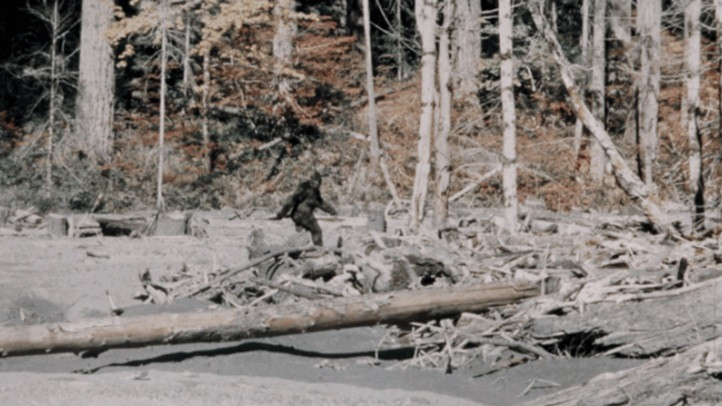
Willow Creek, California, the self-styled Bigfoot Capital of the World, where a 1958 footprint and a 1967 film built a whole town brand.
Remer, Minnesota, population 391, branded itself the Home of Bigfoot and built a 25-foot sasquatch and a festival drawing thousands to a town of a few hundred.
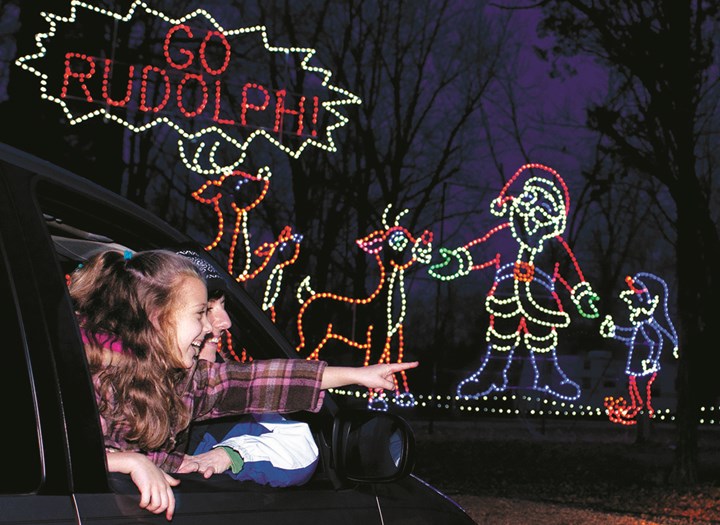
Santa Claus, Indiana renamed itself in 1856, and the gift has paid off ever since: a Santa post office, America’s first theme park, and a brand that draws investors.
Munich turned the 1810 royal wedding of Crown Prince Ludwig and Princess Therese into Oktoberfest, a billion-euro brand drawing nearly 7 million visitors.
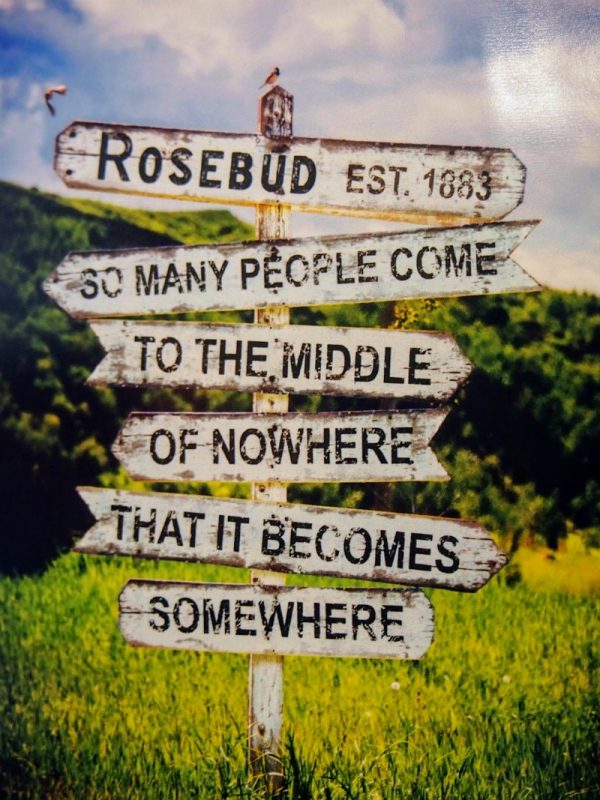
Rosebud, Alberta is a hamlet of 88 whose theatre pulls 40,000 visitors a year, an estimated 4 million dollars into a town with no gas station.
Copper Harbor, Michigan, a Lake Superior town of barely 100 year-round residents, draws tens of thousands of mountain bikers a year to its IMBA Silver-level trails.
Steubenville, Ohio traded steel for spectacle, building the world’s largest nutcracker village and 25 downtown murals to lure 40,000 holiday visitors yearly.
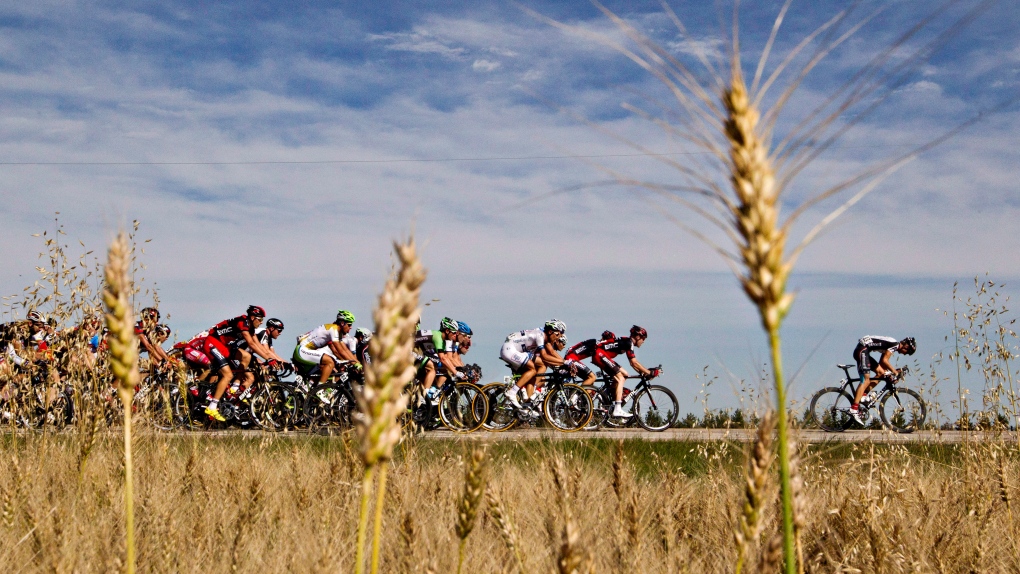
Devon, Alberta turned Leduc oil money into Biketown, a 6,545-person town near Edmonton with paved trails and a youth-won bike park. Big brand, modest payoff.
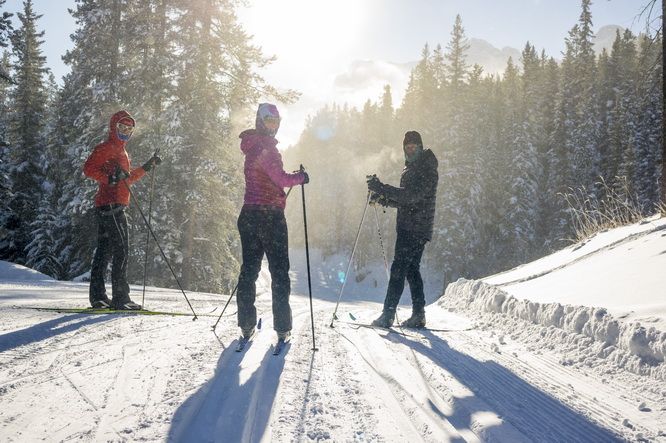
Canmore, Alberta turned a dead coal mine into the Rocky Mountains’ Nordic and mountain-biking capital, anchored by a 1988 Olympic legacy and a booming tourism economy.
Emporia, Kansas turned its dirt roads into Unbound Gravel, the world’s premier gravel race, and rebranded itself Gravel City, USA.