How Santa Claus earned the score
Population 2,481 (US Census 2020).
Situation The town wanted to be named Santa Fe, found it was taken, and chose Santa Claus instead. Mail addressed to Santa Claus soon began piling up in the town, sparking its creative development.
Action They themed the entire town around Santa Claus, from a candy castle and a 22 foot concrete statue to the first Christmas theme park.
Result Major investors like Marcus Lemonis are investing in the town’s businesses because the branding is so strong, and the theme park alone draws over a million people a year.
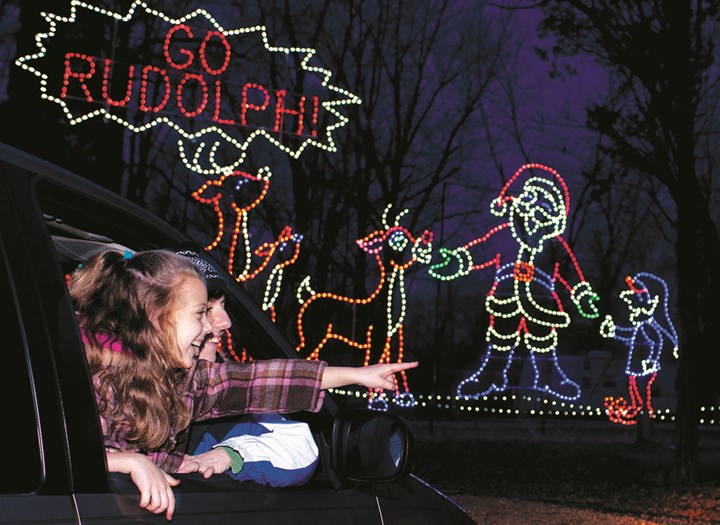
Let’s Meet Santa Claus, Indiana
Santa Claus, Indiana was brought to my attention by the TV show, The Profit. Marcus Lemonis, the TV show’s billionaire entrepreneur, was interested in the toy business located in Santa Claus, Indiana. A little background: Marcus Lemonis is a self made billionaire who turns around second generation businesses to be successful and sustainable. He saw an opportunity in Santa Claus, Indiana just like the original owners. Unlike most businesses on the show, this toy business was making a profit. A second smaller testament to the power of a niche city. The local lodging and theme park is Christmas themed as well, all signs point to a profitable niche city.

How They Became a Creative Town
In 1856 the town originally contacted the US Postal Service wanting to be named Santa Fe. The US Postal Service replied that Santa Fe was already taken and they would need to find another name. The town deliberated. Most of what happened here is a myth but what we do know is that by the end of deliberation with the US Postal Service, the place had been named Santa Claus, Indiana.
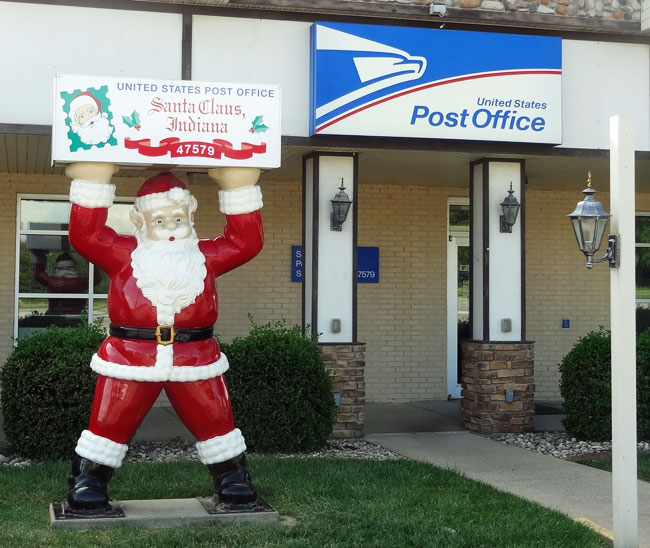
About 1928 the Postmaster General takes notice of this Christmas-themed niche city. People from around the country started sending mail addressed to Santa Claus and it all starts piling up in Santa Claus, Indiana. That’s when the town hits national or at least regional recognition for being Christmas-themed. From there the entrepreneurial opportunities blossomed.
How Does Santa Claus Prosper?
Milt Harris was the first to capitalize on the name of the town after Ripley’s Believe It or Not featured it in an article. Milt Harris created Santa’s Candy Castle, the first tourist attraction in Santa Claus, Indiana in 1935. The success of its launch led to an expansion a year later of the “Toy Village” with a half-dozen miniature fairytale buildings each sponsored to look like a different toy manufacturer. Santa’s Workshop was also added where someone playing Santa would hand craft wood toys. Milt Harris really ran with it and created a name for himself.
The town’s name alone allowed it to become a viable brand to toy manufacturers. A more recent example of a town with corporate sponsorships is Devon, Alberta because of their city’s bike theme. Many businesses would send out their mail order catalogues through Santa Claus, Indiana for the name. Toys were stamped with the Santa Claus seal of approval and marked with the town’s famous address.
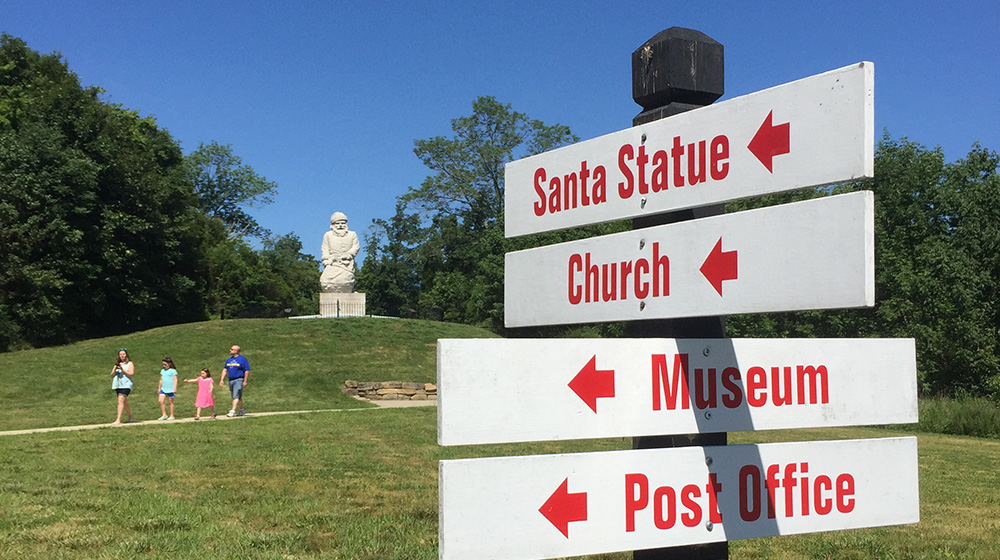
Milt’s rival, Carl Barrett, created Santa Claus Park in 1935 with a 22 foot concrete statue of Santa Claus which is there to this day. This led to a theme of Santa Clauses through town.
Santa Claus, Indiana was also home to the first theme park, opened by Louis Koch, an Evansville entrepreneur, which was of course called, yes, “Santa Claus Land”. It has been renamed since but this theme park alone brings in over a million people a year.
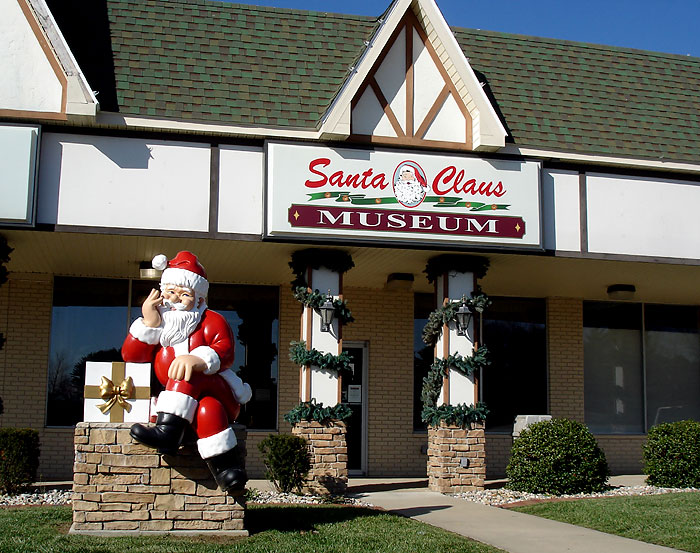
There are many other side attractions that spring up like Santa Claus’s Christmas store, museum, stables, and of course the toy store featured on Marcus Lemonis’s “The Profit,” Santa’s Toys.
The theme park and the other Christmas-themed shops and other efforts then lead to more customers for the more ancillary businesses like gas stations, restaurants and hotels. There is a reason a world class entrepreneur like Marcus Lemonis invests in a small toy store. The town is nice. It attracts specific clientele. There are numerous ways to capitalize on it. I will leave you with a quote from Marcus, “The best way to get someone to buy something is to make them fall in love with it.” If you want people to move to your city, if you want people to visit your city, you need to get people to fall in love.