How Oakridge earned the score
Population 3,260 (US Census 2020)
Situation The natural resources the town was founded on were cut off as a source of revenue, and the timber industry that made up 50 percent of Oregon’s economy 20 years ago fell to around 12 percent.
Action The town leaned into being creative and entrepreneurial, building an identity around mountain biking with over 350 miles of trails and adding events like the Oakridge Ukulele Festival.
Result The latest study estimates mountain biker revenue increases of $2.3 to $4.9 million, roughly 5 percent of the town’s revenues, with 4 to 5 times as many tourists coming through as there are residents.
Let’s Meet Oakridge, Oregon
Oakridge, Oregon, is not unlike other towns written about on this website. They overcame economic disaster caused by a reduction in natural resource harvesting by being creative and entrepreneurial like many cities in this blog. The natural resources the town was founded on were cut off as a source of revenue, the town started on a sharp decline, so they developed a creative city niche. Today 4 to 5 times the number of tourists come through the town as there are residents.

History
Oakridge has been called by many names as it went through transformations. When it was first founded in 1888 and named “Hazeldell,” then “Big Prairie,” and finally, in 1912, they found their way to “Oakridge.” [ Wikipedia ]
Oakridge originated with milling and shipping of smaller, nearby lumber towns like Westfir. The Southern Pacific Railroad allowed the city and economy to develop. With the sawmills and railroad industry, Oakridge’s population continued to rise in the ’60s and ’70s, but by the ’90s, they were in hard times. Why? The wood products industry has dwindled to 50% of what it was in Oakridge, from social pressure to save old-growth forests to competition and even alternative building solutions. The timber industry in all of Oregon made up 50% of their economy 20 years ago and today weighs in at around 12%. [ Oregon Business ] When things become economically not feasible to do, people stop doing them, so the mills stopped humming, and the trains stopped coming.
Creating an Entrepreneurial Opportunity
Mountain Biking
The 90s were rough, so they decided to change things. Mountain biking is an economic stimulator. It stimulates the retail, service, and even manufacturing industry related to bicycling, hiking, and all other outdoor activities. Many of these towns overlook recreation in declining situations because they seem extemporaneous, but Oakridge did not. It took time for residents to be made aware of the positive influence on their community.
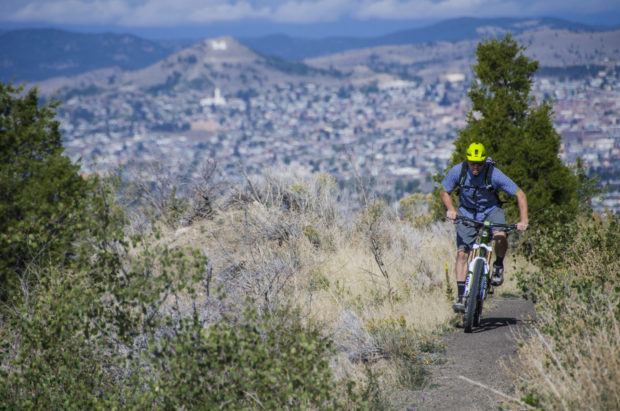
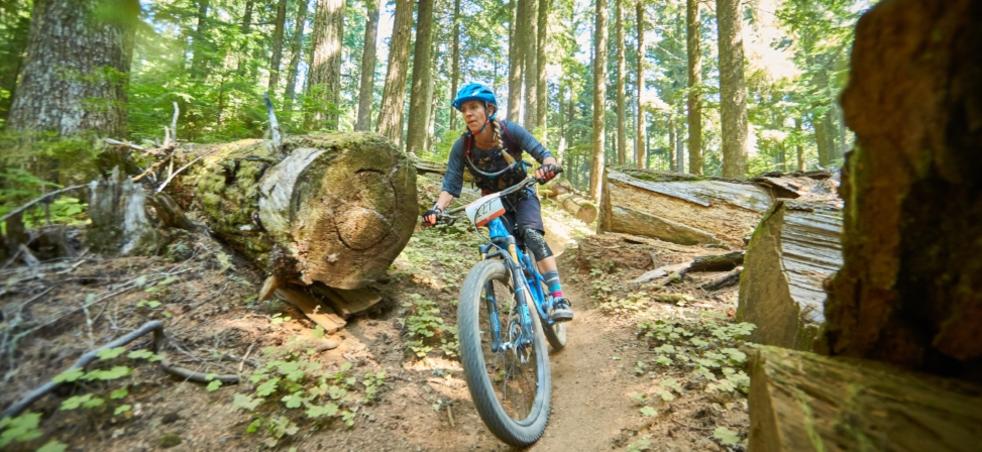
Oakridge has over 350+ miles of mountain bike paths of all varying difficulties and scenery types. More track is added every year as well. This amount of mountain biking path puts it right up towards Bentonville in terms of miles of biking track!
The latest study on the economic impact of mountain bikers on Oakridge estimates revenue increases of $2.3 to $4.9 million. Up to 11,000 to 16,000 bikers visit the town staying for an average of 3 nights. Day trip expenditures range from $20 to $44 per person, and overnight trip expenditures range from $48 to $63 per person. [ Study ] Often coming in groups of 3 and sharing rooms. For a town for 3,000 or so people, this is a good bit of revenue for the town making up 5% of the town’s revenues.
The Oakridge Ukulele Festival
Oakridge Ukulele Festival is another entrepreneurial opportunity that has bloomed off of mountain biking. Lynda Kamerrer, who owned the Oakridge Hostel (now Lodge), started the festival to attract visitors and, of course, overnight stays for them.
According to Kamerrer, the festival was a “lightbulb that just needed to have the switch flipped on.” The first year was small, but every year, it seemed to tap into the underlying ukulele community.
As part of tapping into the underlying community, Lynda started an informal community ukulele jam every few weeks on a Monday night. After this heavy tapping of the community, the second festival took off.
Admission to the 2012 Festival was $85 per person for the whole weekend. Registration included all instruction, facilitated jam sessions, lunch, evening performances, sheet music, and handouts in classes. They were able to come up with the money to do this with Lane County Tourism Special Projects Grants program, which granted them $5,000 in event marketing and advertising.

Results, the Community’s Reaction
There are two well-articulated lessons learned from traveloregon.com.
“The atmosphere in which the change is to be made is as important as the change itself…. failure to come to grips with the real “locational” issues can doom even the most dedicated economic development practitioner” (Blakely and Leigh, 2010). The community needs to band together to overcome a financial challenge. These quotes are from a report on a survey of the community. [ Study ]
Some residents believe “Any contribution towards the mountain bike economy represents a displacement of the logging economy.” over the last five years of success. However, Oakridge’s sentiment has transitioned more to “there used to be quite a big divide in town, with the two sides, and I think that’s kind of gone away… .there’s not so much arguing anymore.”
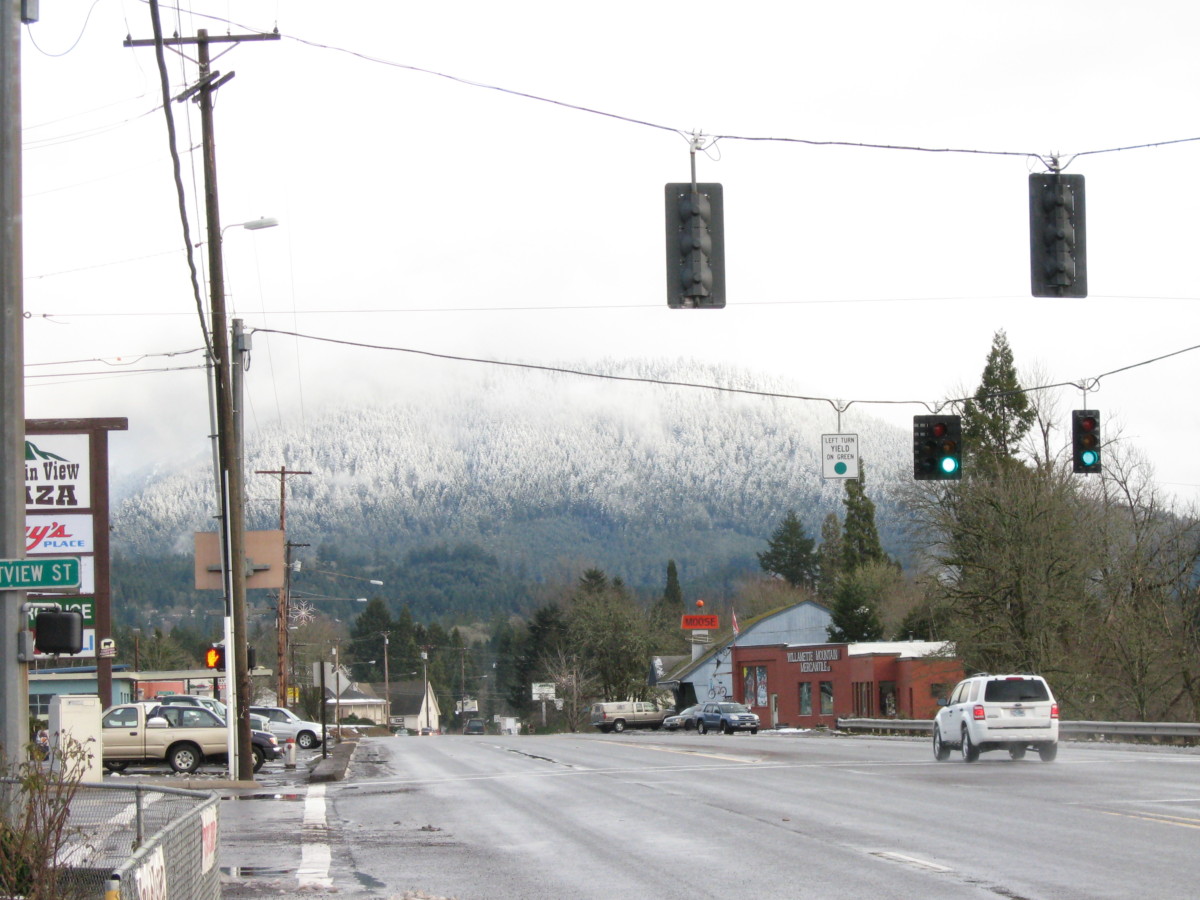
Many of the town residents enjoy the newfound success with the mountain biking community, but even still, these small towns want to stay small. Oakridge does not want to be the Emporia or Bend with millions of tourists a year. Many of the residents moved here for outdoor recreation and didn’t want to see their homes ruined.
Overall the sentiment of the people seems to be positive toward mountain biking. The last three stores to open in town were for the mountain biking community. With all the emphasis placed on mountain biking, some local businesses feel excluded.

Why Other Towns Should Follow Oakridge’s Lead
Oakridge overcame economic disaster by being creative and entrepreneurial, stewarding a single mountain biking identity across decades until it made up roughly 5% of the town’s revenues. For a town of 3,000 or so people, this is a good bit of revenue, and it shows how recreation that once looked extemporaneous can carry a community that has lost its founding industry.