How Alexandria earned the score
Population 14,082 (US Census 2020)
Situation Alexandria, MN, a city with a unique Scandinavian heritage, faced economic hardships and was in dire need of rejuvenation.
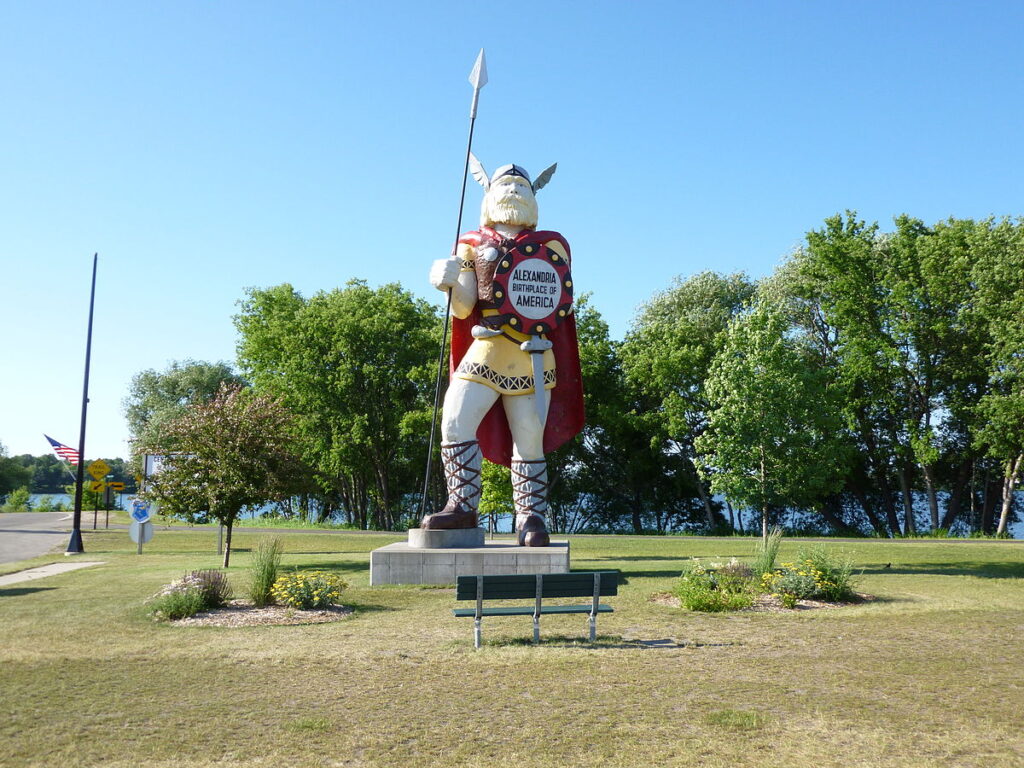
Action Leaders leveraged the city’s Viking, Norwegian and Scandinavian heritage, building the Big Ole Viking statue and reviving the Runestone Museum to attract tourists and lift the local economy.
Result Increased tourism, an improved local economy, and a better quality of life for residents, making Alexandria both a fascinating destination and a great place to live.
Let’s Meet Alexandria, MN
History
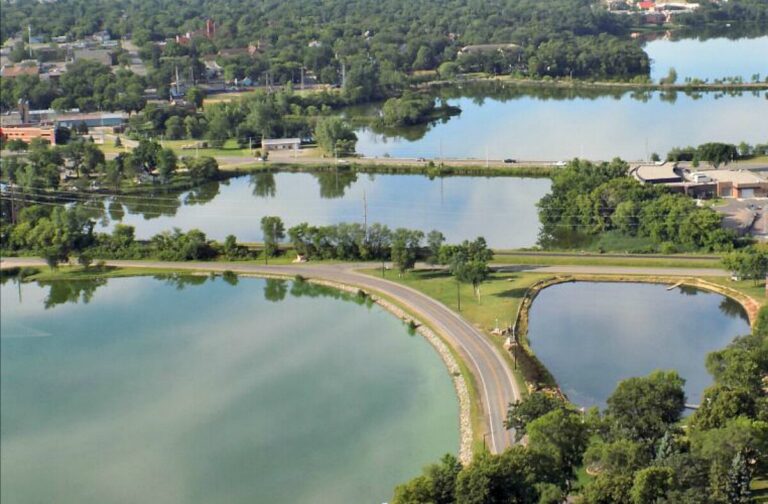
Alexandria, a charming city in Minnesota with a population of 14,382, has overcome its share of challenges. Its history is one of struggle and resilience, unlike many other tourist towns in the state. The region faced economic hardships and societal upheaval, mainly due to volatile commodity markets and a changing demographic landscape. These struggles led to a decline in economic opportunities, prompting local leaders to explore innovative ways to rejuvenate the city and boost tourism.
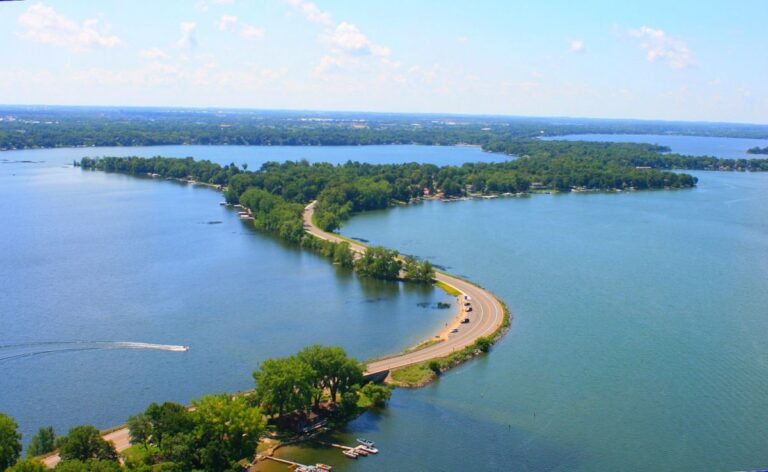
Creative City Developments: Leaders at the Helm
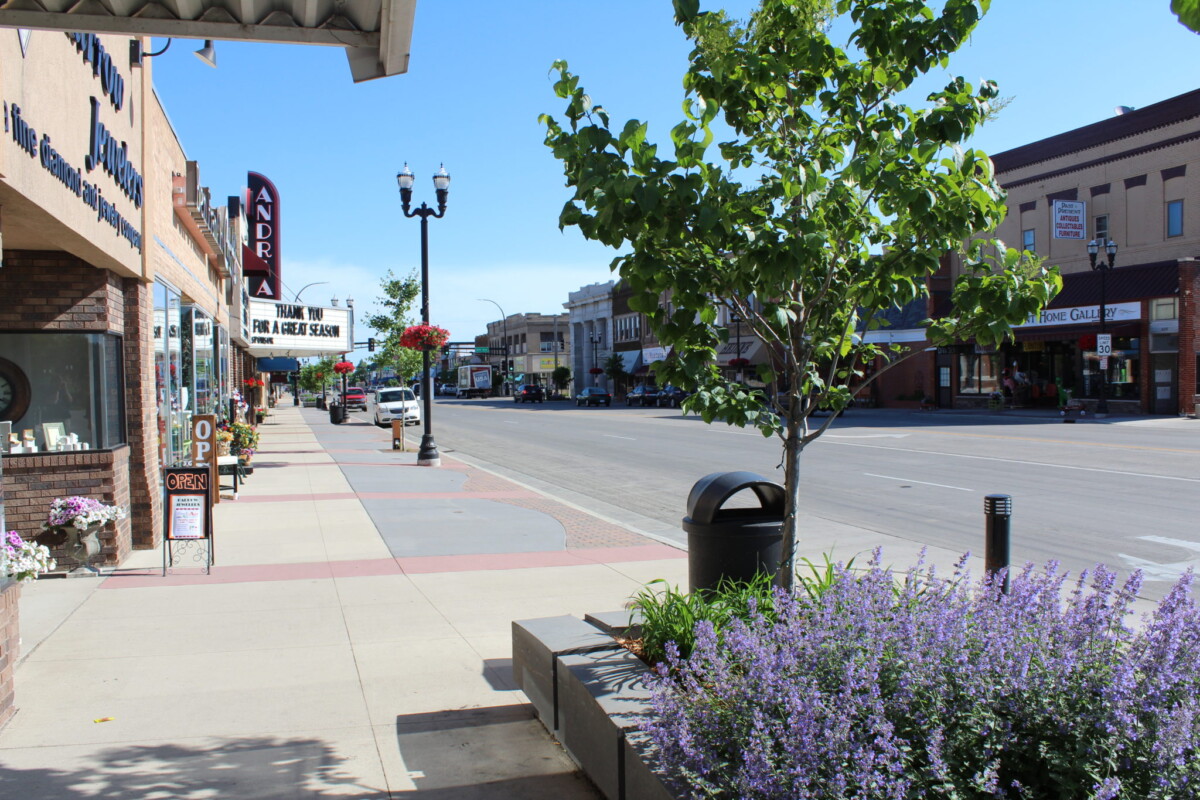
Alexandria was fortunate to have dynamic leaders who envisioned a thriving and culturally rich city. Recognizing the need for transformation, these individuals spearheaded creative city developments that set Alexandria apart from other locations.
The local government and community leaders, including the mayor and the Alexandria City Council, pursued initiatives that embraced the city’s Scandinavian heritage. They recognized the potential of this unique cultural element to attract tourists and differentiate Alexandria from other destinations.
Crafting a Unique Tourist Attraction: Big Ole
A significant action taken was the construction of Big Ole, a giant Viking statue that stands as a testament to the city’s Norwegian roots. According to an original Creative City Development survey, an astonishing 73% of people who visit Big Ole are visitors to the city. This not only validates the statue as a significant tourist attraction but also underscores the successful decision to capitalize on the city’s unique heritage.
Moreover, the same survey reveals that 35% of statue visitors plan to participate in 2 to 4 other activities in town. This encourages local business and strengthens the community. It’s worth noting that Google Business Page Directions to Big Ole account for 9.3% of visitors who asked for directions, further emphasizing the statue’s pull as a tourist magnet.
Furthermore, Big Ole generates over $3.5 million in assisted revenue for other tourist attractions in the city, showcasing the statue’s role in propelling local economic growth.
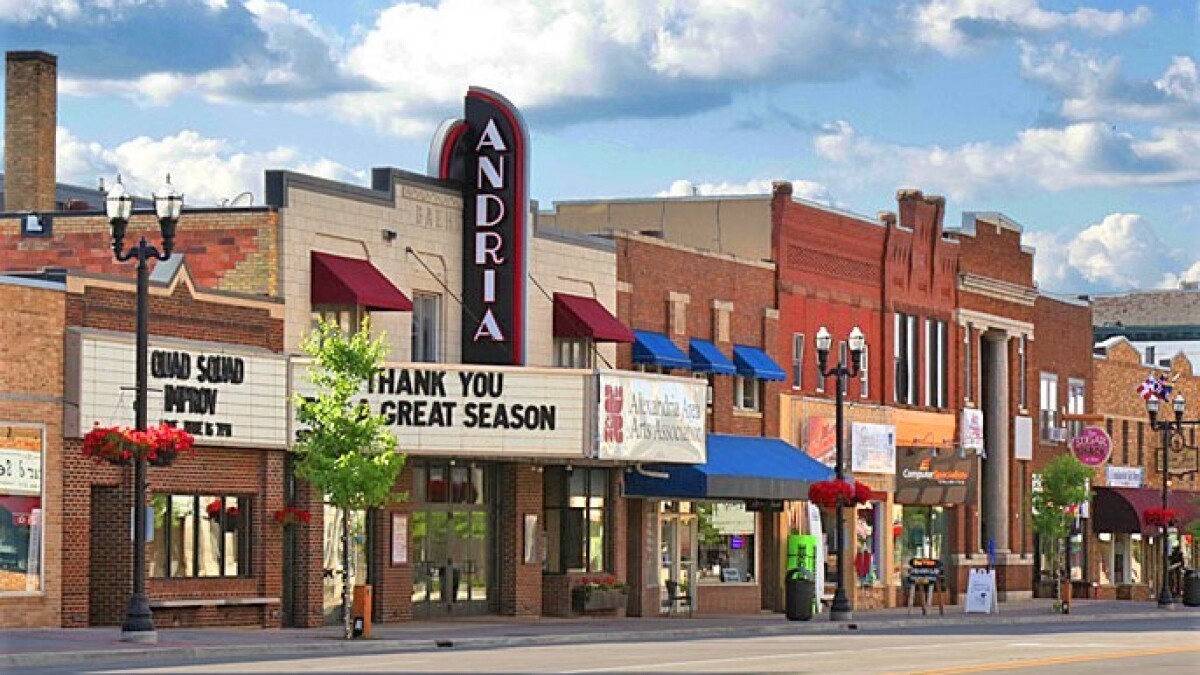
Creating an Inviting Place to Live
Alexandria’s journey to becoming a vibrant tourist town has also made it a more attractive place to live. The local leaders’ initiative to revitalize the city through tourism has led to improvements in infrastructure, amenities, and quality of life. As more tourists explore the city, businesses thrive, providing a boost to the local economy and creating job opportunities.
In addition, the efforts to preserve and promote the city’s Viking, Norwegian and Scandinavian heritage have fostered a strong sense of community and pride among residents. It’s a place where past and present coexist, and the result is a dynamic city that both residents and visitors find irresistible.
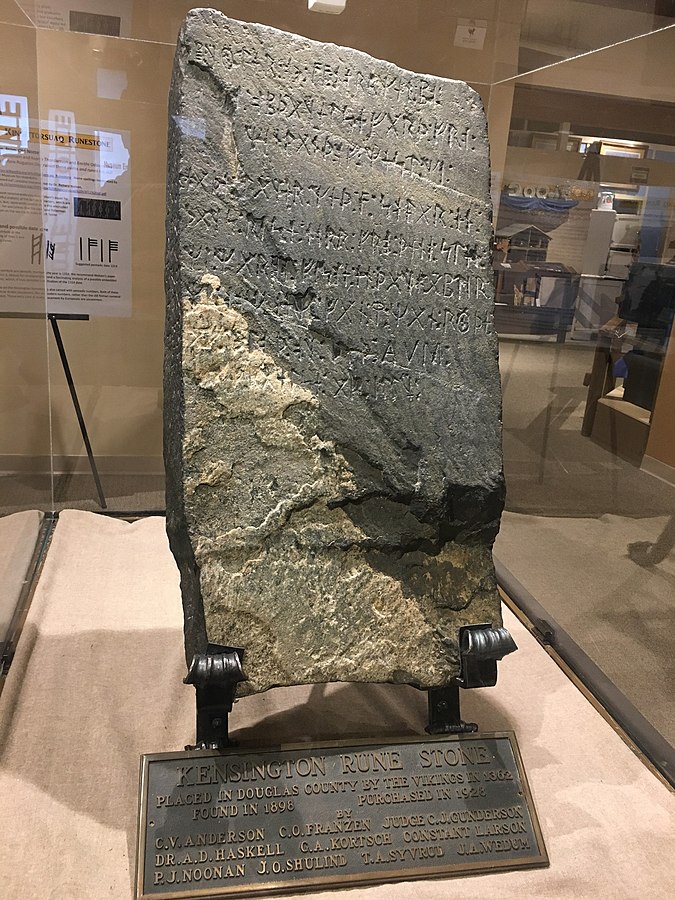
The Runestone Museum: Another Feather in the Cap
The creative development of Alexandria doesn’t stop at Big Ole. The city’s Runestone Museum, on the brink of closing just a few years ago, has seen a significant revival, with over 25,000 visitors annually, according to a report by Echo Press. This museum, dedicated to the city’s Nordic heritage, further solidifies Alexandria’s reputation as a unique Scandinavian haven.
Conclusion: Results of the Transformation
The actions taken by the leaders of Alexandria, MN, have successfully transformed the city into a unique tourist destination. The investment in embracing the city’s Scandinavian heritage and developing attractions around it has paid dividends, making the city not only a fascinating place to visit but also a great place to live. Big Ole and the Runestone Museum are perfect examples of how unique, culture-focused attractions can bring in revenue and create an enduring tourist industry.
For more fascinating insights on Alexandria’s transformation and the creative city developments that made it possible, sign up for our newsletter and check out our book “Creative City Developments”. Discover how a city utilized its unique heritage to create a thriving tourist town that stands out among Minnesota’s 10,000 lakes.
Update, July 2026: what Big Ole’s Google listing shows
We manage Big Ole’s Google Business Profile, and the February through early July 2026 numbers tell a useful story: 18,374 profile views, 7,989 searches surfaced the listing, 1,428 interactions, 1,185 direction requests, and 243 website clicks.
Here is the instructive part. Big Ole gets nearly the same visibility as the Thomas Dambo troll listing we manage in Detroit Lakes (18,374 views versus 21,028), but the troll converts that attention into action at roughly eight times the rate: 11,592 interactions versus 1,428, and 6,437 direction requests versus 1,185. Big Ole’s searches are also overwhelmingly generic (things to do in alexandria mn, attractions), while the troll generates thousands of searches for itself by name.
The lesson for Alexandria is not that Big Ole underperforms. It is that a beloved landmark people photograph in passing behaves differently from an experience people plan a day around. Big Ole is the icon; the opportunity is wrapping an experience around him, the way Detroit Lakes wrapped a troll hunt around six sculptures. Same discovery, very different pull.
Data source: the attractions’ Google Business Profile performance dashboards, February 1 to July 8, 2026.