Towns  /  Rosebud, AB  /  Case Study
Case study / AB

Rosebud, AB. Population 112 (StatsCan Census 2021, Rosebud Designated Place) / Case study / Online-tier 2026-05-31

Population: 88

74.6
C
/ 100
composite
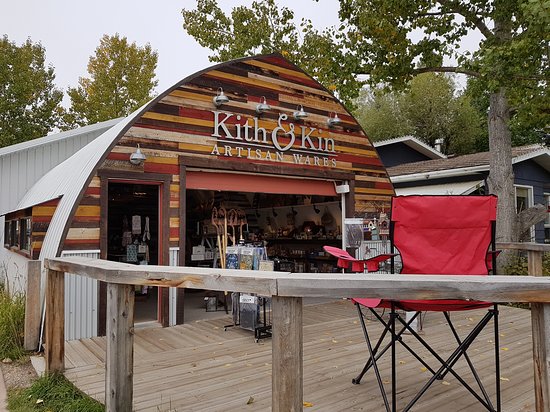
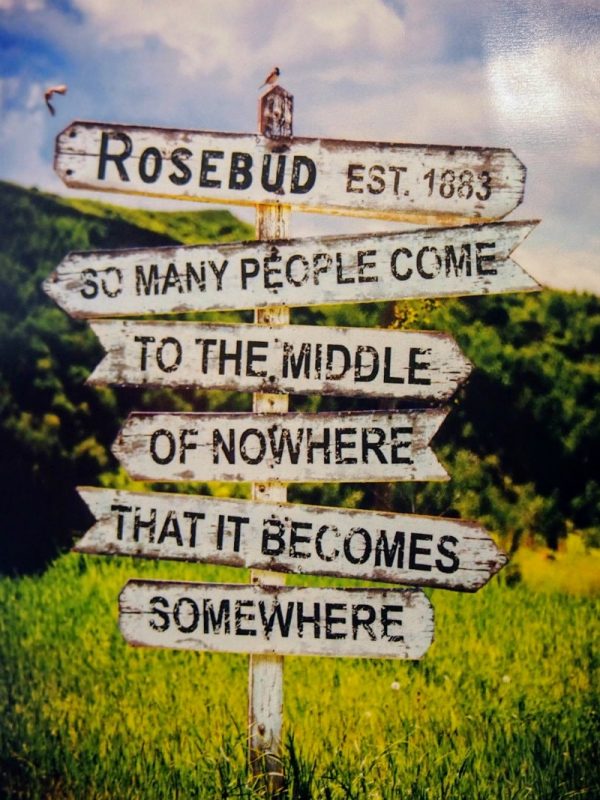
Three editorial frames for Rosebud, AB. Photos from the Creative City Developments case study archive.
/01 / The story

How Rosebud earned the score.

CASE STUDY / Updated 2026-05-31
FIG. R-1
Rosebud, AB, Canada tourism photo featured in a Creative City Developments case study: Rosebud Alberta theatre venue
Rosebud field photo, archive image

Population 112 (StatsCan Census 2021, Rosebud Designated Place)

Situation Town narrative migrated; situation pending.

Action Action pending.

Result Result pending.
Rosebud, AB, Canada tourism photo featured in a Creative City Developments case study: Rosebud Alberta theatre venue

Let’s Meet Rosebud, Alberta

History

The hamlet of Rosebud was founded by James Wishart in 1885. Reportedly, he and his family were following the Gleichen Trail headed towards Montana. When they came across the valley filled with roses, they decided “Here’s the promised land, we go no further.”
Rosebud, AB, Canada tourism photo featured in a Creative City Developments case study: Rosebud Alberta theatre venue

Situation

Rosebud, AB, Canada tourism photo featured in a Creative City Developments case study: theatre
theatre

Mining and agriculture were the staple industries for the first 80-90 years. Throughout the town’s history, there had always been artists and travelers who came to take in the natural beauty. Hard times came in the 1970s when the school of Rosebud was shut down and kids were bused to a neighboring town.

The town, mainly supported by outskirt farmers who still worked the field, helped keep a community of just under a dozen people alive.
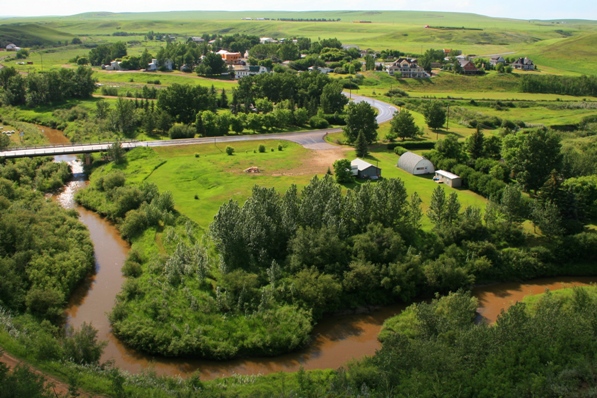
Rosebud, AB, Canada tourism photo featured in a Creative City Developments case study: sarah hudson town view

Action

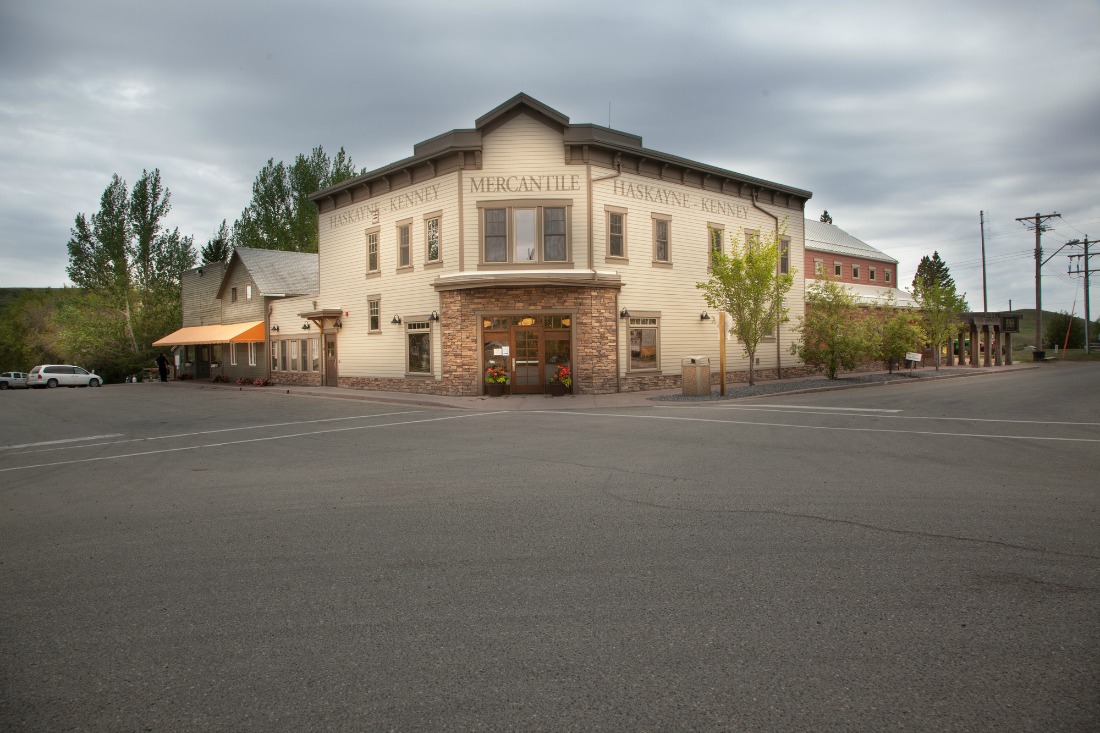
In 1973, a group of young adults started a summer camp of 40. Housed in an old shop along main street, the group came to be known as “Rosebud Camp of the Arts.” The camp received support from local groups and government agencies. This would become Rosebud’s creative city development.

By 1977, Rosebud was able to bring back the school into their community. Using various abandoned shops in the old downtown as classrooms, they opened the Rosebud high school. The school emphasized the arts in all its forms: music, performing arts, visual art, and practical skills like welding that could be used to make art. By the 1980s the school was shifting its focus into post-secondary education, becoming more like a college. Later the school opened the Rosebud Theatre.

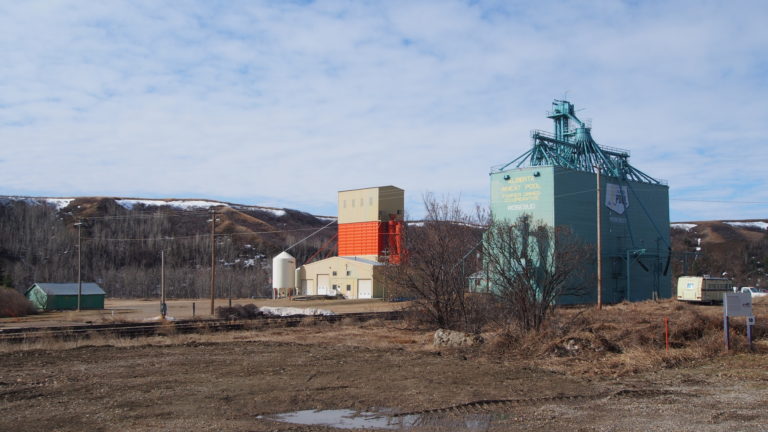
The theatre was not planned. People were simply living behind their town’s identity, and in the natural progression of that commitment, the theatre came about. It now seats 232 in a converted grain elevator Opera House that operates year-round.
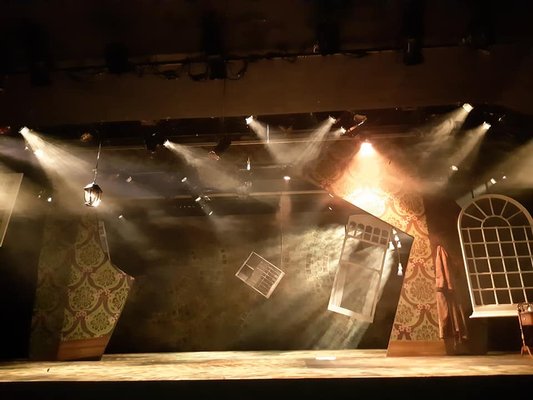
Rosebud, AB, Canada tourism photo featured in a Creative City Developments case study: tourism scene

Result

Today the art community of Rosebud attracts 35,000 to 40,000 guests per year. They come to see any of the five award-winning productions held at the Rosebud Theatre, the art galleries, or one of the local B&Bs to let the surrounding badlands valley sink in. There is even a recording studio in Rosebud that, fingers crossed, will one day bring a musician to celebrity status.

Using their creative city development, Rosebud built their town around the arts and theatre, drawing in 40,000 visitors a year. The back-of-envelope math holds: if each visitor spends $100 on non-room-and-board items, that is roughly $4 million in town revenue. For a hamlet of 88 people, that works out to about $45,500 per resident. No number to dismiss lightly.
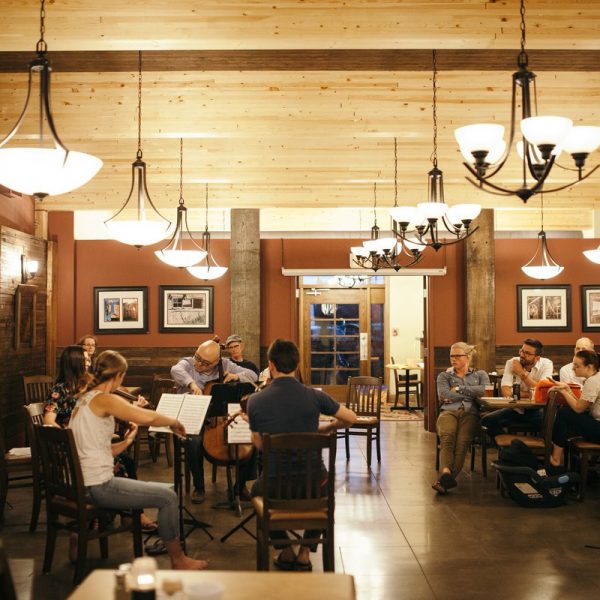
Rosebud, AB, Canada tourism photo featured in a Creative City Developments case study: ahjim vqaaq ujq

Summary

What can we learn from Rosebud’s creative city development?

  • Let people be creative. Starting a summer camp in an old mercantile might not be everyone’s instinct for economic development, but for the people involved it was a unique and grounding experience.
  • Don’t give up hope. The town of Rosebud is tiny but very profitable. It is positioned as a future Leavenworth, Washington in terms of visitor-to-resident ratio, and at one point it was down to under 12 people living in Rosebud.
  • Use what you have. The school was opened using abandoned downtown space. It is a little out of the ordinary, but it gives people something to talk about. And 40,000 people a year to a hamlet of 88 is, in fact, something to talk about.
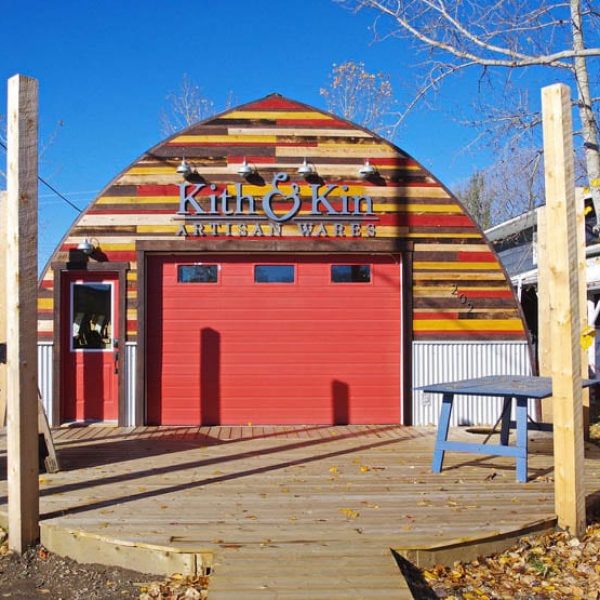
Rosebud, AB, Canada tourism photo featured in a Creative City Developments case study: tourism scene
/02 / Composite

The headline number, in detail.

FRAMEWORK: VIS v1.0
FIG. R-2
74.6
C
/ 100
composite
Three-year delta
+1.8
since 2023 baseline (illustrative)
Framework
VIS v1.0
Online-tier score. D and C components pending physical field visit. Composite will shift when those are filled.
/03 / Eight categories

The VIS card at a glance.

FRAMEWORK: VIS v1.0
U = MULTIPLIER
FIG. R-3A
U
UNIQUE
1.17x
multiplier
W
WEB
D+
69.1
B
BRAND
B+
88.0
A
ANCHOR
D+
65.7
D
DOWNTOWN
n/a
audit-tier
C
CURB
n/a
audit-tier
S
STAY
C
74.1
R
RETURN
C
76.1
/04 / Sub-criteria

Click a bar to open the sub-criteria behind it.

FRAMEWORK: VIS v1.0
SUB-CRITERIA: 4-6 PER CAT
FIG. R-3B

Bars are scored 0 to 100. Green at or above the corpus 75th percentile; coral at or below the 25th. The U row is the Unique Hook multiplier read as a coefficient; gold marks its band. Grey n/a bars are audit-tier categories with no field visit yet.

Category sub-criteria

Click a bar above
/05 / Composite trend

Three scoring cycles.

SAMPLED ANNUALLY
BASELINE: 2023-Q4
FIG. R-4
composite score
baseline 2023 = 72.8
current 2025 = 74.6
trend is illustrative / hover dots for detail
/06 / Peer comparison

Closest towns by composite score.

METHOD: NEAREST NEIGHBORS
FIG. R-5
/07 / Methodology notes

How this score was derived.

FIELDWORK: ONLINE-TIER
FIG. R-6

Research conducted at online tier on 2026-05-31. All D (Downtown) and C (Curb Appeal) fields are null – no audited evidence available; those two components are excluded from composite calculation. A-component audited fields (a_signature, a_unique, a_identity, a_culture) are null; only a_bookable and a_photo are filled. S-component s_services is null (audited). R-component r_photoops and r_merch are null (audited). Composite is computed across 5 of 7 components (W, B, A, S, R) weighted equally; D and C are skipped. w_safety is null – crimegrade.org is US-only. Population of 88 means…

Read the method. The VIS framework scores eight categories – one multiplier (Unique Hook) and seven components (Web, Brand, Anchor, Downtown, Curb, Stay, Return). Online-tier scores are derived from desk research; audit-tier categories require a physical visit and remain n/a until a field trip is logged.