How Canmore earned the score
Population 15,990 (StatsCan Census 2021).
Situation The mine was closing. After more than 100 years of coal, the 1979 shutdown left the town in decline, down toward about 2,000 residents at its low point.
Action Build up their cross country skiing and mountain biking communities, adapting Olympic era ski trails into a new mountain bike economy.
Result Canmore is profitable year round and has unique opportunities to grow, with 38 shops backing a healthy living, mountain sports, and wellness theme.
Let’s Meet Canmore, Alberta
Canmore is a Destination Leader that did something few resource towns manage. It found a second life. This is the story of how a coal town that watched its neighbors turn into ghost towns rebuilt itself around outdoor mountain sport, and why it is now profitable year round with room to keep growing.
History
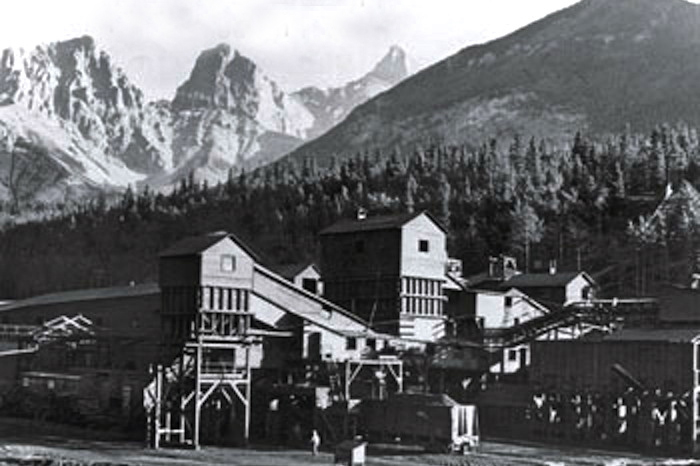
Canmore started in the late 1800’s founded on coal mining. Even as the other nearby coal town fell one by one into ghost towns, Canmore lasted. Until 1979 the Canmore mine lasted because of their very high quality coal. This is very dangerous, just like Cuyuna or Leavenworth, as time progresses and the resources are removed for profit, the town takes one more step to their towns death. In 1979, the mine was the first to call it quits and close it’s doors.
Situation
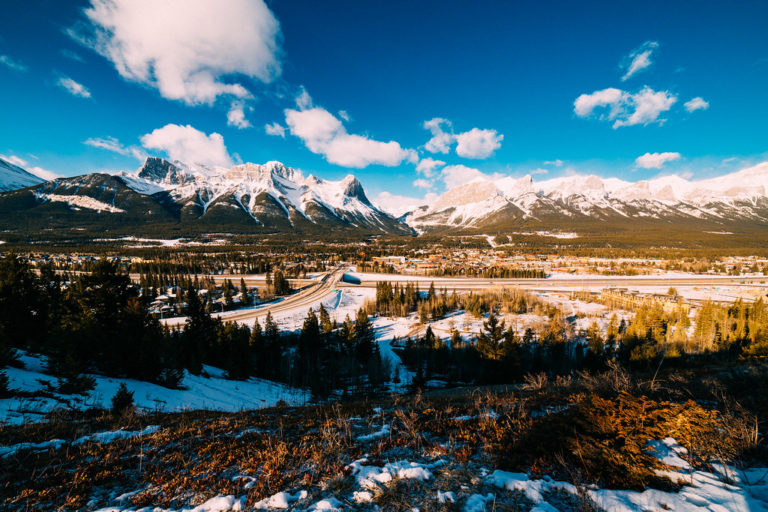
The situation was grim, after over 100 years lasting coal, the mine was gone. In 1965, before the mine closed, the town was down to about 2,000 residents. The town was on a decline until a break in 1988 with the winter olympics being hosted in nearby Calgary, which included cross country skiing in Canmore. The Canmore Nordic Centre was built.
For the people of Canmore, this was like shaking a lighter in hopes of getting one more light out of a lighter while stranded out in the wilderness. It was do or die for the town.
The Canmore Mines LTD. helped build the Canmore Nordic Centre alongside Olympic funding. During the olympics, times were good but those came and went. After the olympics, they knew they had been given a blessing. Canmore continued to host many cross country skiing races both nationally and internationally. From there they would host the Canadian Olympic Cross Country Ski Team. They had, well, for half a year, a great economy. Canmore is considered a place of international importance in many cross country skier’s minds. The question was, how can we capitalize on our natural beauty and winter facilities in the summer?
Action
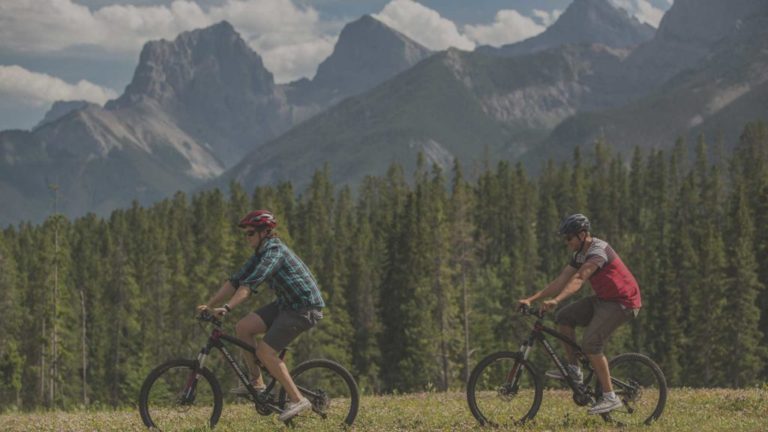
It was simple, mountain biking. Many of these early trails were simply the cross country skiing trails adapted for cross country bikers. New economy, out of nowhere. Bike races were scheduled through the 90’s including 24-hour formats. Canmore hosts one of the last remaining 24 Hours of Adrenaline races in the summer.
What Canmore has done extremely well is living behind their brand of outdoor sports. Living through that lens has allowed Canmore to boom. Outdoor mountain sports means a lot. It means healthy, it means clean, it means beautiful. Healthy was a big one.
Canmore has trails that criss-cross the city for biking, skiing, and walking all in natural scenery. This has been enough to attract more doctors to their city per capita than other places in Alberta. Developing behind this theme has helped them grow significantly.
Result
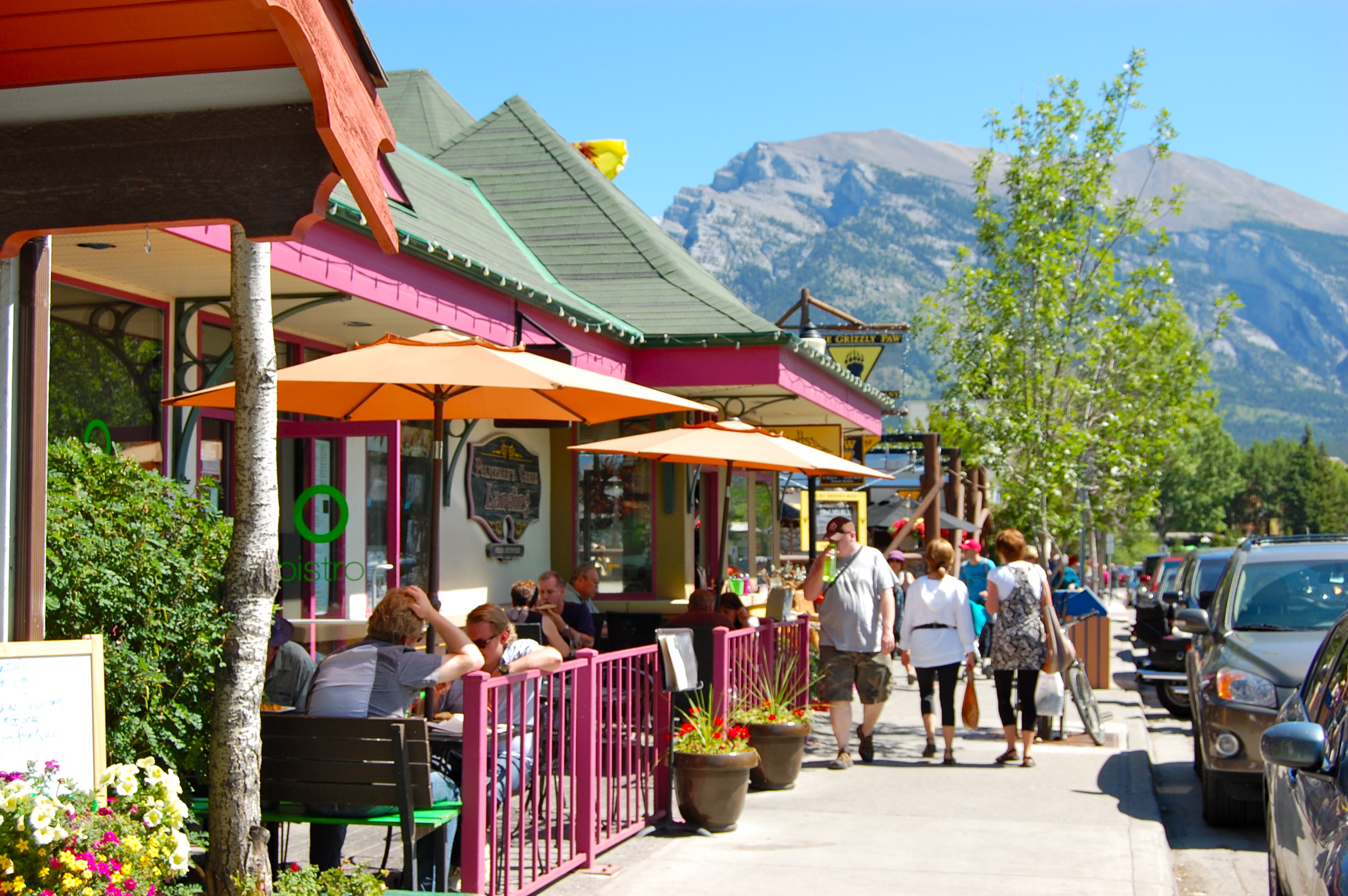
The community and tourist help support 38 shops that support a healthy living, mountain sports, or wellness theme. This is for a town of 17,000 people. To live behind the brand, businesses do things like add bike racks in front of their shops or have tools for bikes at hand.
Of course, there are many businesses that support biking or cross country skiing directly like retail and repair shops.
Other communities like Bentonville, Cuyuna, or Emporia employ similar strategies to attract residents and tourists to support the community.
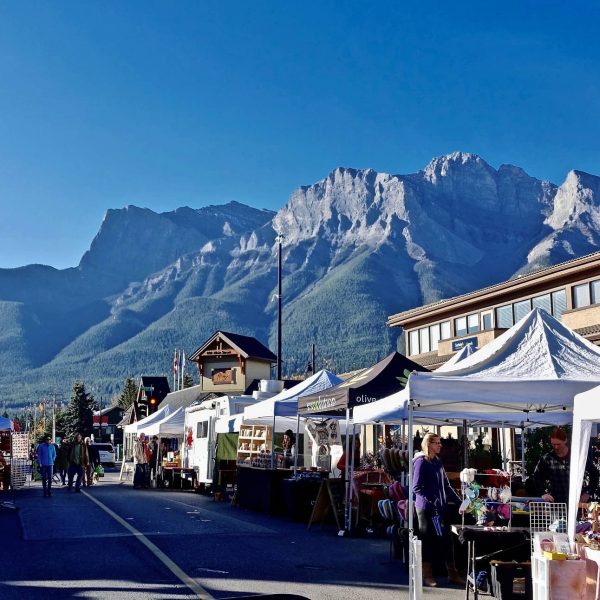
Why other towns should follow Canmore’s lead
Canmore’s lesson is that a town facing the death of its only industry can choose a new identity and build a whole economy behind it. By turning Olympic ski infrastructure into year round trails for biking, skiing, and walking, Canmore went from a mine closing in 1979 to a place that is profitable year round with unique opportunities to grow. The town shows that living behind a clear brand of outdoor mountain sport, one that reads as healthy, clean, and beautiful, is enough to draw doctors, businesses, and visitors alike.