How Devon earned the score
Population 6,545 (StatsCan Census 2021).
Situation A planned Imperial Oil company town southwest of Edmonton, built on the Leduc oil strike, that knew its oil wealth was finite and needed to diversify.
Action Paved 30 miles of bike trails for road bikers, named and themed the trails, trail-shaped its logo and signage, trademarked “Spokesperson,” and marketed itself as Biketown.
Result A community of bikers that draws tourists from Edmonton and beyond, with families relocating for the riding and the town prospering.
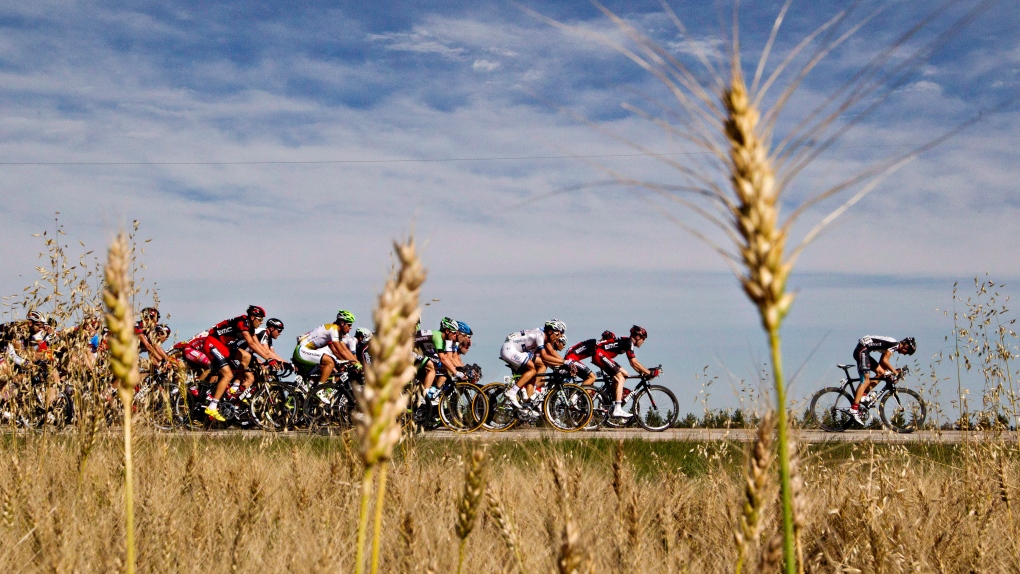
Let’s Meet Devon, Alberta
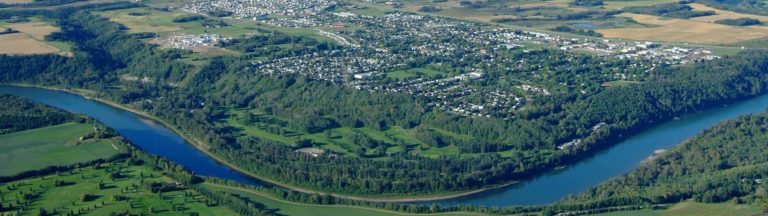
Devon, Alberta is southwest of Edmonton about 16 miles on the north bank of the Saskatchewan River. It owes its origin to one of the largest oil discoveries in the world and was created to function for workers. Luckily, this story doesn’t start with a town staring down destitution but instead an early acknowledgement of its need to diversify in order to continue existing.
The town exists because of the February 1947 oil strike at Leduc No. 1 near present-day Devon, a discovery that ranks among the most important in Canadian history and set off the boom that made the region rich. Devon itself was a planned Imperial Oil company town, purpose-built to house oilfield workers and known for a time as a Model Town. That planned, tidy origin is part of why the place was so easy to reshape later: it had always been a town built on an idea.
Situation
Although Devon was created on a wealth of oil and will likely continue to exist on oil, they realize there is a finite supply. They have diversified and created a lovely town for people to exist in which is now pulling in the tourist from the major nearby city of Edmonton.

Action
They paved 30 miles of bike trails through their city. The Town of Devon wanted nice bike trails for road bikes. Other cities in the area had already been crowned for mountain biking. They paved the trails right up to local museums. Unlike Canmore or Cuyuna, they wanted them to be perfectly paved. They wanted the “$5,000 casual street bike bikers with BMWs” to come from local communities and enjoy their trails.
The town started growing behind their brand. The restaurants over time added bike racks. To advertise breast cancer awareness, they painted old bikes pink and lined them up and down main street. Devon even trademarked “Spokesperson” for their city officials and tour information guides.
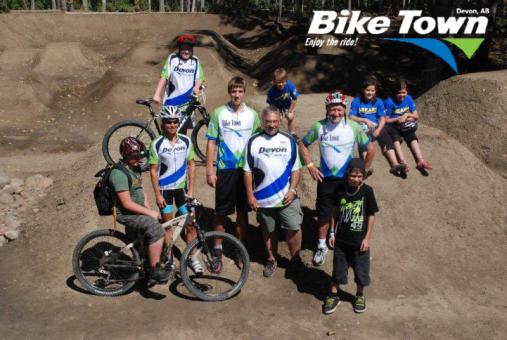
The local youth entered a contest to win their city a bike/BMX dirt park. The contest was held across Canada. Devon, of 6,500 people, out-competed cities like Toronto and Edmonton.
Devon started marketing campaigns selling themselves as the biking town and pretty soon the tourists started to come. Even their logo and signage are all reminiscent of a trail. They named all the trails and made it easy to understand how to get around with themed gear. The locals liked it so much that they even have bike racing gear themed like their logo.
Result
Today, Devon is a community of bikers. They lived behind their brand, their theme, their creative city development and have altered the town to support bikers. This creative city development then inspires the community, builds loyalty, and attracts outside money. It isn’t uncommon to see a kid ride to the local diner, their bike parked out front. It is safe, people are happy, and they have a cool amenity which makes people proud. The kids are growing up in a very ‘free range’ way where the schools are set up to accommodate hundreds of bikes, kids ride from place to place. Because the town is so well branded as a biking place, people are aware and looking out for bikers. The brand is literally helping with things down to safety. They have a great creative city development.
That trademark the city official claimed, “Spokesperson,” Raleigh offered to trade them a Biking Race Stadium (pela-dome) for the trademark.
People even move out of the city to Devon because their kids love biking. The town is prospering.
Summary
It is a relief that Devon realized its need to diversify and didn’t end up like Canmore, Alberta after their mine closed. Devon, Alberta supported a town theme, road biking, and lived behind their brand which has caused a boom in tourism and made Devon an amazing place to live.