What Valle Edén is known for
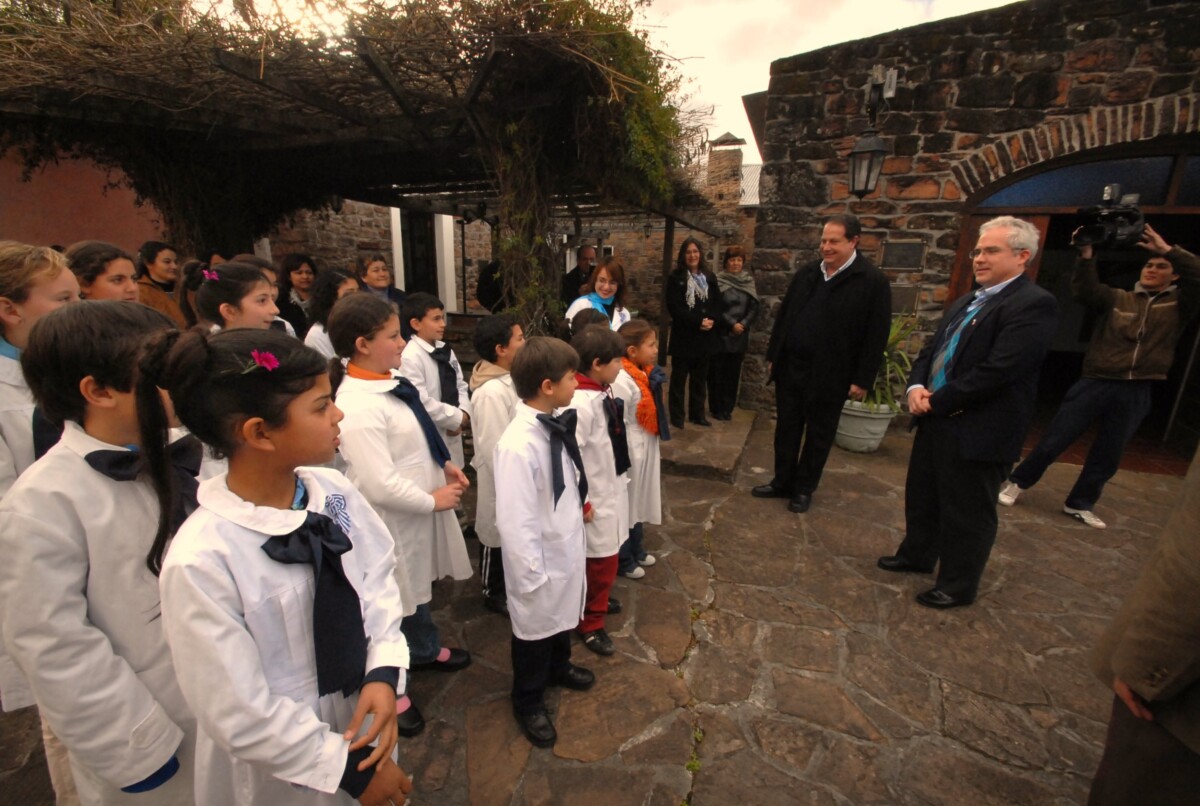
Valle Edén is a hamlet on Uruguay’s Montevideo to Rivera railway, in Tacuarembó Department. Its old pulpería, a country store, is where local tradition says the young Carlos Gardel performed. In 1979 Tacuarembó’s departmental government bought a property there for a museum to the singer, taking one side in a long dispute over where he was born.
A birthplace claim that is contested
The claim that Gardel was born in Uruguay is contested. A birth register in Toulouse, France records Charles Romuald Gardès, born at about two in the morning on December 11, 1890, to Berthe Gardès, an unmarried 25-year-old laundress. Gardel himself told it both ways: in October 1920 he told Uruguay’s consulate he was born in Tacuarembó in 1887, and in a witnessed 1931 statement he wrote that he was French, born in Toulouse. In November 2025 a 1920 Uruguayan consular certificate he had filed, registering his birth in Tacuarembó, was found; Argentine specialists called it the testimony of one moment, not conclusive proof.
The museum's version, and the man behind it
A 1967 book by journalist Erasmo Silva Cabrera launched the modern Uruguayan case for Gardel’s birth. The Museo Carlos Gardel opened in the old pulpería on December 11, 1999, and says he was born on that date in 1887 at the estancia Santa Blanca, and that Berthe Gardès only raised him. That version is no romance: it makes him the son of Colonel Carlos Escayola, a powerful man who made María Lelia Oliva, his goddaughter and former sister-in-law, pregnant when she was about 13. The department’s restored flagship theatre, reopened in 2024 after nearly seventy years of inactivity, carries Escayola’s name.
One story funded, another left out
The museum reopened on December 16, 2022 after a departmental renovation, and Uruguay’s tourism ministry now bills Valle Edén as the birthplace of Carlos Gardel. The Gardel claim has had departmental money since 1979. About two kilometres away, Cerro Cementerio carries a different, older story: a claim of Charrúa graves there, which the source that records it calls mythic history, alongside its documented use as a nineteenth-century burial ground for the region’s Catholic ranching families. That story has had no institutional investment.
Questions people ask about Valle Edén
Why is Valle Edén associated with Carlos Gardel?
Valle Edén is home to the Museo Carlos Gardel, opened in 1999 in an old country store where local tradition says the young Gardel performed. The museum holds that Gardel was born nearby in 1887, one side of a long dispute over where the tango singer was actually born.
Where was Carlos Gardel really born?
The claim is contested. A birth register in Toulouse, France records Charles Romuald Gardès, born there on December 11, 1890, to Berthe Gardès, an unmarried laundress. Gardel himself said both things at different times, Uruguayan in 1920, French in a witnessed 1931 statement.
What does the Valle Edén museum say about Gardel's father?
The museum's version names Colonel Carlos Escayola as his father, and says Berthe Gardès only raised him. That version comes from Escayola's own record: he made María Lelia Oliva, his goddaughter and former sister-in-law, pregnant when she was about 13.
Has any evidence supported the Uruguayan birth claim?
In November 2025 researchers found a 1920 Uruguayan consular certificate Gardel had filed, registering his birth in Tacuarembó. Argentine specialists called it the testimony of one moment, not conclusive proof, and the dispute remains open.