What San Antonio de Areco is known for
San Antonio de Areco is an Argentine town 113 km from Buenos Aires city, with 23,114 residents at the 2010 census. It is known for a museum built around a novelist’s version of the gaucho, and for the Día de la Tradición, the tradition festival for which the town has been the fiesta’s official seat since 1984.
Before the gaucho of literature
Querandíes and Pampas lived on this stretch of the pampa before the Spanish conquest. The town was founded on October 23, 1730, around a chapel to San Antonio de Padua. Founding accounts say the Spanish landowner José Ruiz de Arellano asked for the chapel to seek an end to indigenous raids, casting the people being displaced as the aggressors. In its historical sense, a gaucho was a mestizo migratory horseman skilled in cattle work, long before the word meant anything literary.
A novelist's gaucho, given a museum
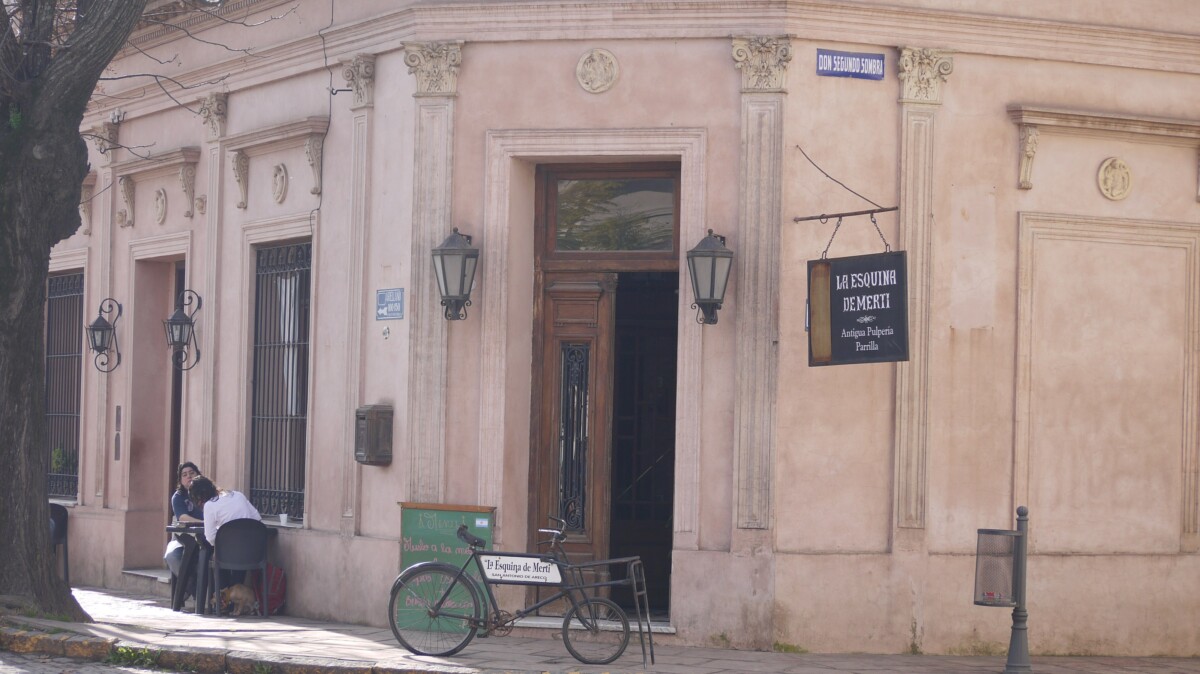
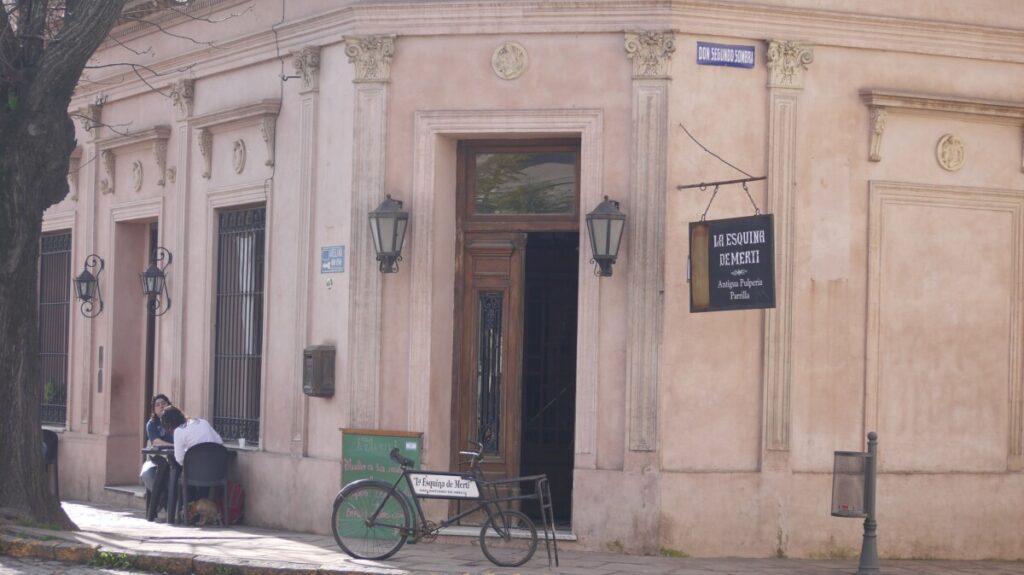
The gaucho Areco would sell was a novelist’s reconstruction. Ricardo Güiraldes, of the family that owned the La Porteña estancia, based his 1926 novel Don Segundo Sombra on the estancia’s rural workers; the real man behind Don Segundo was Segundo Ramírez, a rural laborer who lived from 1852 to 1936. Provincial minister José María Bustillo championed a museum after visiting a 1936 exhibition, and the Museo Gauchesco Ricardo Güiraldes opened on October 16, 1938, inside a 97-hectare Parque Criollo.
A fiesta written into law, twice
A 1939 provincial law set the Día de la Tradición on November 10, the birthday of José Hernández, author of Martín Fierro, and ordered it celebrated in Areco and Luján. Intendente José Antonio Güiraldes and governor Manuel Fresco began the fiesta that year. Law 10220/84 later made Areco the Día de la Tradición’s permanent provincial seat. At the 86th fiesta, in November 2025, 2,000 paisanos from 65 traditionalist centers paraded with 72 tropillas. The national government calls it the country’s oldest creole celebration.
What the floods show
Areco’s museum has flooded twice. In December 2009, more than 1.3 meters of water entered the Museo Güiraldes, and over 3,000 residents were evacuated. In May 2025, 436 mm of rain fell in four days and the Río Areco reached 5.95 meters, its highest level in over a decade, affecting more than 300 families. Areco’s economy depends on weekend visitors, so tourism businesses reopened within days while other residents faced a slower recovery.
Questions people ask about San Antonio de Areco
Why is San Antonio de Areco famous?
San Antonio de Areco is known for the Museo Gauchesco Ricardo Güiraldes, built around the landowning novelist's book Don Segundo Sombra, and for the Día de la Tradición, Argentina's gaucho festival, whose permanent provincial seat the town became under a 1984 law.
Who was the real Don Segundo?
Segundo Ramírez, a rural laborer who lived from 1852 to 1936, was the real man behind Ricardo Güiraldes's fictional gaucho Don Segundo Sombra. Güiraldes based the 1926 novel on workers at his family's La Porteña estancia.
When is the Día de la Tradición?
The Día de la Tradición falls on November 10, the birthday of José Hernández, author of Martín Fierro. A provincial law first set the date in 1939, and San Antonio de Areco held its first fiesta that year.
Has San Antonio de Areco flooded?
Yes. Flooding hit the town's museum in December 2009 and again in May 2025, when the Río Areco reached its highest level in over a decade. Because Areco's economy depends on weekend visitors, tourism businesses reopened within days each time.