What Shamrock is known for
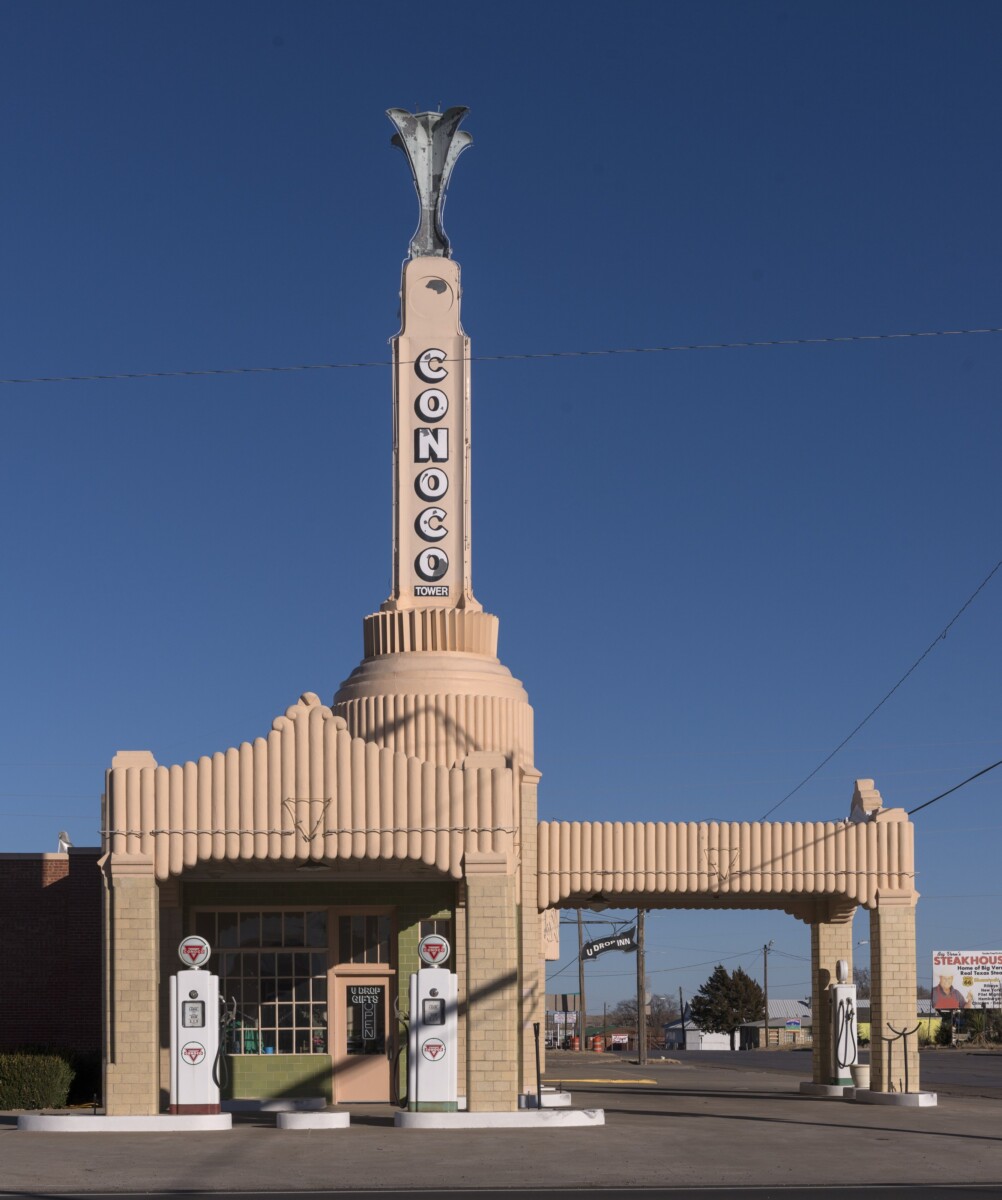
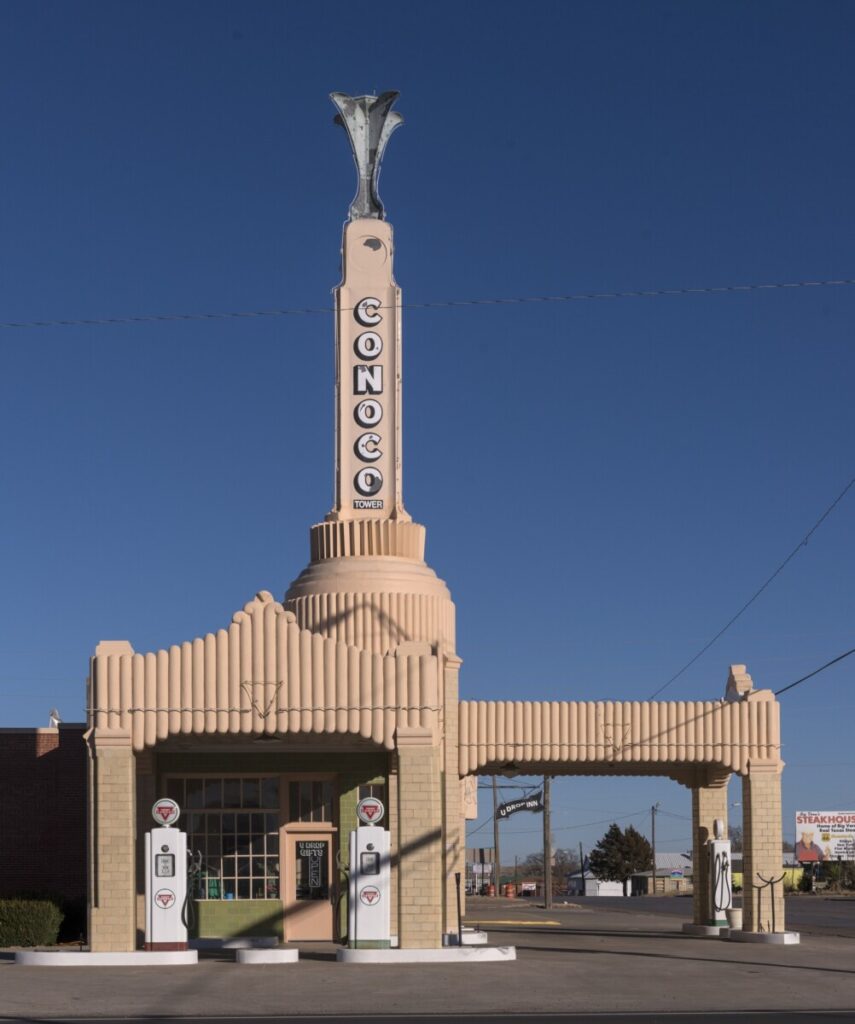
Shamrock is a Texas Panhandle town of 1,789 people in 2020, known for two things it chose to keep: an Irish name and the U-Drop Inn, a 1936 Art Deco cafe and Tower Conoco station on Route 66. A bank gave the building to the city, which restored it, and the city’s tourism office says it draws more than 10,000 visitors a year from more than 70 countries outside the United States.
Kiowa and Comanche country
Kiowa and Comanche peoples, who had displaced earlier Apache groups around 1700, dominated the Texas Panhandle until the Red River War of 1874. In 1875 and 1876 they were moved onto reservations in Indian Territory. An Army post set up near Hidetown in June 1875 to help keep them there, later named Fort Elliott, operated until 1890. In the summer of 1902 the Chicago, Rock Island and Gulf Railway reached the Shamrock townsite.
A name kept on purpose
In 1890 George Nickel, an Irish immigrant sheep rancher, proposed the name Shamrock when he applied to open a post office. It never opened, probably because his home burned that year. The settlement was first called Wheeler, and in 1903 the railroad renamed its station Shamrock. The town has kept building on the name: in 1959 a local organization acquired a fragment of the Blarney Stone to preserve the town’s Irish image, an Irish Craftfest is held the first weekend of October, and more than 30,000 people attended the 2024 St. Patrick’s Day celebration.
A station on Route 66
The U-Drop Inn and Tower Conoco station were built in 1936 at the intersection of U.S. Route 83 and Route 66. John Nunn first sketched the building’s concept on the ground, and it cost $23,000. The cafe opened on April 1, 1936, and an eight-year-old boy won about $50, a week’s waitressing pay, for suggesting its name in a contest. After Route 66 was decommissioned in 1984, Interstate 40 drew traffic away, and a bank repossessed the building in the mid 1990s.
Saved by a bank's gift and federal money
In May 1999 the First National Bank of Shamrock bought the property and donated it to the city, which restored it with $1.7 million from the federal Transportation Equity Act for the 21st Century. The building, listed on the National Register of Historic Places in 1997, helped inspire Ramone’s House of Body Art in Pixar’s 2006 film Cars. The city’s tourism page lists it as home to the Visitor Information Center and the Chamber of Commerce and Economic Development Corporation offices, and Osbaldo De Leon reopened its cafe in 2021. Before the railroad and the highway, the Kiowa and Comanche held the Panhandle, and Apache groups before them.
Questions people ask about Shamrock
Why is Shamrock, Texas called Shamrock?
In 1890 George Nickel, an Irish immigrant sheep rancher, proposed the name when he applied to open a post office; the Handbook of Texas says he chose it for good luck and courage. The post office never opened, probably because his home burned. The settlement was first called Wheeler, and the railroad renamed its station Shamrock in 1903.
What is the U-Drop Inn in Shamrock?
An Art Deco cafe and Tower Conoco gas station built in 1936 at the intersection of U.S. Route 83 and Route 66. The cafe opened on April 1, 1936. The building is listed on the National Register of Historic Places and helped inspire Ramone's House of Body Art in Pixar's 2006 film Cars.
Can you visit the U-Drop Inn?
The city's tourism page lists the building as home to Shamrock's Visitor Information Center, along with the Chamber of Commerce and Economic Development Corporation offices. Osbaldo De Leon reopened the cafe in 2021, and a $50,000 grant in 2023 paid for an accessible door, outdoor seating and water stations for people and pets.
When is St. Patrick's Day celebrated in Shamrock, Texas?
Shamrock holds its annual St. Patrick's Celebration on the weekend closest to St. Patrick's Day, and the National Trust for Historic Preservation reports that more than 30,000 people attended in 2024. The town also holds an Irish Craftfest the first weekend of October at the Shamrock Area Community Center.
Who lived in the Texas Panhandle before Shamrock was founded?
Kiowa and Comanche peoples, who had displaced earlier Apache groups around 1700, dominated the Texas Panhandle until the Red River War of 1874. In 1875 and 1876 they were moved onto reservations in Indian Territory, about a quarter century before the railroad reached the Shamrock townsite in 1902.