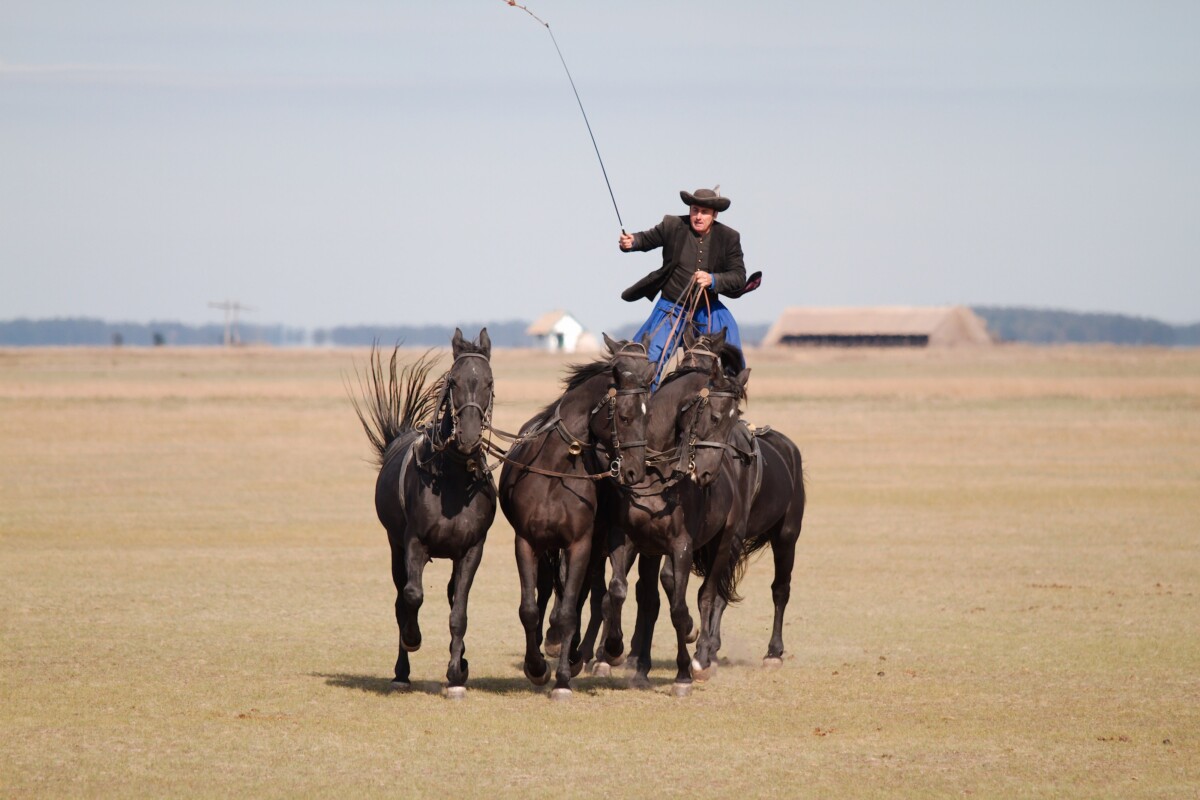
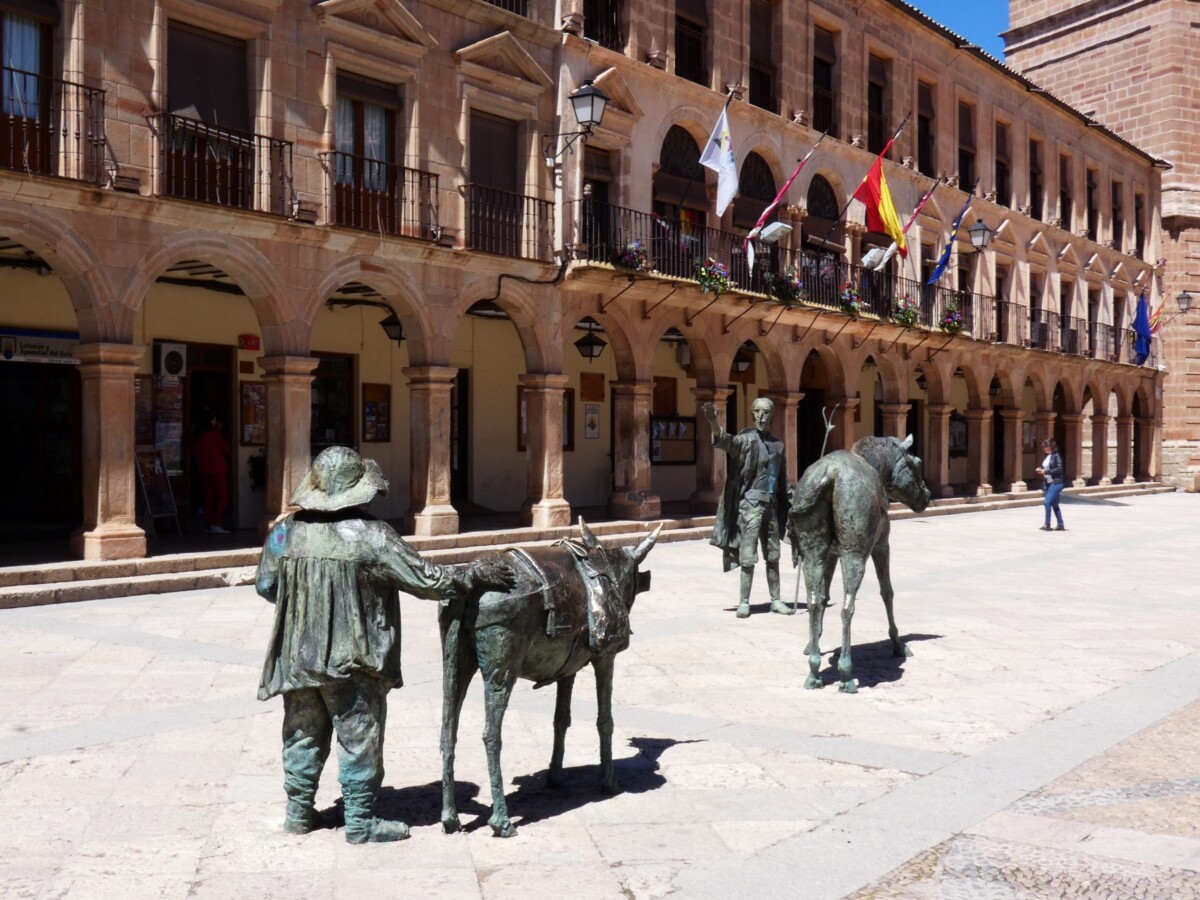
Hortobágy, Hungary, saw its bridge fair renewed in 1960 without livestock, seven years after the state’s forced labour camps on this plain closed.
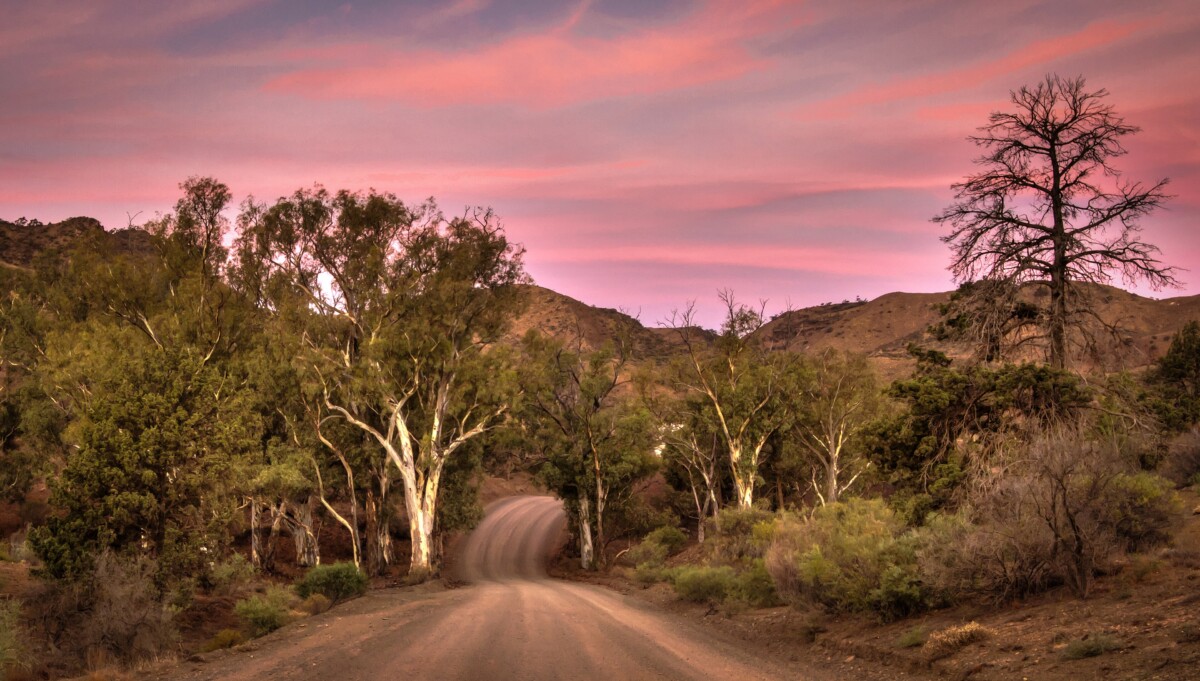
In 1991 Ross and Jane Fargher bought the pub at Parachilna, South Australia, and rebuilt it around camel, emu and kangaroo.
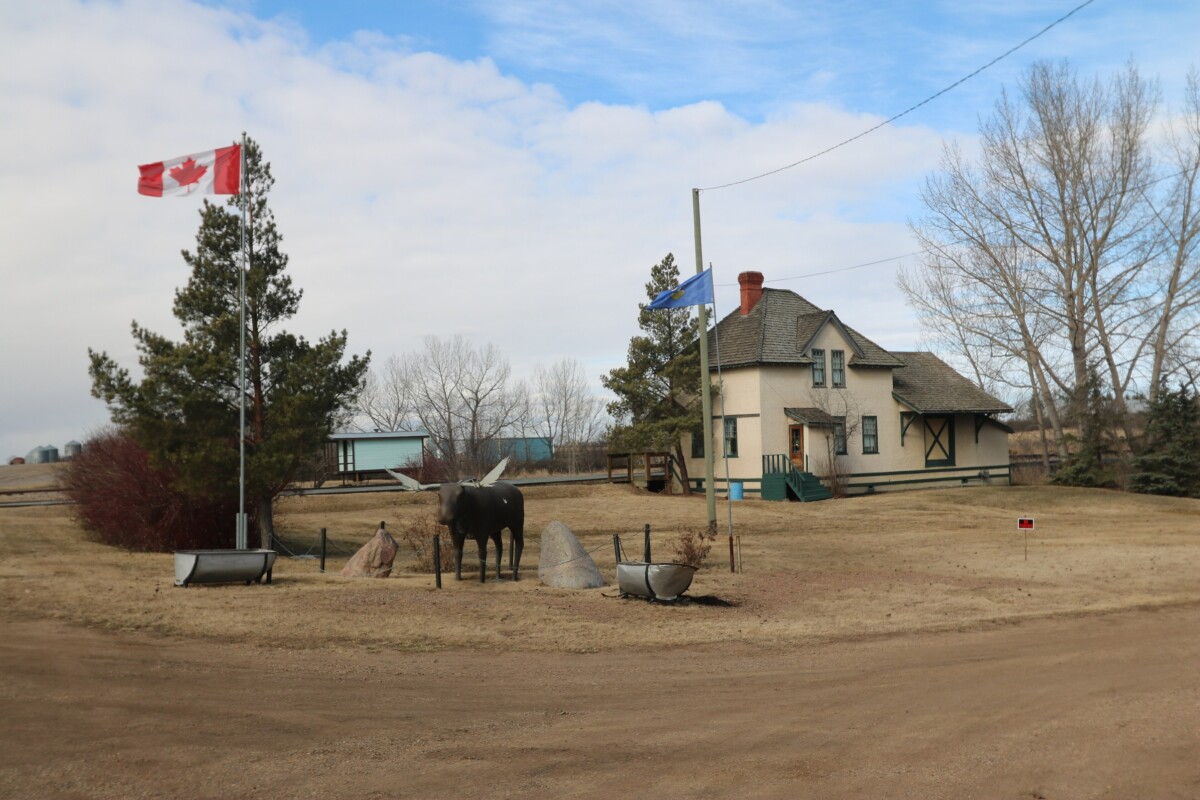
In Rowley, Alberta, a hamlet of 8 people in 2013, locals restored Sam’s Saloon, and a 2008 provincial grant restored its grain elevators.
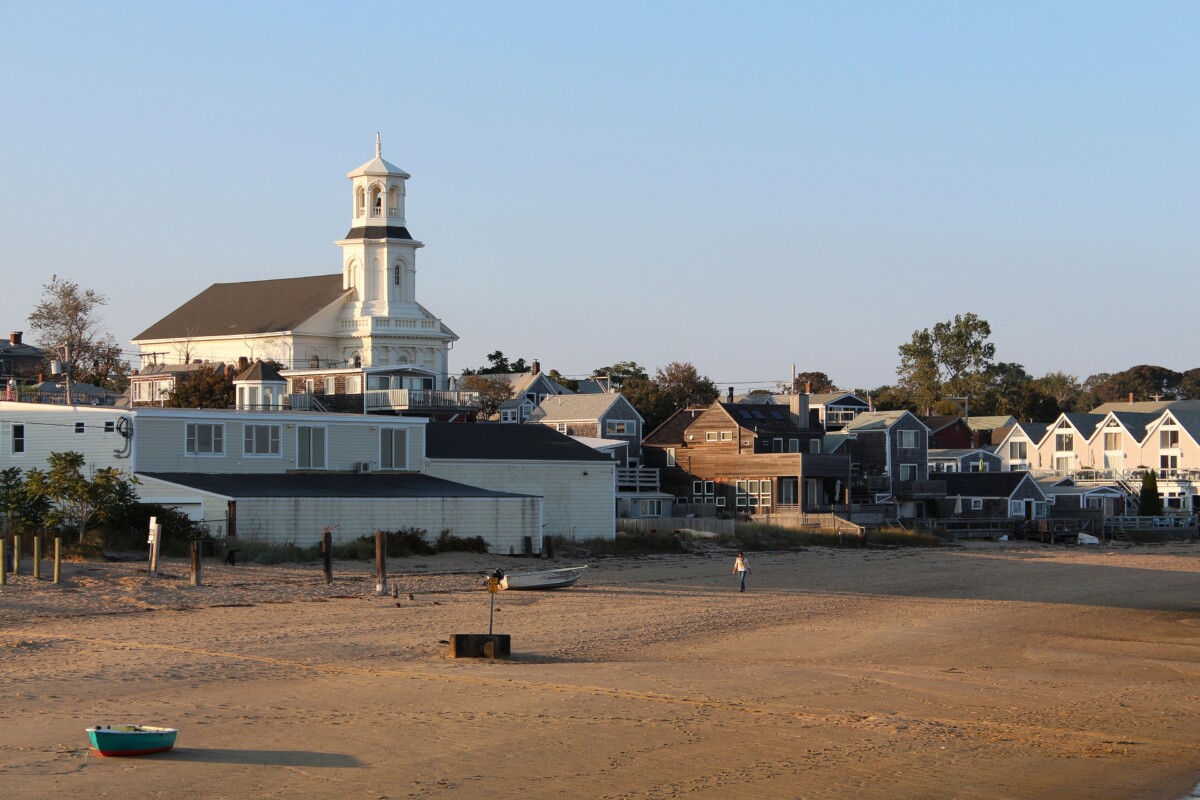
Provincetown, Massachusetts turned a summer painting school founded in 1899 into what many call America’s oldest continuous art colony.
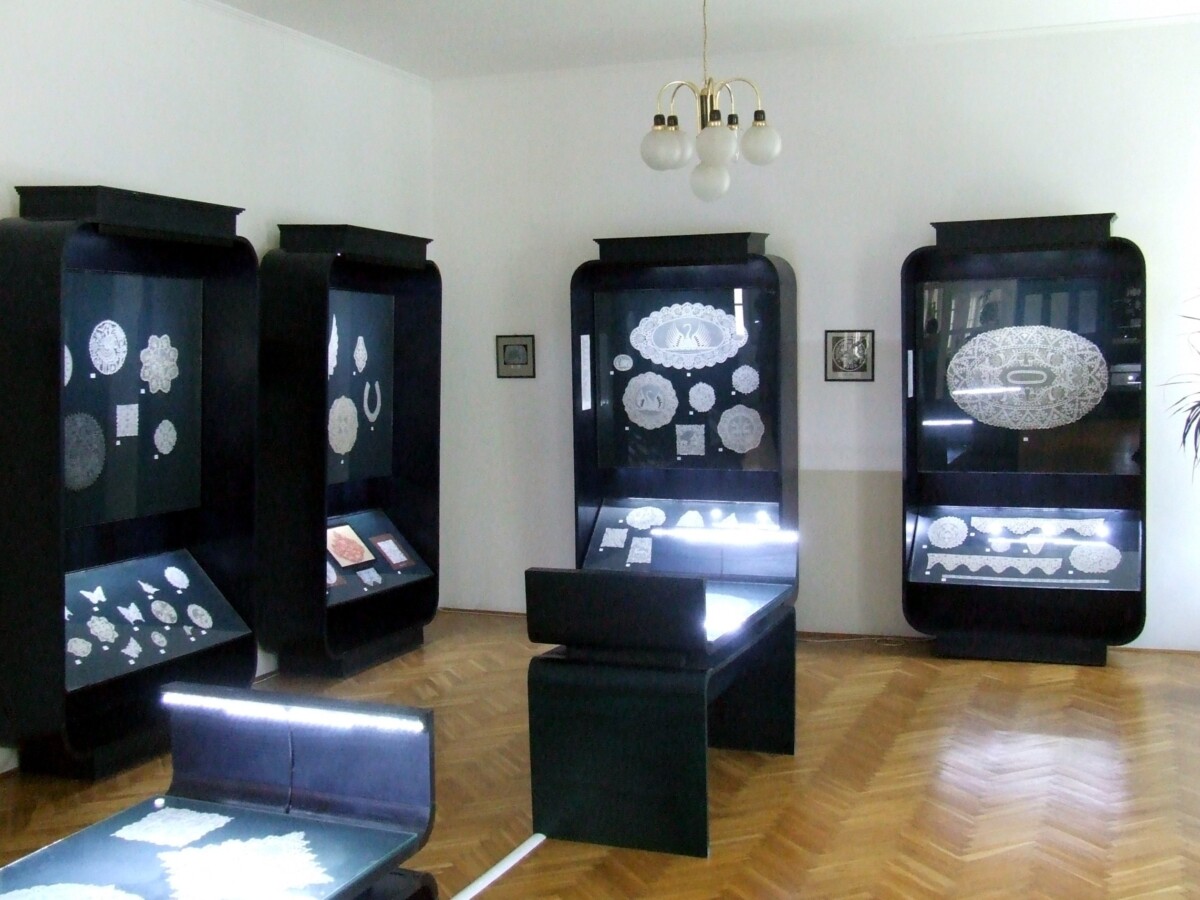
Kiskunhalas, Hungary invented Halas lace in 1902; the council built it a lace house in 1935, and nine women still sew it there today.
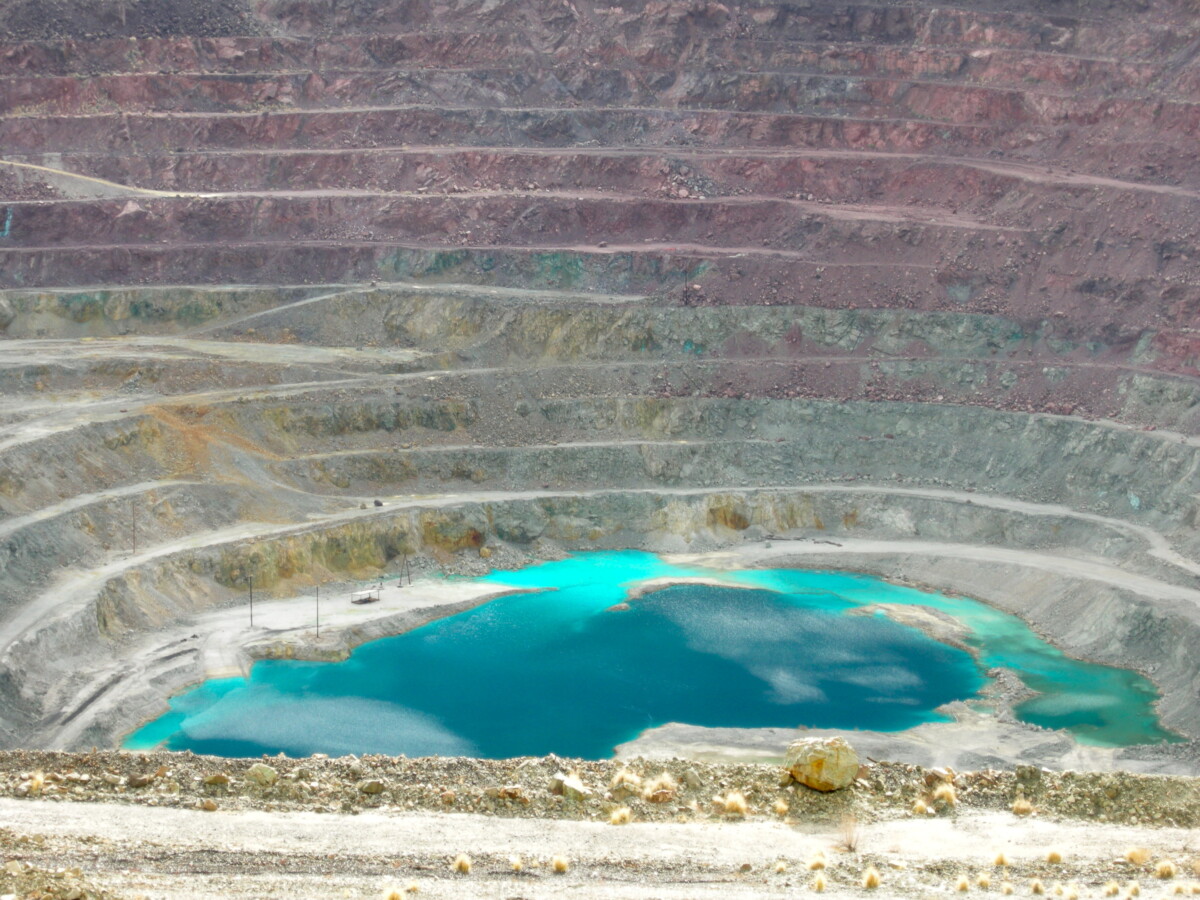
Ajo, Arizona’s mine closed in the mid-1980s, and the International Sonoran Desert Alliance, formed in 1993, turned the Curley School into artist lofts.
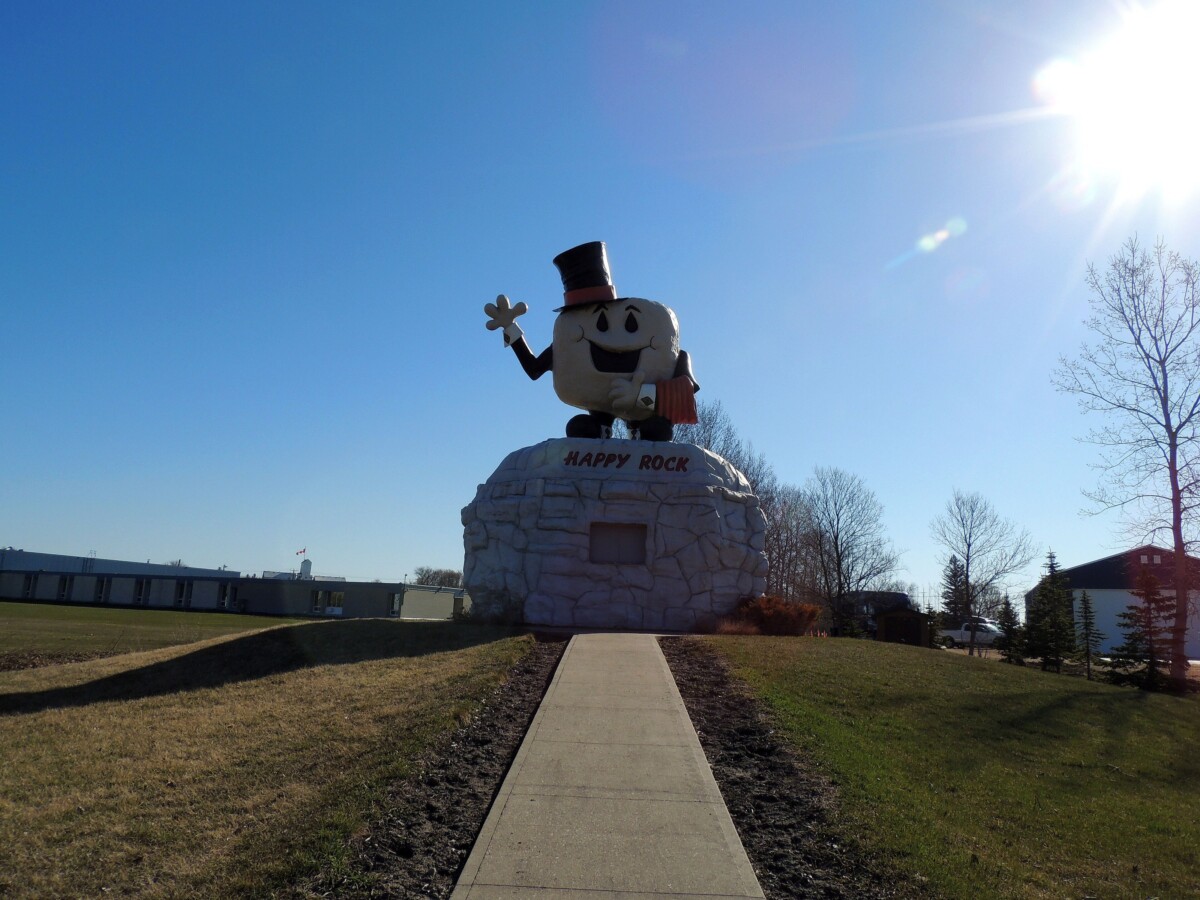
Gladstone, Manitoba, already nicknamed Happy Rock by the late 1970s, opened a 36-foot fibreglass Happy Rock as a tourist centre on July 1, 1993.
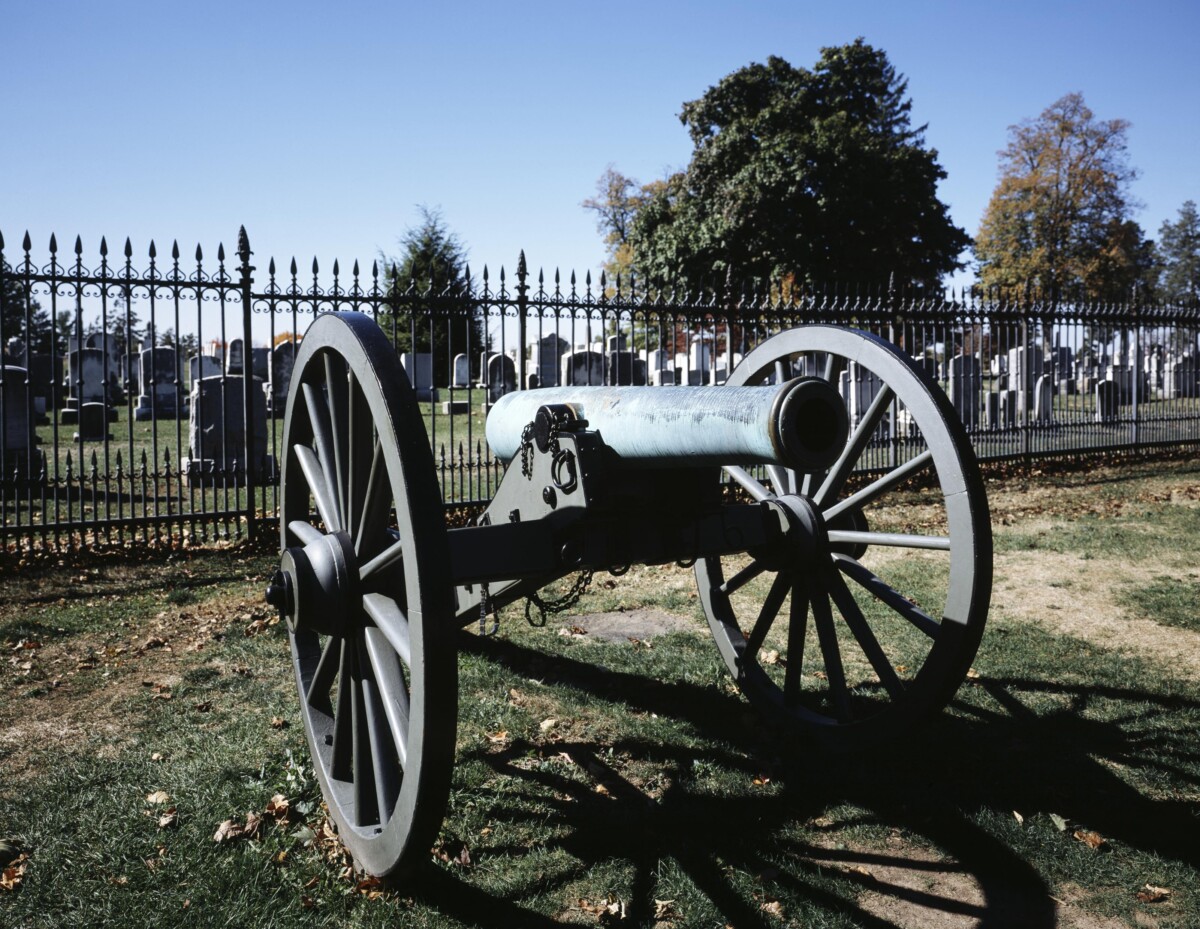
Gettysburg, Pennsylvania built a permanent tourism economy on its 1863 battlefield. Visitors to Adams County spent more than $809 million in 2024.
Villanueva de los Infantes, population 4,785, adopted a 2005 university study naming it Don Quixote’s unnamed village, then built a museum on the verdict.
Desert Hot Springs, California sells the same mineral water as its neighbors, but Cabot Yerxa built a four-story pueblo by hand from 1941.