
What Provincetown is known for
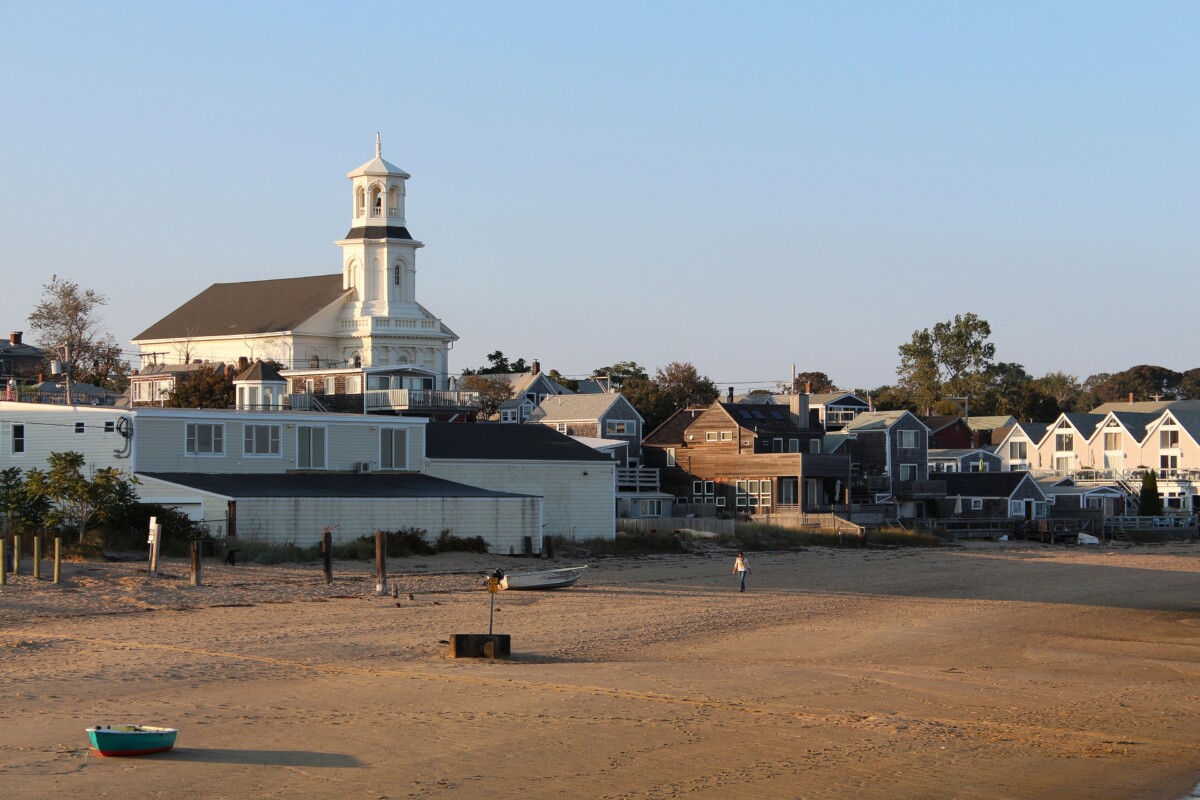
Provincetown is a village of roughly 3,600 year-round residents at the very tip of Cape Cod, forty miles out into the Atlantic. It is widely called the oldest continuously operating art colony in the United States, and it grew from a summer painting school into an identity the town has defended for more than 120 years.
A fishing village that needed a second draw
Provincetown ran on fish. It was a hardy Portuguese whaling and fishing village on a curl of sand with water on three sides, where the Pilgrims first landed in 1620. But fishing is precarious, the season is short, and cod alone could not sustain the town year-round. Working harbors are not scarce in New England.
The town needed a draw that the next port up the coast did not have. It could not out-fish its future, and its isolation, which gave it character, also capped it.
A painting school, then an identity
In 1899 Charles Hawthorne founded the Cape Cod School of Art and taught students to paint in the clear, water-reflected light at the tip of the Cape. Rather than treat painters as summer curiosities, the town leaned in completely and built institutions around them. It later widened its identity into one of America’s most welcoming LGBTQ destinations.
What the colony earns
Provincetown’s art colony has been home to O’Neill, Hopper, Hofmann, Rothko and Motherwell. Tourism is now the primary economic engine. The town’s three-year average room tax climbed 16.9 percent, from about 2.5 million to 2.93 million dollars, and short-term rentals hold 27 percent of housing, the highest share in Massachusetts, which strains year-round life.
Why it worked
Provincetown did not wait to be discovered. The Cape’s light and isolation were inherited, but the art colony, the institutions and the culture of openness were deliberately built and defended for more than 120 years. Instead of letting a stray painter or two drift through, the town built an institution around them, then widened the identity rather than letting it calcify.
Art and acceptance became a product that was renewed every season, until the brand grew unmistakable, uncopyable, and outlasted the fishing economy that came before it.
Questions people ask about Provincetown
Why is Provincetown, Massachusetts famous?
Provincetown is widely called the oldest continuously operating art colony in the United States, home to O'Neill, Hopper, Hofmann, Rothko and Motherwell. It grew from a summer painting school founded in 1899 and later widened its identity into one of America's most welcoming LGBTQ destinations.
Who founded the painting school behind Provincetown's art colony?
Charles Hawthorne founded the Cape Cod School of Art in 1899. He taught students to paint in the clear, water-reflected light at the tip of the Cape, and the town built institutions around the painters instead of treating them as summer curiosities.
How many people live in Provincetown?
Provincetown has roughly 3,600 year-round residents at the very tip of Cape Cod. Short-term rentals hold 27 percent of its housing, the highest share in Massachusetts, which strains year-round life in the village.
What did Provincetown live on before tourism?
Provincetown was a hardy Portuguese whaling and fishing village on a curl of sand with water on three sides. Fishing is precarious and the season is short, so cod alone could not sustain the town year-round.