
What Ajo is known for
Ajo is a Sonoran Desert town of barely three thousand people, forty miles from Mexico. After its mine shut down, a company school that had closed was rebuilt into artist housing while the copper stayed in the ground. The Curley School now holds thirty affordable artist live-work lofts.
Losing the operator, not the ore
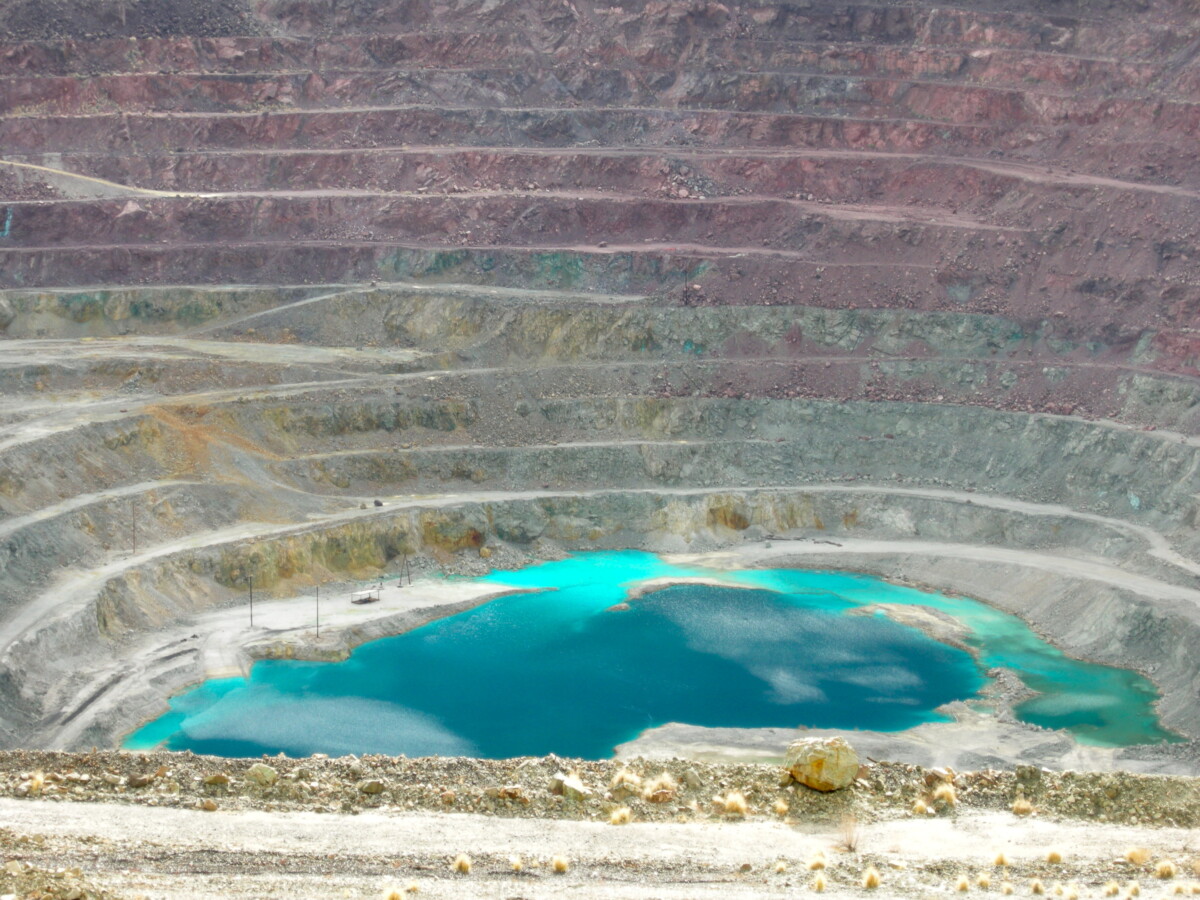
Ajo is a company town on Hia C-ed O’odham land. The Tohono O’odham took red pigment from this orebody, and Spaniards and Americans mined it, long before the copper company platted a townsite here in 1916. In the mid-1980s the mine closed, taking roughly a thousand jobs, and over the next decade the population fell about forty percent.
Losing the operator was not the same as losing the ore: Freeport-McMoRan still owns New Cornelia and puts its sulfide reserves at 482 million short tons. What Ajo lost was the payroll, and then its biggest building, when the Curley School closed in 1995. The town needed a use for it.
A school into lofts
The International Sonoran Desert Alliance, formed in 1993, bought the Curley School and converted two of its three main buildings, the 1919 original and the 1930s J-Wing, into thirty affordable artist live-work lofts, finished in 2007. The cafeteria became a gallery.
What changed around it
Ajo anchors the gateway to Organ Pipe Cactus National Monument, which recorded 174,623 recreation visits in 2025. The other change was federal: the Border Patrol went from about 21 agents in 1989 to about 500 by 2012, with a $22 million station. Ajo’s census place counted 3,304 residents in 2010 and 3,039 in 2020.
Why it worked
The advantages were already there: an aquifer north of the mine, a Spanish colonial plaza, and some 600 company houses Phelps Dodge began selling off in 1984.
The redevelopment cost about $9.6 million from 11 funding sources, including a $100,000 National Endowment for the Arts grant and Pima County bond money, so most of the capital came from outside. The population had already rebounded in the 1990s, up 27 percent, years before the lofts were finished.
Questions people ask about Ajo
Why is Ajo, Arizona known?
Ajo is known for turning a closed company school into artist housing while the copper stayed in the ground. The International Sonoran Desert Alliance, formed in 1993, converted the Curley School into thirty affordable artist live-work lofts, finished in 2007.
When did the Ajo mine close?
In the mid-1980s the Ajo mine closed, taking roughly a thousand jobs, and over the next decade the population fell about forty percent. Freeport-McMoRan still owns New Cornelia and puts its sulfide reserves at 482 million short tons.
How much did the Ajo Curley School redevelopment cost?
The redevelopment cost about $9.6 million from 11 funding sources, including a $100,000 National Endowment for the Arts grant and Pima County bond money, so most of the capital came from outside Ajo.
How many people live in Ajo?
Ajo's census place counted 3,304 residents in 2010 and 3,039 in 2020. The population had already rebounded in the 1990s, up 27 percent, years before the lofts were finished.