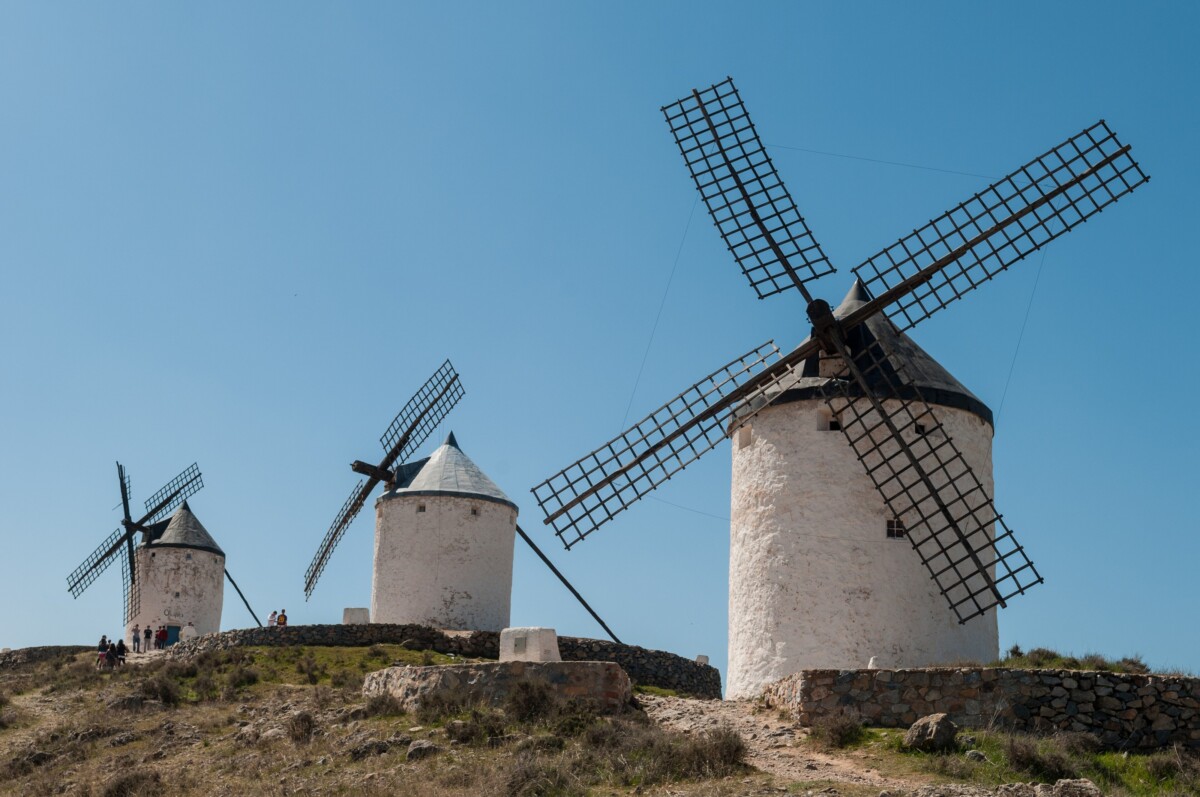
Consuegra, a La Mancha town of about 9,700, has twelve surviving windmills and a saffron festival that an Austrian visitor’s idea started in 1963.
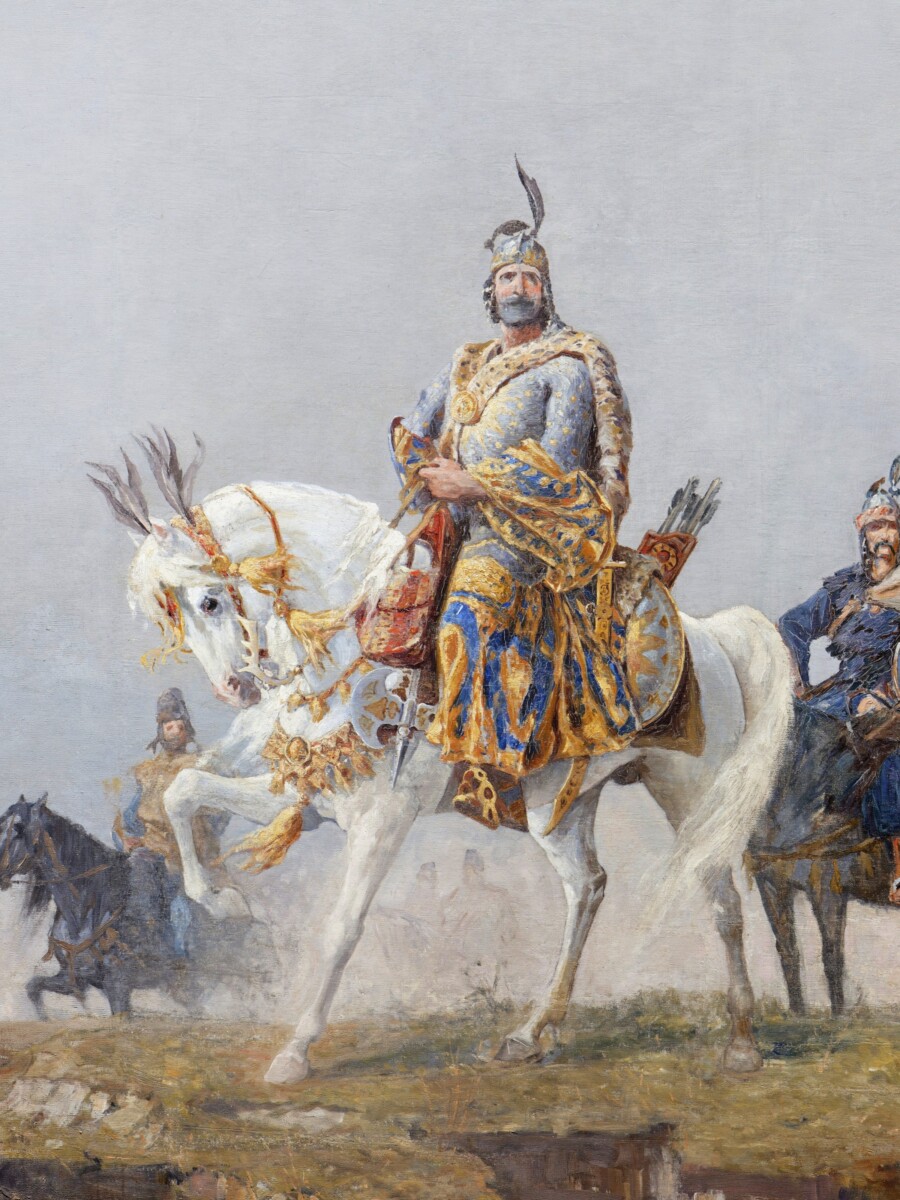
Ópusztaszer, Hungary gave up the name Sövényháza in 1974 while the state built a park on a legend its own heritage institute says lacks evidence.
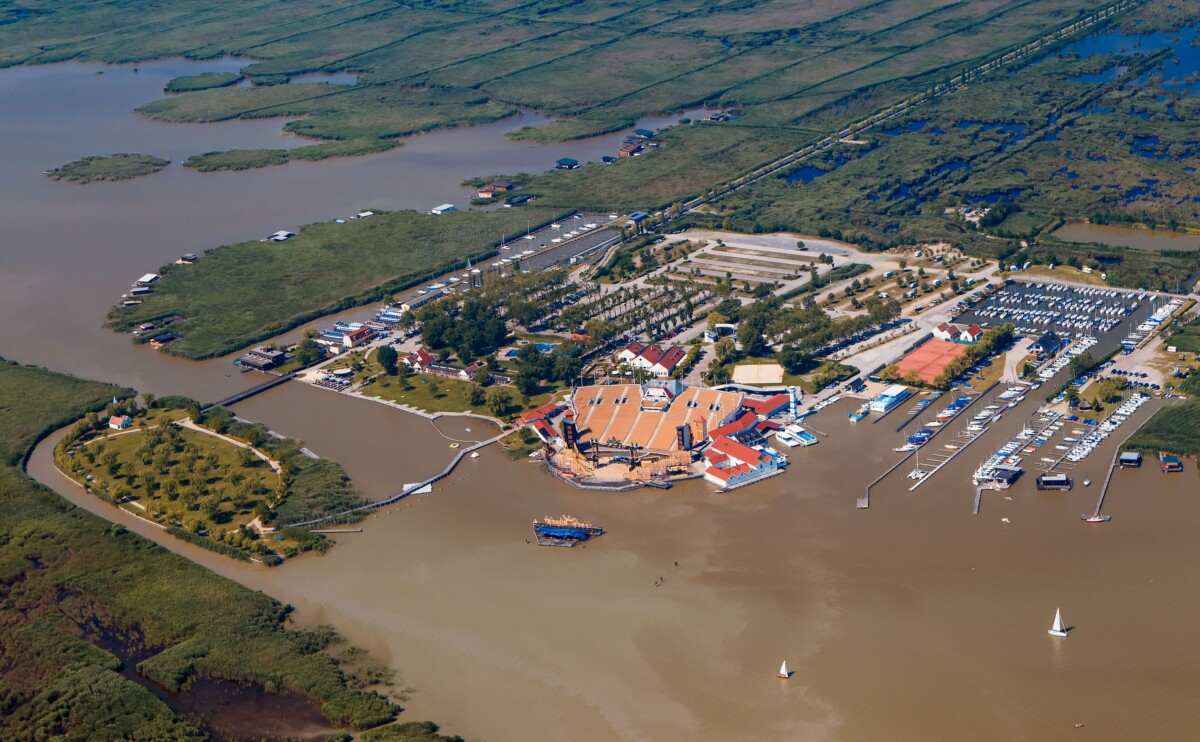
Mörbisch am See, Austria has staged summer opera on a lake built stage since 1957; in 2025 the festival and its guest events drew 185,000 visitors.
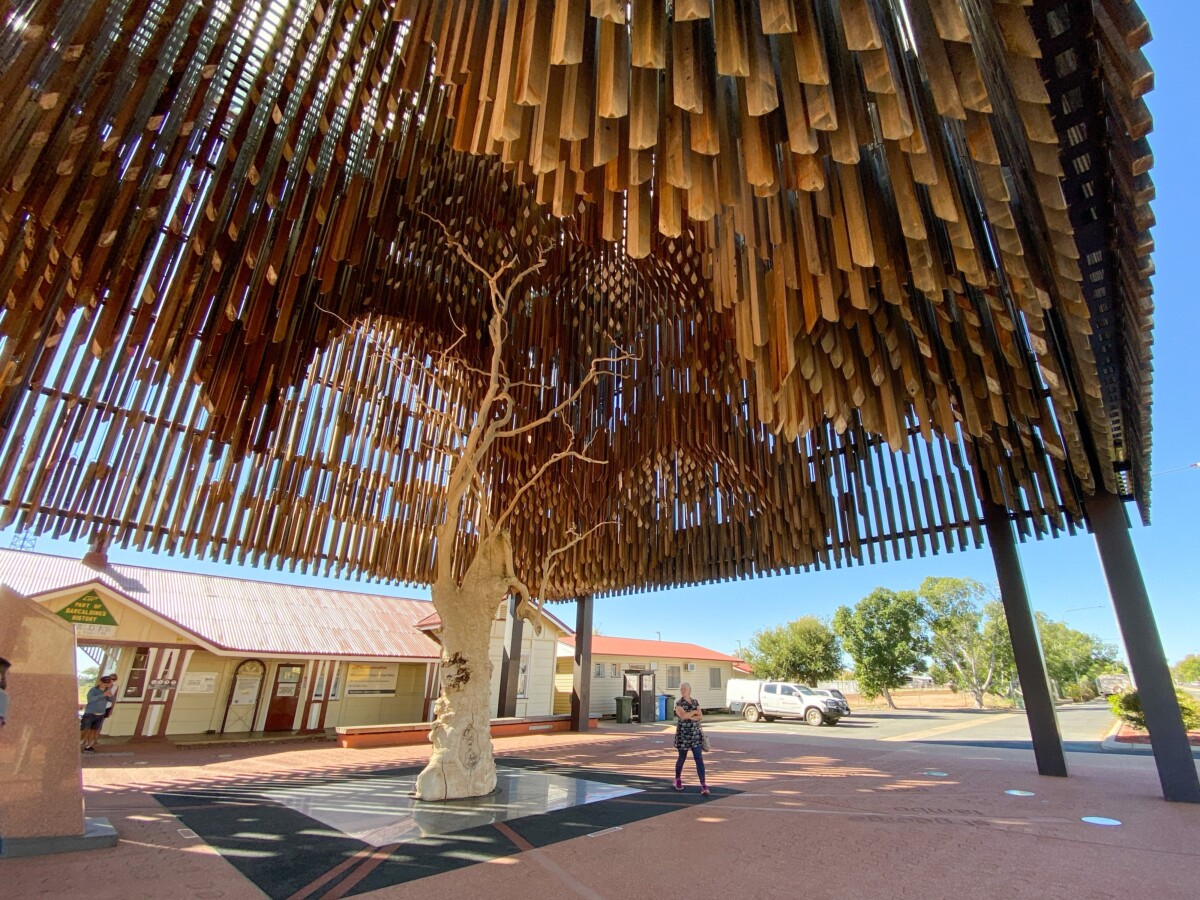
Barcaldine, Queensland, lost its Tree of Knowledge to poison in 2006 and built an A$5 million memorial around the trunk, opened in 2009.
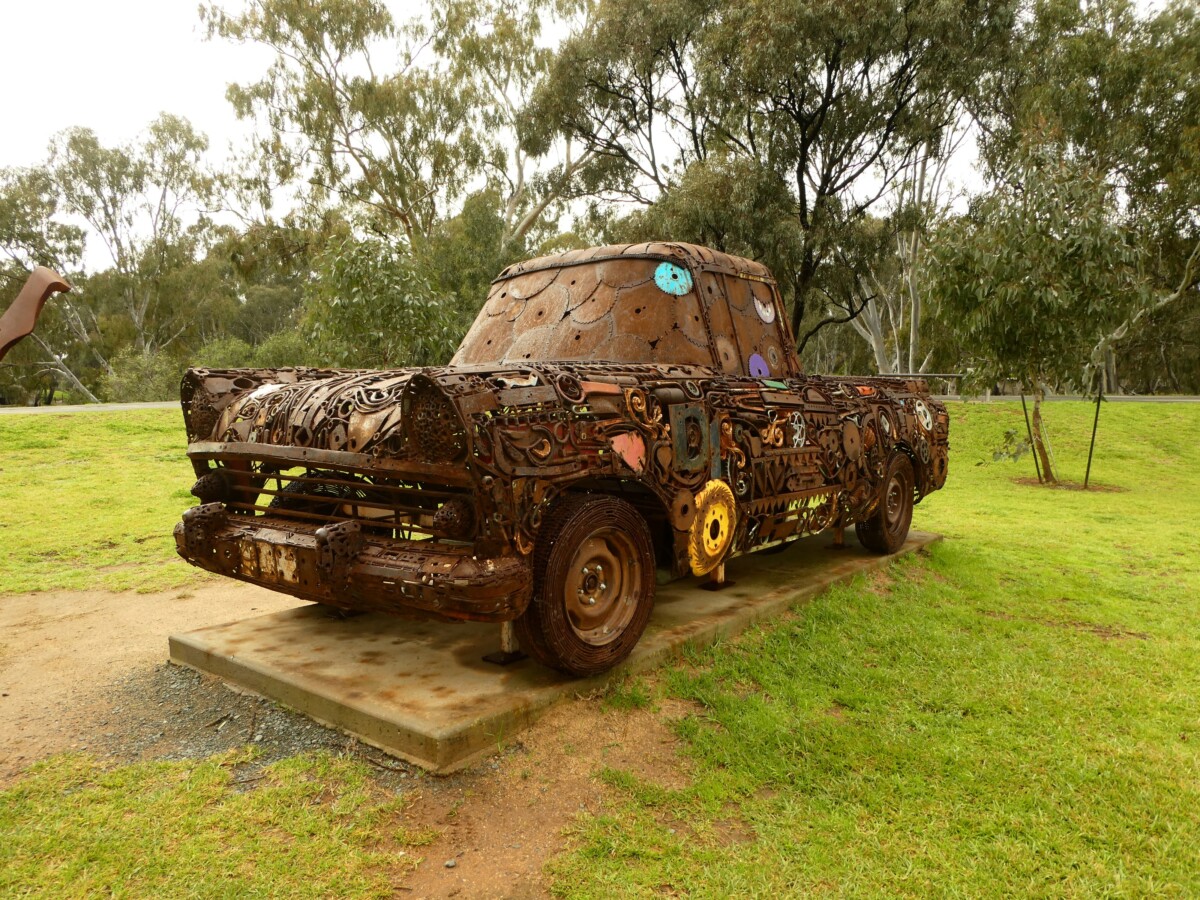
Deniliquin, New South Wales, answered a 1999 drought with a ute muster that drew a world record 2,839 utes and now draws up to 20,000 people.
Bulls, New Zealand, has renamed its shops after its own name since 1990, from Const-a-bull to Cure-a-bull, on rules a local committee set.
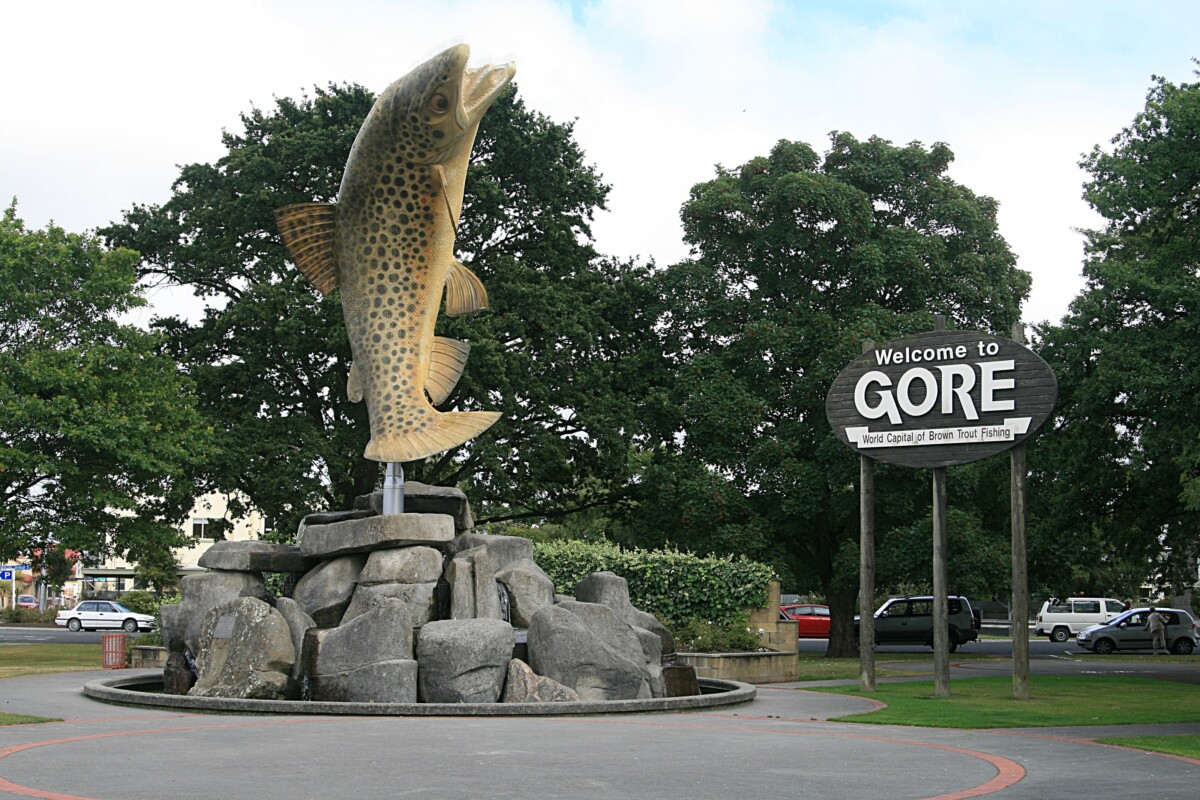
Gore, New Zealand, calls itself both country music capital and brown trout capital, and has run its Gold Guitar Awards since 1974.
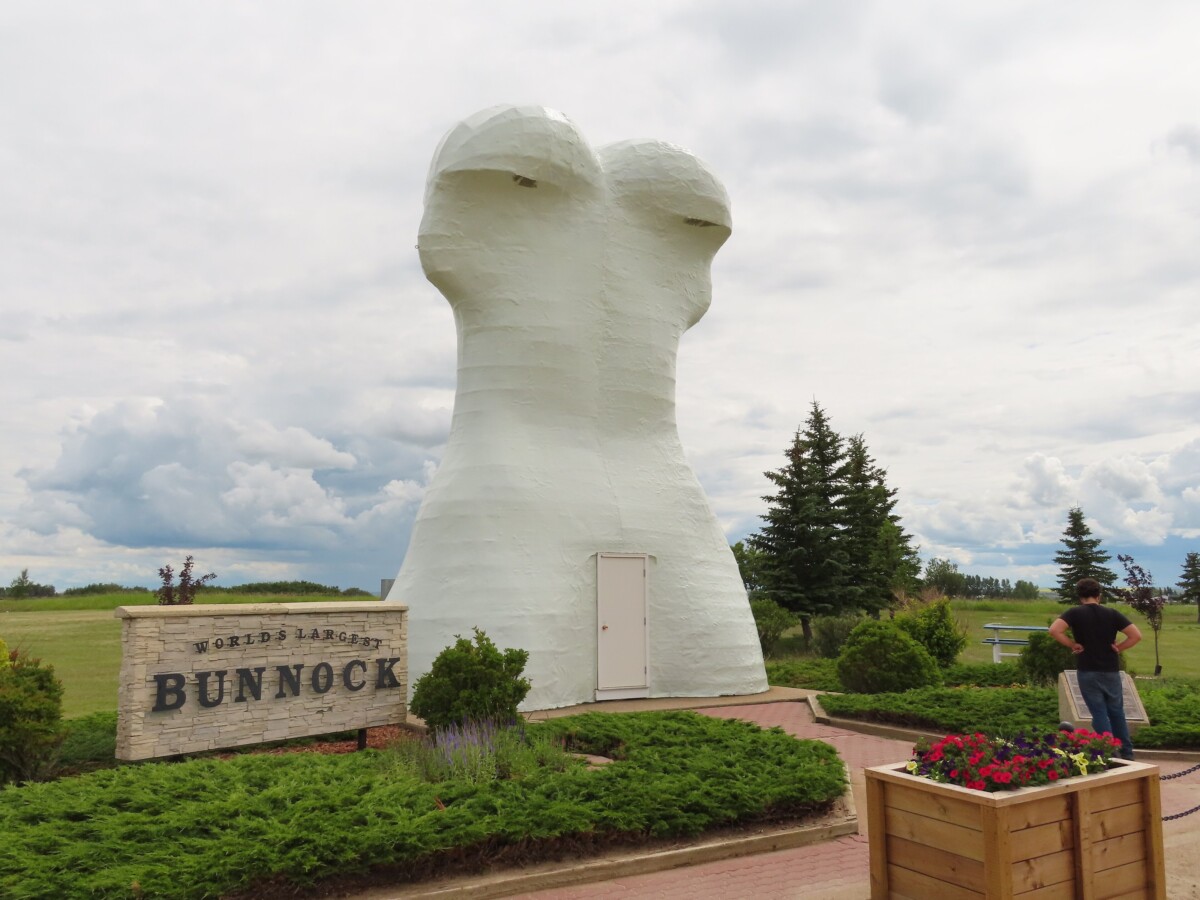
Since 1993 Macklin, Saskatchewan has hosted the World Bunnock Championship, a game of 52 horse ankle bones brought to Canada by immigrant settlers.
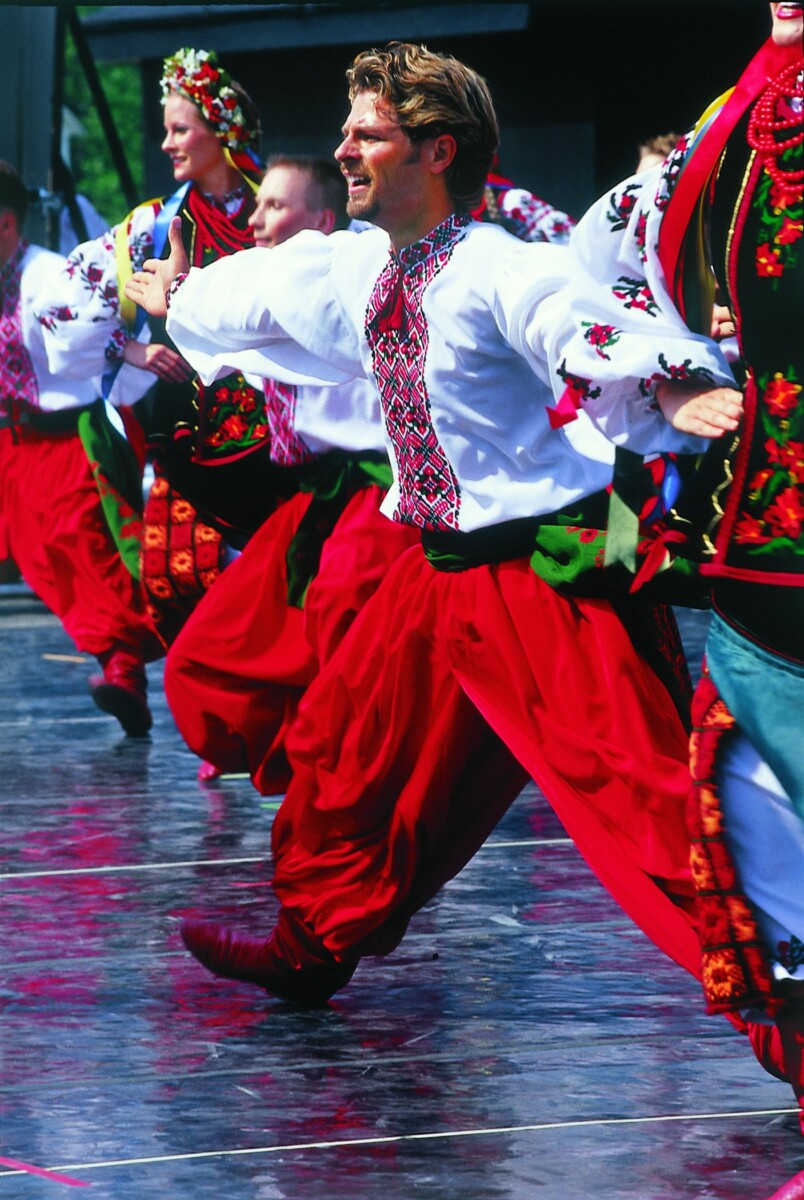
Dauphin, Manitoba’s chamber of commerce founded Canada’s National Ukrainian Festival in 1965 with a box of letterheads and five dollars in stamps.
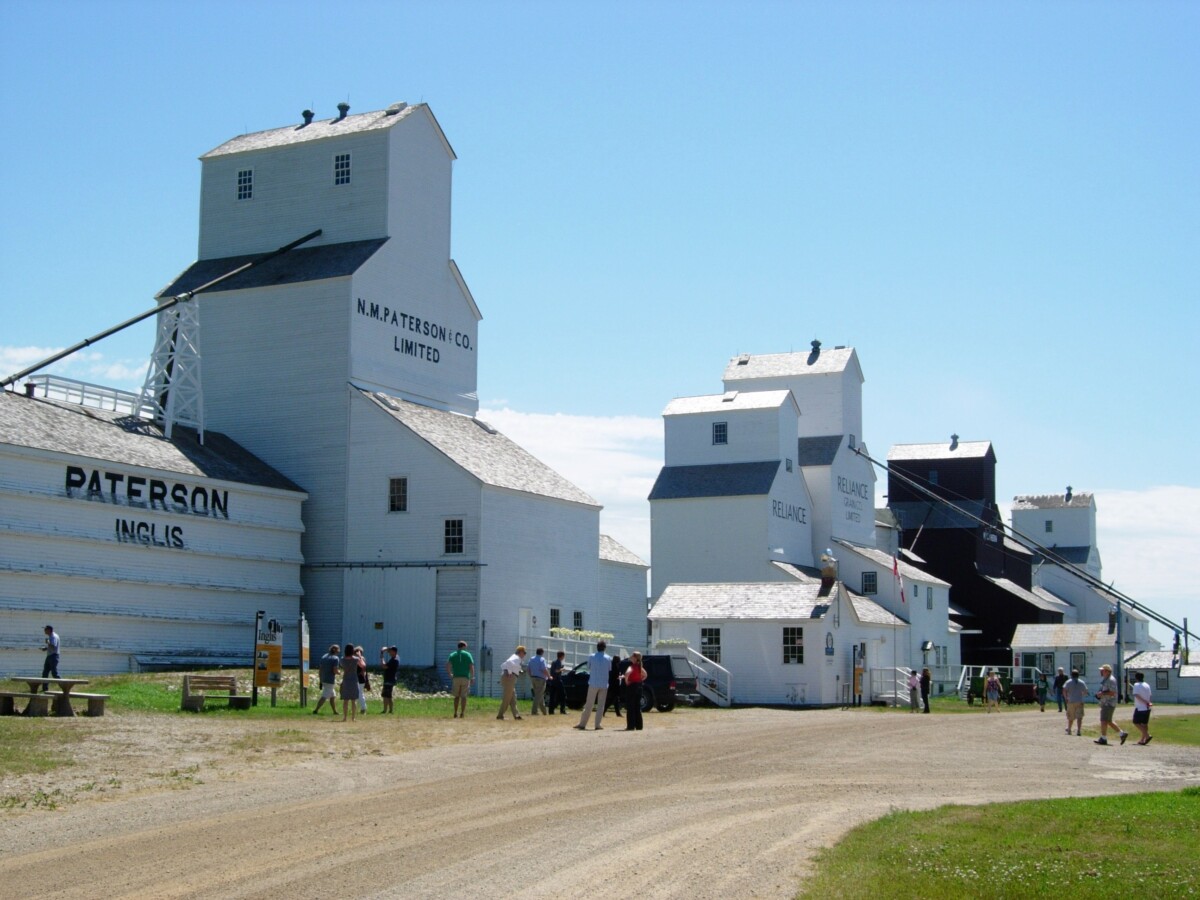
Inglis, Manitoba kept its row of five wooden grain elevators after they closed in 1995. A volunteer committee won the row national historic status.