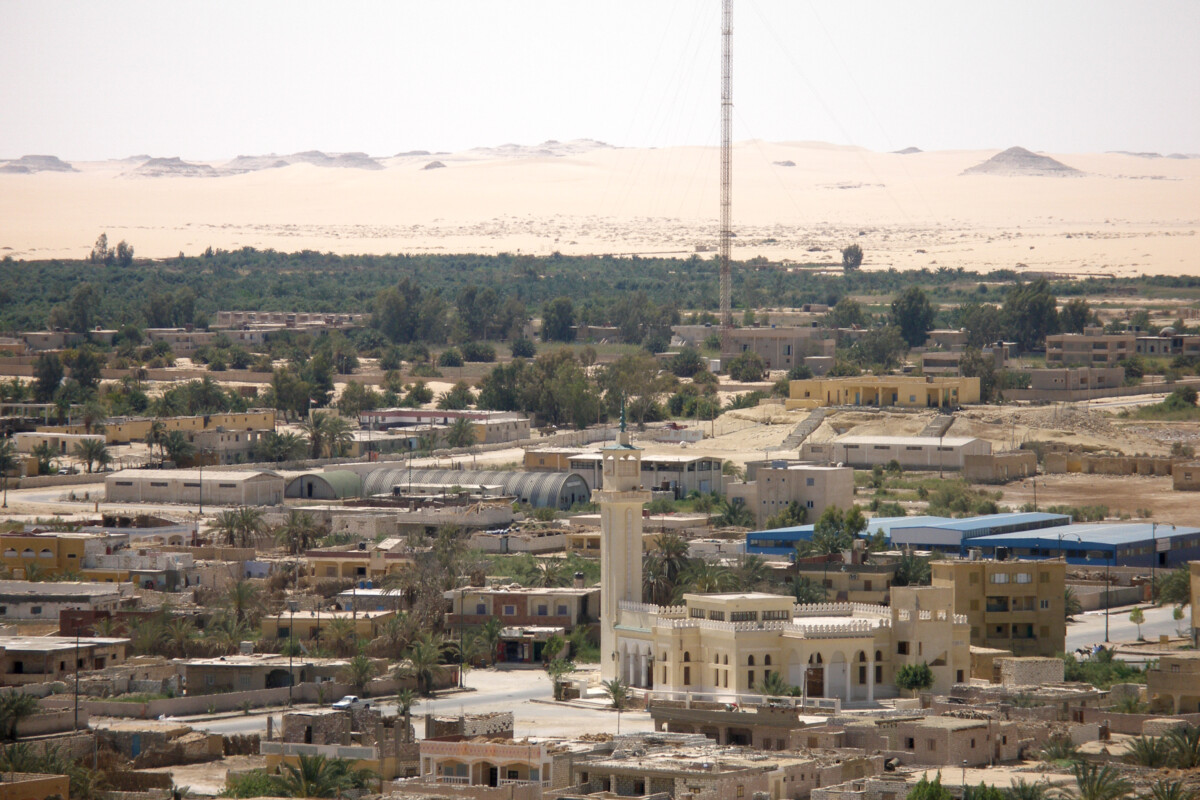
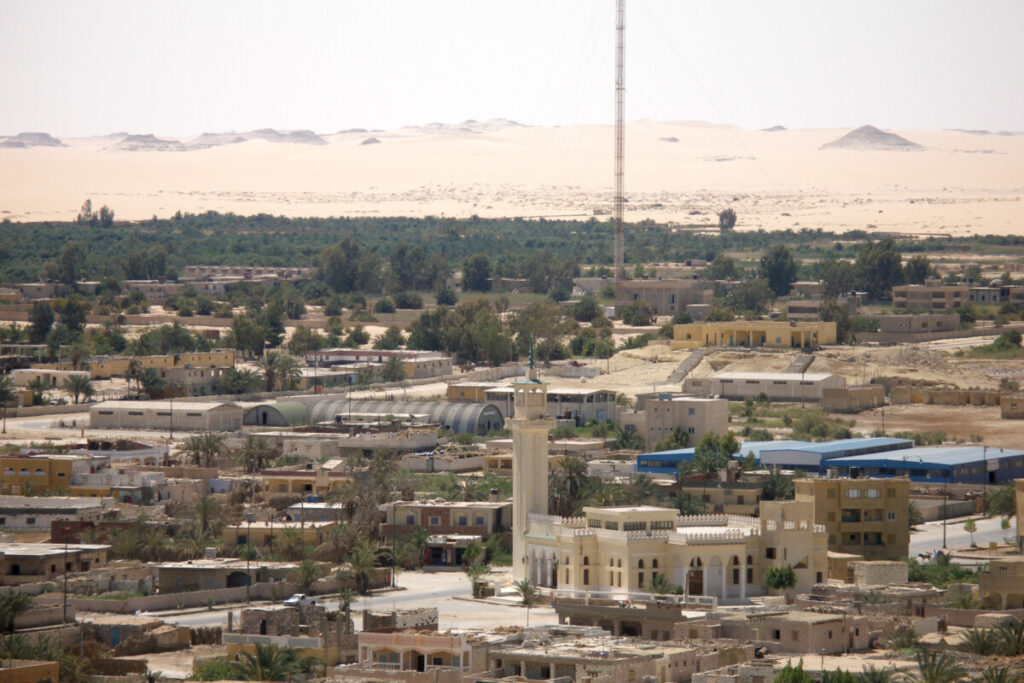

What Siwa Oasis is known for
Siwa Oasis is known for Shali, a mudbrick and salt citadel at the centre of a Western Desert oasis. Three days of rain dissolved the fortress in 1926, and from 2018 it was restored in the same kershef technique. It has reopened for craft and culture.
A fortress that dissolved
Siwi Berber families raised Shali on a rock outcrop at the oasis centre starting in 1203, building upward in kershef, salt rock and clay from Siwa’s lakes, reinforced with palm trunks and olive wood. Arab and Bedouin Awlad Ali families also settled the oasis in the centuries that followed.
Kershef holds together on salt, and salt dissolves in water. Shali stood from 1203 until 1926, when three days of rain fell on Siwa. Walls sagged, floors collapsed and streets ran with mud. Families evacuated to build new homes nearby, and the fortress stood abandoned and eroding.
Rebuilding in the same material
In 2018 the European Union and the Egyptian firm Environmental Quality International began rebuilding Shali in kershef, consulting Siwan elders on the old mixture. On November 6, 2020, Egypt’s tourism minister opened the rebuilt fortress, its market stalls and an Earth Architecture Museum, funded by a 600,000 euro EU grant.
What the fortress earns
Workers rebuilt about 95 percent of Shali’s wall. Handicraft seller Adam Aboulkassem began selling his palm frond work inside the fortress. In 2023 the UN World Tourism Organization named Siwa a Best Tourism Village, citing the Shali revival and a craft program for Siwan women.
Why it worked
Shali worked as a rebuilt landmark because Siwa did not disguise the collapse or replace it with something easier. EU and Egyptian money went back into the exact material that had failed, mixed by hand as elders remembered, with the same palm trunks and olive wood as before.
The ruin became the argument for the rebuild, and the finished fortress now sells the craft inside it, not just the view.
Questions people ask about Siwa Oasis
Why is Siwa Oasis, Egypt famous?
Siwa Oasis is known for Shali, a mudbrick and salt citadel that three days of rain dissolved in 1926 and that Egypt rebuilt from 2018 in the same kershef technique. In 2023 the UN World Tourism Organization named Siwa a Best Tourism Village.
What happened to the Shali fortress in Siwa Oasis in 1926?
Three days of rain fell on Siwa in 1926. Kershef holds together on salt, and salt dissolves in water, so walls sagged, floors collapsed and streets ran with mud. Families evacuated, and the fortress stood abandoned and eroding.
When did the rebuilt Shali fortress in Siwa Oasis open?
On November 6, 2020, Egypt's tourism minister opened the rebuilt fortress, its market stalls and an Earth Architecture Museum, funded by a 600,000 euro EU grant. Workers rebuilt about 95 percent of Shali's wall.
Who rebuilt Shali in Siwa Oasis?
In 2018 the European Union and the Egyptian firm Environmental Quality International began rebuilding Shali in kershef, consulting Siwan elders on the old mixture, with the same palm trunks and olive wood as before.