
What Wilber is known for
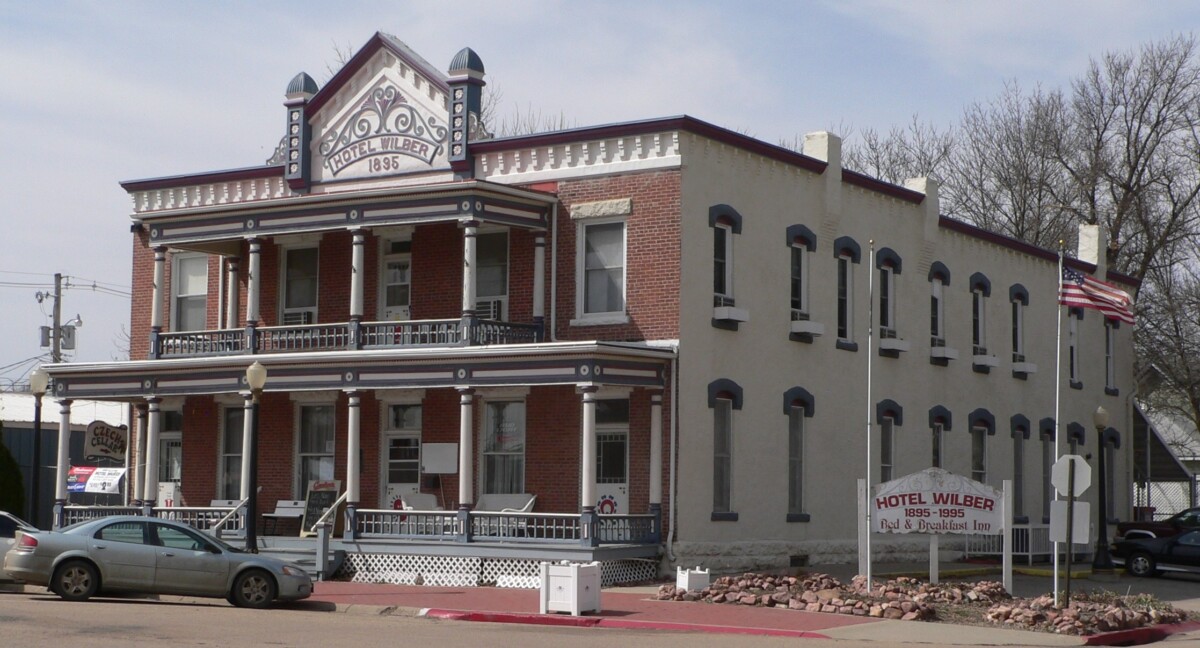
Wilber is a Nebraska town of 1,952 people at the 2024 Census Bureau estimate, known as the Czech Capital of Nebraska. In February 1962 four local citizens set out to build a Czech organization around four goals, one of them a tourist attraction, and the Wilber Czech Festival they created still runs every August.
Land that changed hands before the Czechs arrived
The Otoe-Missouria had settled near Salt Creek, a tributary of the Platte River, in eastern Nebraska. After the Kansas-Nebraska Act of May 30, 1854 they sold their remaining lands for 42.6 cents an acre, and after reservation sales in 1876 and 1881 were removed to Indian Territory. Wilber itself was platted in 1873 and named for Charles Dana Wilber, a geologist who helped the Burlington Railroad settle the area and attract European immigrants.
A festival written into the founding goals
In February 1962 four citizens, State Senator Joe T. Vosoba, Judge Eugene Zajicek, Pastor William Temps and Walter A. Baer, conceived a Czech organization with four stated goals: keep the culture, make Wilber the Czech Capital of Nebraska, hold an annual festival as a tourist attraction, and build a museum. The first festival that August drew 20,000 people, and its fifth year, in 1966, drew 60,000 over two days. A governor’s proclamation named Wilber the Czech Capital of Nebraska in 1963, and a state historical marker followed in 1965.
What the law actually says
The Czech consulate in Chicago says Congress named Wilber the capital of Czechs throughout the United States in 1987. The law itself, Public Law 100-69, mentions Wilber only in a whereas clause introducing a National Czech American Heritage Week, and confers no title. The presidential proclamation that followed does not mention Wilber at all.
The town today
Wilber’s ancestry has shifted with its economy. Czech ancestry is about 17.5 percent, behind German at 20.1 percent, with Hispanic residents at about 26 to 28 percent, and Saline County’s Hispanic population rose from 6.58 percent in 2000 to 28.5 percent in 2020. The festival keeps running on volunteers: the 65th Wilber Czech Festival is set for July 31 to August 2, 2026, the Czech Museum shows three levels of displays by appointment, and a bakery and a meat market still sell Czech specialties while polka plays from loudspeakers on the streets.
Questions people ask about Wilber
Why is Wilber, Nebraska called the Czech Capital?
In February 1962 four Wilber citizens set out to build a Czech organization with four goals, including making Wilber the Czech Capital of Nebraska and holding an annual festival as a tourist attraction. A governor's proclamation gave it that title in 1963.
Did Congress name Wilber the Czech capital of the United States?
Not officially. The Czech consulate in Chicago says Congress did so in 1987, but Public Law 100-69 mentions Wilber only in a whereas clause introducing a heritage week, and confers no title. The presidential proclamation that followed does not mention Wilber at all.
How many people visit the Wilber Czech Festival?
Reports vary. One outlet cites annual attendance of 30,000 to 50,000, while organizers expected upwards of 40,000 for the 2024 festival, run by a volunteer count that different outlets put anywhere from 300 to more than 1,000.
How many people live in Wilber, Nebraska?
Wilber had an estimated 1,952 residents in 2024, up from 1,855 at the 2010 census. Czech ancestry is about 17.5 percent of the population today, behind German at 20.1 percent.