
What Lindsborg is known for
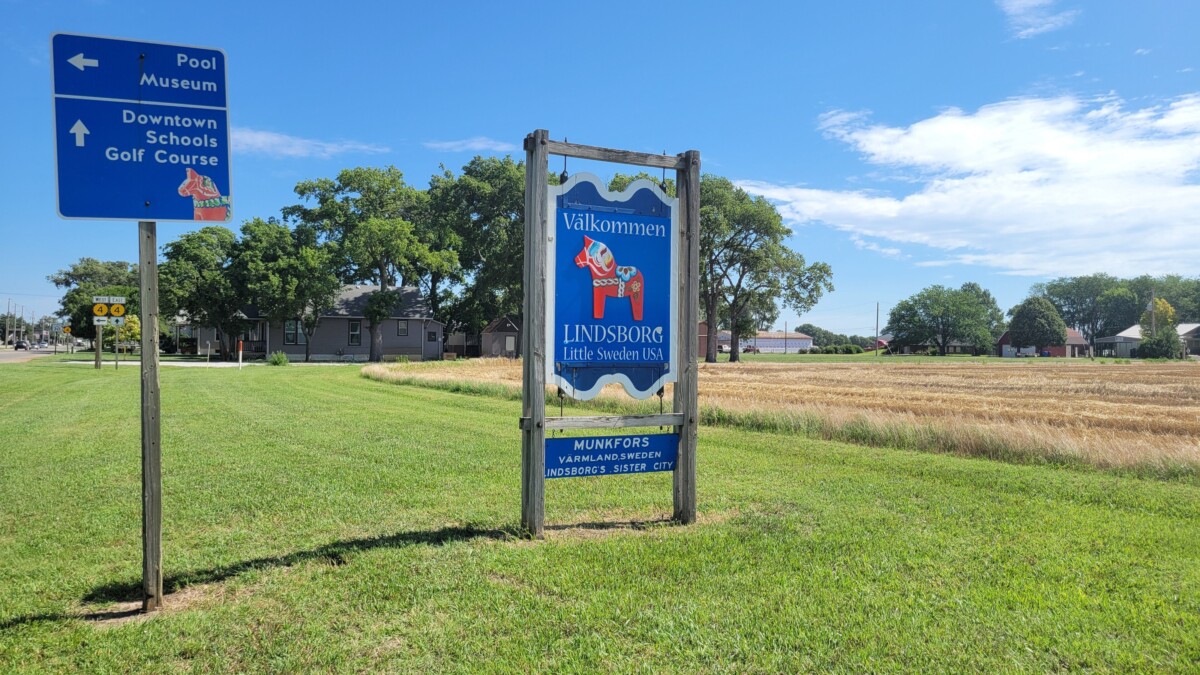
Lindsborg is a Kansas town of 3,776 people at the 2020 census, known as Little Sweden USA. Swedish immigrants settled it in 1869, and since 1941 the town has held Svensk Hyllningsfest, a biennial festival built to keep Swedish traditions alive.
Land settled before the Swedes arrived
Before Swedish settlement, the Wichita claimed south central Kansas, including present day McPherson County, and the Kanza, Pawnee, Osage and Wichita kept permanent villages with gardens of maize, beans, squash and pumpkin; the Comanche moved through the western part of the state. Between 1862 and 1868 the federal government surveyed Kansas for homesteading, and the Kansas Pacific Railway brought settlers faster. The First Swedish Agricultural Company, organized in Chicago in 1868, bought 13,168 acres from the railroad. Swede Anders Bengtson Carlgren had already arrived in 1864 and persuaded other young Swedes to claim land there; the organized colony, led by Pastor Olof Olsson, arrived in the spring of 1869.
A town that grew, then worried about losing itself
The town grew quickly by prairie standards. The Swedish Lutheran Bethany Church organized the same year, Lindsborg incorporated in 1879, and Bethany College opened in 1881, the same year as its Messiah Festival of the Arts. By 1941 city leaders noticed that Swedish traditions were being lost among the young. The festival they built was first planned around the 400th anniversary of Coronado’s expedition into Kansas before organizers redirected it toward Swedish heritage, and the dance group formed that year was called Swedish Folk Games at first, because community elders disapproved of dancing.
A festival kept alive by teaching it
Hyllningsfest still runs every other October, and about 400 students start learning its dances in first grade, with some high schoolers committing four years to the Lindsborg Swedish Folk Dancers. Its smorgasbord has featured 6,500 meatballs and 325 pounds of potato sausage. Geographer Steven M. Schnell found that only about one third of residents claim Swedish ancestry, and that non-Swedes dance and wear the costumes too; the storefronts along Lindsborg’s streets are faux-Swedish fronts built onto standard midwestern buildings, not preserved originals.
The horse that plays while the culture teaches
The red Dala horse, a real Dalarna handicraft tradition, became Lindsborg’s community symbol in the 1960s. Since 2000 the town has added a very different kind of horse: more than 30 fiberglass Wild Dala horses, each bought as a blank from an Ohio manufacturer for about $2,500, decorated by a local artist paid $500, and unveiled with street theater and parody songs. The Kansas Sampler Foundation named the herd one of the 8 Wonders of Kansas Customs.
Questions people ask about Lindsborg
Why is Lindsborg, Kansas called Little Sweden USA?
Swedish immigrants settled Lindsborg in 1869, and the town has marketed its Swedish heritage since 1941, when city leaders started Svensk Hyllningsfest after noticing that Swedish traditions were fading among younger residents.
Is everyone in Lindsborg actually Swedish?
No. Geographer Steven M. Schnell found that only about one third of residents claim Swedish ancestry, and that many non-Swedes also join the folk dancing and wear the traditional costumes during festivals.
What is the Wild Dala herd in Lindsborg?
It is a set of more than 30 fiberglass horse sculptures, each bought as an undecorated blank for about $2,500 and painted by a local artist paid $500. The Kansas Sampler Foundation named the herd one of the 8 Wonders of Kansas Customs.
How many people live in Lindsborg, Kansas?
Lindsborg had 3,776 residents at the 2020 census, up from 3,458 in 2010. About 400 local students begin learning the town's Swedish festival dances in first grade.