What Rühstädt is known for
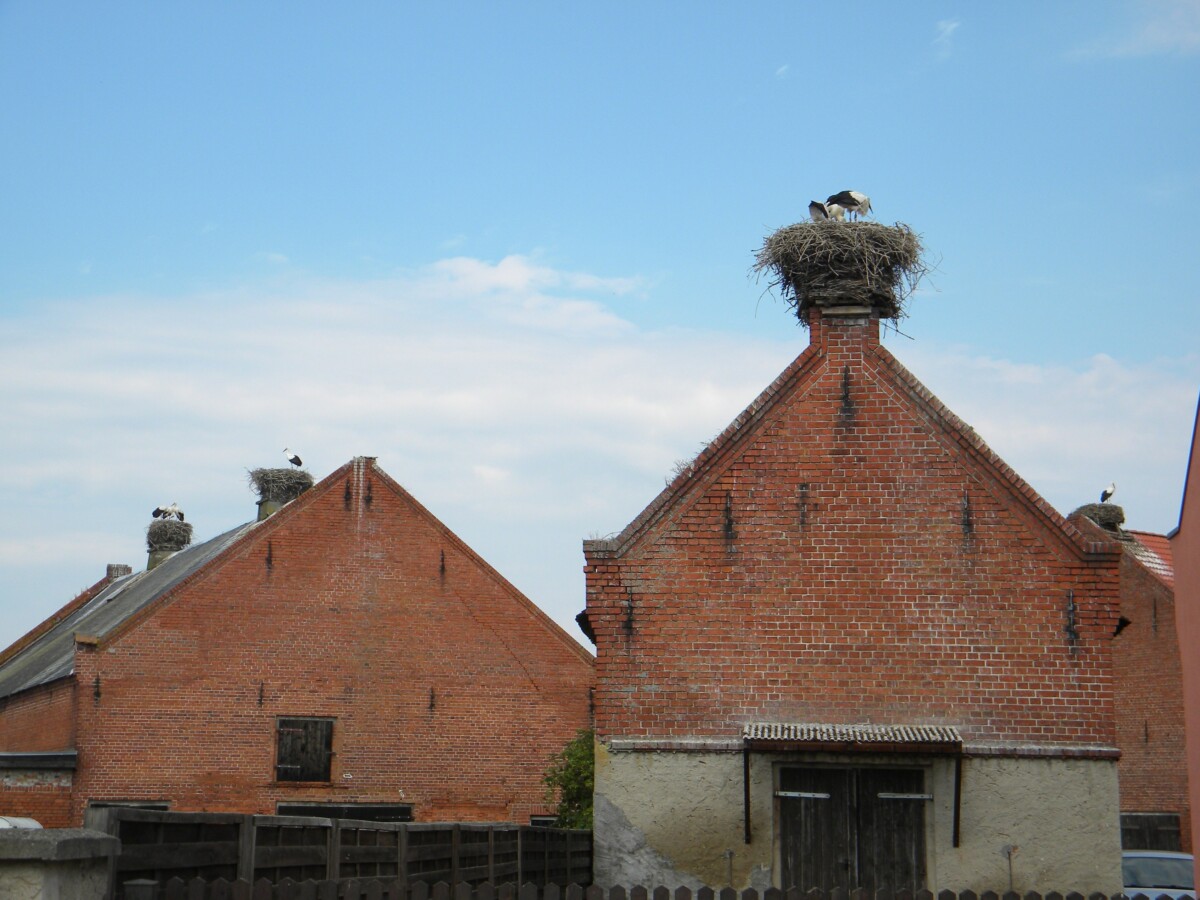
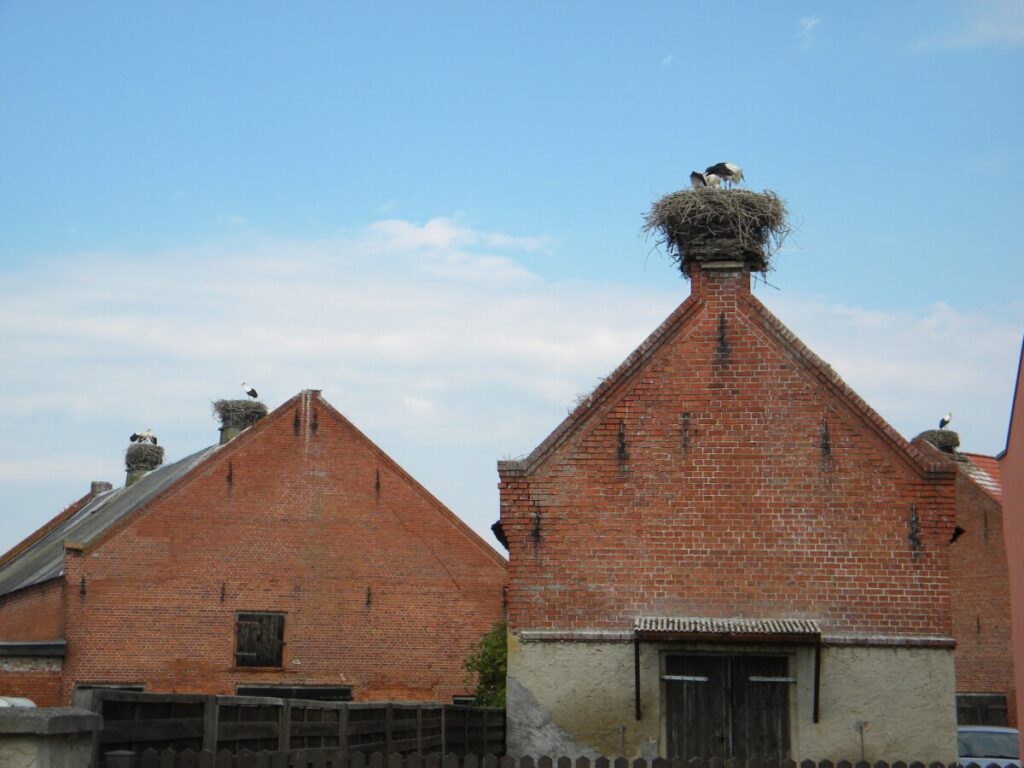
Rühstädt is a village in the Prignitz district of Brandenburg, about 12 kilometres southeast of Wittenberge, beside the Elbe floodplain. It is known as a European Stork Village: since 1952 wild white storks have nested on the water tower in its castle park, and in 1996 the village became Germany’s only European Stork Village.
Storks that residents helped, not owned
White storks are wild, protected birds that feed on the wet meadows of the Elbe floodplain. Residents in Rühstädt put up nesting aids in the GDR years, and the colony grew from 7 pairs in 1970 to 26 by 1990. The municipality buried most of its overhead power lines, residents formed a stork club to tend the nests, and some farmers mow their grassland in strips to leave feeding ground.
A title that rewarded old work
In 1990 ornithologists including Herbert Schulz founded a local NABU group, and in 1996 the Stiftung EuroNatur named Rühstädt a European Stork Village, a title it still holds as Germany’s only member of a network of 16. The visitor centre built in 1996 on a greenfield site needed time to be accepted, a NABU Brandenburg leader has said. The village celebrated 30 years of the title on 25 July 2026, alongside the Storchenfest’s fortieth year.
Numbers that rise and fall with the water
Rühstädt’s colony is counted every year. It peaked in 1996 at 44 pairs, the record number of pairs, which raised 73 young. By 2019 it held 26 pairs and 32 young, and in 2026 it counted 28 pairs, of which 14 raised 35 young. In 2022 only 19 young fledged, the fewest since the 1980s. German Wikipedia puts weekend visitors from April to August at 55,000 to 65,000, in a village of about 240 people in 2017.
Why the numbers are falling
The district’s volunteer stork caretaker, Falk Schulz, blames inadequate water retention: empty drainage ditches in spring, no more Elbe spring floods, and drier meadows that leave storks less to eat. The volunteer Storchenclub that once tended the nests has disbanded for lack of successors, so the work now falls to NABU and the municipality, under mayor Heike Warnke.
Questions people ask about Rühstädt
Why is Rühstädt known as a stork village?
Rühstädt is a Brandenburg village where wild white storks have nested on a restored water tower since 1952. Residents built nesting aids in the GDR years, and in 1996 the Stiftung EuroNatur named it Germany's only European Stork Village.
Did the 1996 title bring Rühstädt its visitors?
Not by itself. Residents had already built nesting aids and grown the colony from 7 pairs in 1970 to 26 by 1990, years before the title existed. German Wikipedia attributes 55,000 to 65,000 weekend visitors from April to August to the village.
Does Rühstädt own or control its storks?
No. White storks are wild, protected birds. Rühstädt's residents buried power lines, built nests and mowed grassland in strips to help them feed, but nothing can guarantee the storks return each spring, and numbers have fallen in recent years.
How many storks nest in Rühstädt now?
The colony peaked in 1996 at 44 pairs, a record that still stands. By 2026 it held 28 pairs, and in 2022 only 19 young fledged, the fewest since the 1980s, a decline blamed on drier meadows and fewer spring floods.