
What Torrington is known for
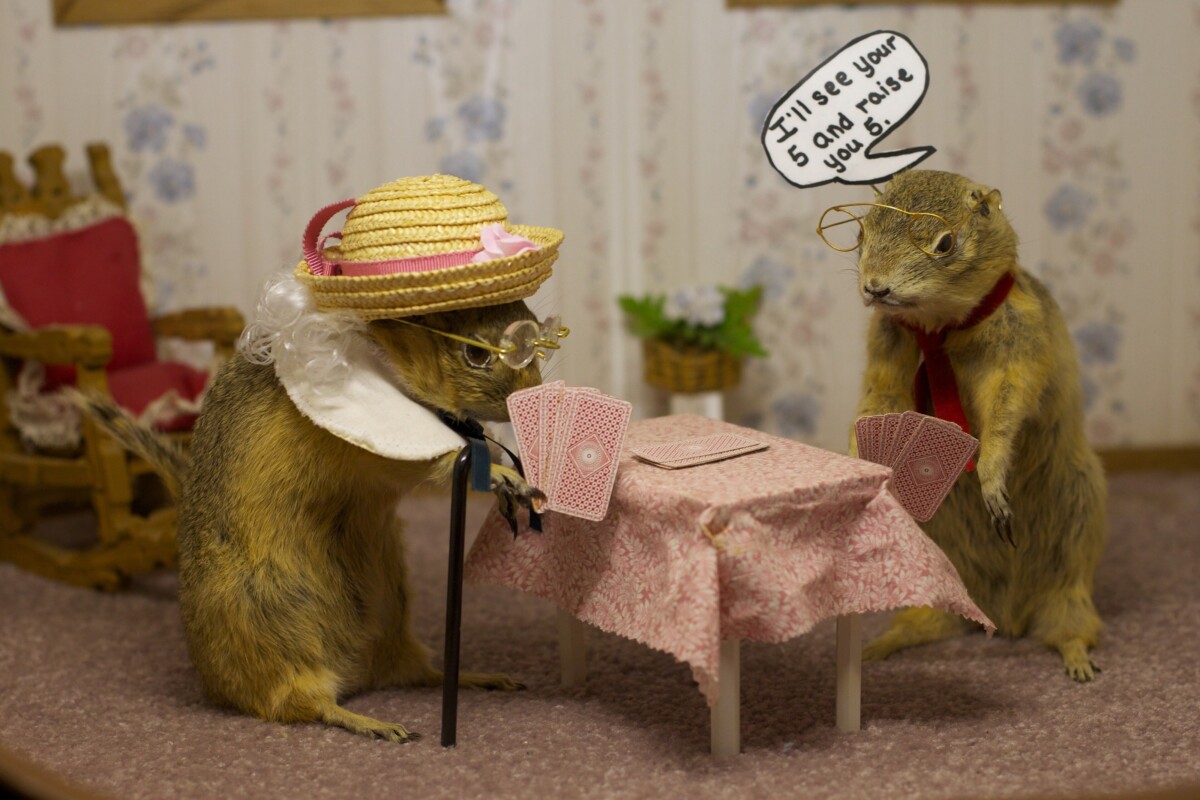
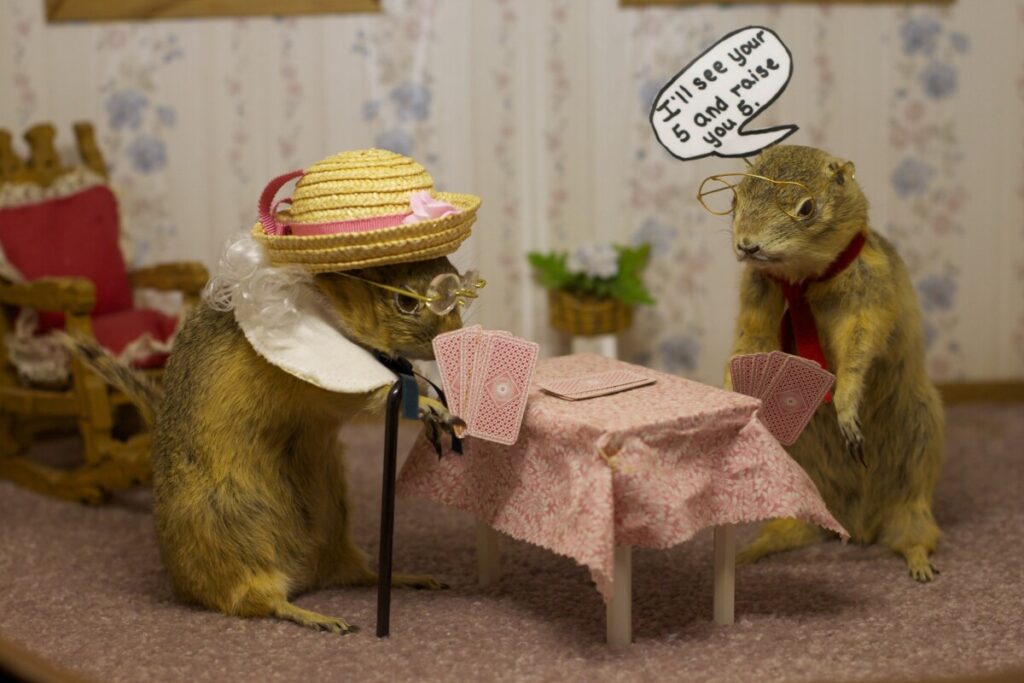
Torrington is a former Alberta village, now a hamlet of 306 people at the 2021 census, 160 km northeast of Calgary. It is known for the World Famous Gopher Hole Museum, which has displayed costumed, taxidermied gophers since 1996.
A railway town loses its reason to stop
This land had millennia of Indigenous presence before the Canadian Pacific Railway reached the site in 1929, when two grain elevators and a blacksmith shop went up; a chamber of commerce followed in 1931. The village sat at the junction of Highway 27 and Highway 805 in what is now Kneehill County, and in June 1996 the Associated Press put its population at 177. By then the railway had been decommissioned and the elevators closed; the tracks came up around 1996 and 1997, and the Village of Torrington itself was dissolved in 1997, becoming a hamlet.
A joke at the last meeting
The Alberta government offered small towns tourism project money from lottery proceeds, and Torrington’s one-time grant to create an attraction is widely reported as C$9,000, though no primary government record has been located. The village held three brainstorming meetings about what to build, and at the last of them, someone raised stuffing gophers as a joke. Torrington took the joke seriously. It already had a 12-foot gopher mascot, Clem T. GoFur, put up in 1991. Taxidermist Norman Oster prepared the animals, local women crafted most of the dioramas, and the museum opened in 1996 with 54 costumed gophers in 31 displays.
A live objection, and a museum that keeps growing
In 1995 PETA asked that prefabricated models replace real gopher bodies; organizers, in the town’s own telling, replied with a postcard telling them to get stuffed. That objection remains a live position, not a punchline: Richardson’s ground squirrels are still classified as a nuisance species under Alberta law, and Kneehill County still runs a control program against them. More than 10,000 people visited in the museum’s opening year, and a 2017 report put annual visitors above 6,000. Laural Kurta, whose parents founded the museum, now directs it; she took a taxidermy class to build new displays, including one honouring wildland firefighters, and says the museum’s historic buildings are failing.
A diorama that has not aged well
In 2021 scholar Lianne McTavish wrote that one scene in the museum, a gopher in a feathered headdress and loincloth beside a tipi, rehearsed stereotypes of Indigenous peoples; its label, which had read Indian Village, came off in 2018. No record of Indigenous consultation on the display, or any Indigenous response to it, has been found.
Questions people ask about Torrington
Why is Torrington, Alberta known for gophers?
Torrington is home to the World Famous Gopher Hole Museum, which has displayed costumed, taxidermied gophers since 1996. The village built the museum with a one-time provincial tourism grant after its railway and grain elevators closed.
How did the Gopher Hole Museum start?
Alberta offered small towns tourism project money from lottery proceeds, and Torrington held three brainstorming meetings about what to build. At the last meeting, someone raised stuffing gophers as a joke, and the village took it seriously, opening the museum in 1996 with 54 costumed gophers in 31 displays.
Did animal rights groups object to the Gopher Hole Museum?
Yes. In 1995 PETA asked that prefabricated models replace real gopher bodies, and organizers replied, in the town's own telling, with a postcard telling them to get stuffed. Richardson's ground squirrels remain a nuisance species under Alberta law, and Kneehill County still runs a control program against them.
Does the museum have a diorama some call offensive?
Yes. Scholar Lianne McTavish wrote in 2021 that one scene, a gopher in a feathered headdress beside a tipi, rehearsed stereotypes of Indigenous peoples. Its label came off in 2018, and no record of Indigenous consultation or response has been found.