How Rochester earned the score
Population 123,624 (Census Bureau 2024 estimate)
Situation William W. Mayo, a former union draftee medic, had to treat a city after a storm ripped through town, killing 37 and injuring around 200, with no hospital or clinic in the area.
Action He and his sons started St. Mary’s Hospital, funded by roughly $60,000 in donations from around the country, which grew into the Mayo Clinic and helped the surrounding city prosper.
Result Rochester became one of the top rated cities in the nation to live in, its economy sustained by ancillary businesses that serve the anchor and perpetuate a cycle of new visitors and residents.
Let’s Meet Rochester, Minnesota
Backstory
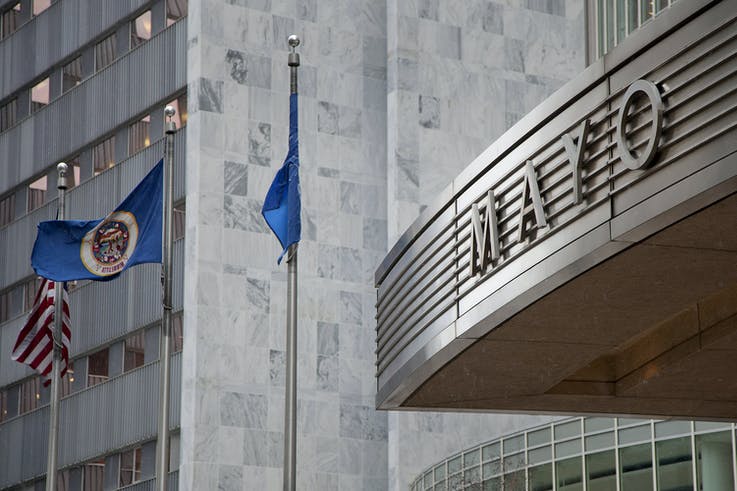
Rochester, Minnesota has long had a big portion of its draw from the Mayo Clinic. A hospital the world over known for being one of the best, if not the best. Rochester resides in Southeastern Minnesota with a population of about 116,000. It has long been rated as one of the best places to live in the United States.
It wasn’t always so however. Like many of these stories, it starts with the railroads and in this case bringing prosperity. Driven by the prosperity, a former union draftee medic by the name of William W. Mayo arrived. Twenty years later a storm ripped through town killing 37 and injuring another 200. With no hospital or clinic in the area, William and his sons set to treating everyone. Donations from around the country started pouring in. Total of around $60,000 or in today’s money around $1,567,054. This money went to opening the “St. Mary’s Hospital” which was to later become the Mayo Clinic.
For the purpose of this blog however, I do not want to focus on the Mayo Clinic but the ancillary businesses that help make the near involuntary tourists, the patients, stays and visits better. These patients, if they become healthy, may choose to move to the area or visit regularly because they love the area!

Community Resources
The example here is how creating ancillary businesses to the goliath businesses in town can help to sustain an economy. For example, The Mayo Clinic, Rochester’s biggest employer, employs some 35,000 people. A hospital of that size is going to have patients, visitors for those patients, family and friends in town, etc, which opens up an opportunity for hotels. Today the 9th largest employer is Kahler Hotels employing 680 people.

Entrepreneurial Opportunities
With such a prestigious medical institution there is a lot of learning opportunities. Many school groups have their medical division there like the University of Minnesota. These 4 to 8 year tourists often continue residing in Rochester even after their college years. Starting families and growing the city.
There are special medical housing situations that allow you to rent an apartment that is easy to get to from the operating table and offer special features depending on your ailment. For example, if you get a hip replacement, you will be given a ground floor room so you don’t have to do stairs. If your cancer treatment is going to take only a few months, that is all the longer your lease will be.
Such an institution has international draw. In 2013 there was a special bill called the “Destination Medical Center” that allowed for easier visits from international visitors like the Dalai Lama or the King of Jordan.
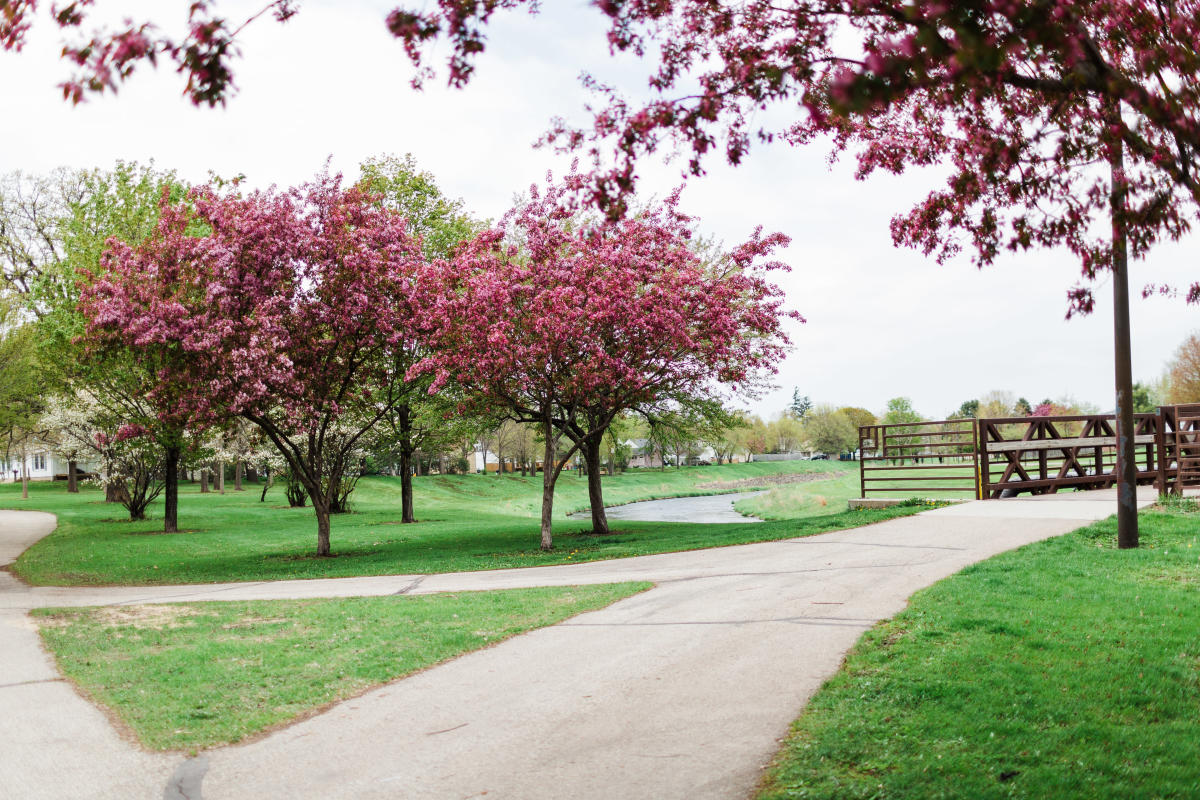
The opportunities can be much more basic too. With such a thriving community you get things like great city parks, extensive bike paths that lead to Lanesboro or Whitewater State Park. A nature center originally created by the hospital.
Rochester has many golf courses to support the wealthy tourists, doctors, nurses, administrators, medical devices salespeople, etc. So much so that 9 different courses are within the city limits making it one of the highest golf course cities per capita. Now this is likely skewed because these golf courses and the community is supported so heavily on temporary visitors but still. This in itself then becomes another tourist destination for people pulling avid golfers from local communities and Minneapolis itself.

Recap
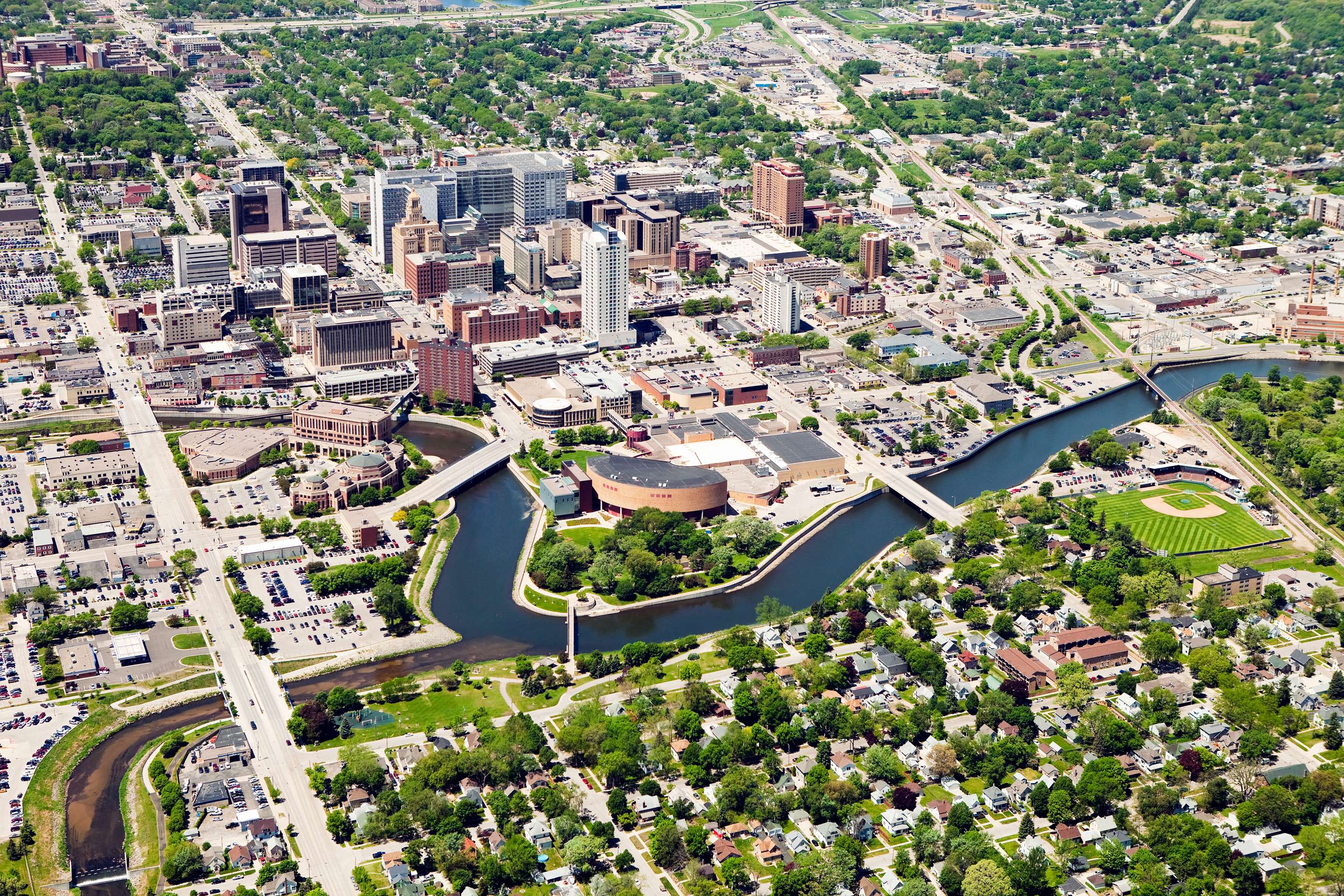
Rochester Minnesota is based around the Mayo Clinic and the wealth it brings to the community. Because of this wealth it supports many other local enterprises. These local enterprises then bring in more tourists or new residents to the area perpetuating the cycle. Encouraging entrepreneurs to creatively develop around the strong businesses in the area can prove fruitful for the entrepreneur and community. Well done people of Rochester!