How St. George earned the score
Population 106,289 (Census ACS 2024 5-yr), reaching roughly 107,424 in 2024 and growing near 2.72 percent annually.
Situation Founded in 1861 as part of the Cotton Mission, St. George long relied on agriculture and mining and faced rapid growth pressures by the late 20th century.
Action Leaders promoted outdoor recreation and the Zion gateway, expanded the regional airport and downtown, cultivated arts through Tuacahn and marquee events, and supported small business and healthcare.
Result Washington County contributed to Utah’s $10.56 billion in 2021 travel revenue, the population kept climbing, and Tuacahn and community events lifted the city’s national profile.
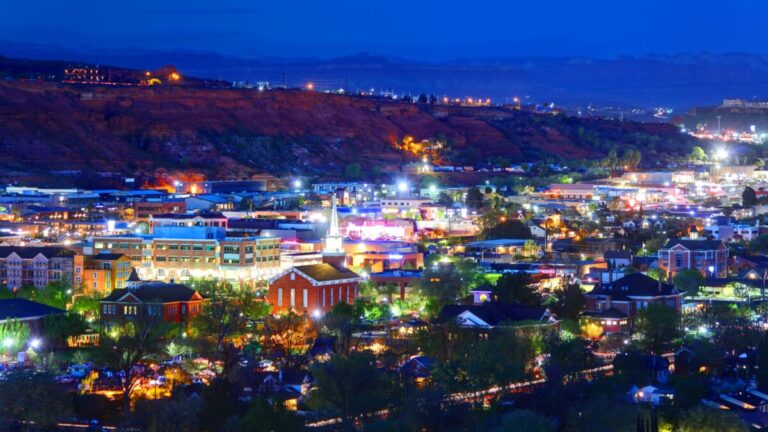
Let’s Talk About St. George, Utah’s Creative Tourism Developments
A Desert Oasis Blossoms into a Thriving Hub
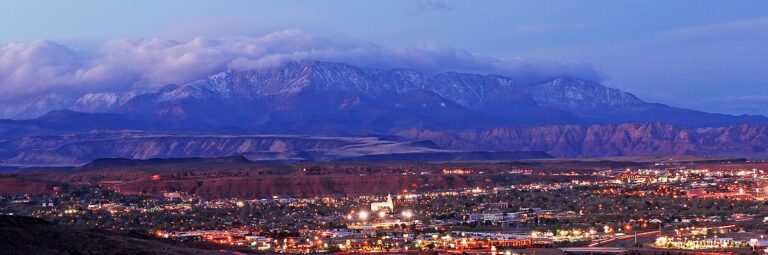
St. George, Utah, is a vibrant city in Washington County that has transformed from a desert outpost into a thriving destination for outdoor enthusiasts, culture seekers, and entrepreneurs. Surrounded by iconic natural landmarks such as Zion National Park and Snow Canyon State Park, the city has leveraged its geographical and cultural assets to achieve sustainable growth.
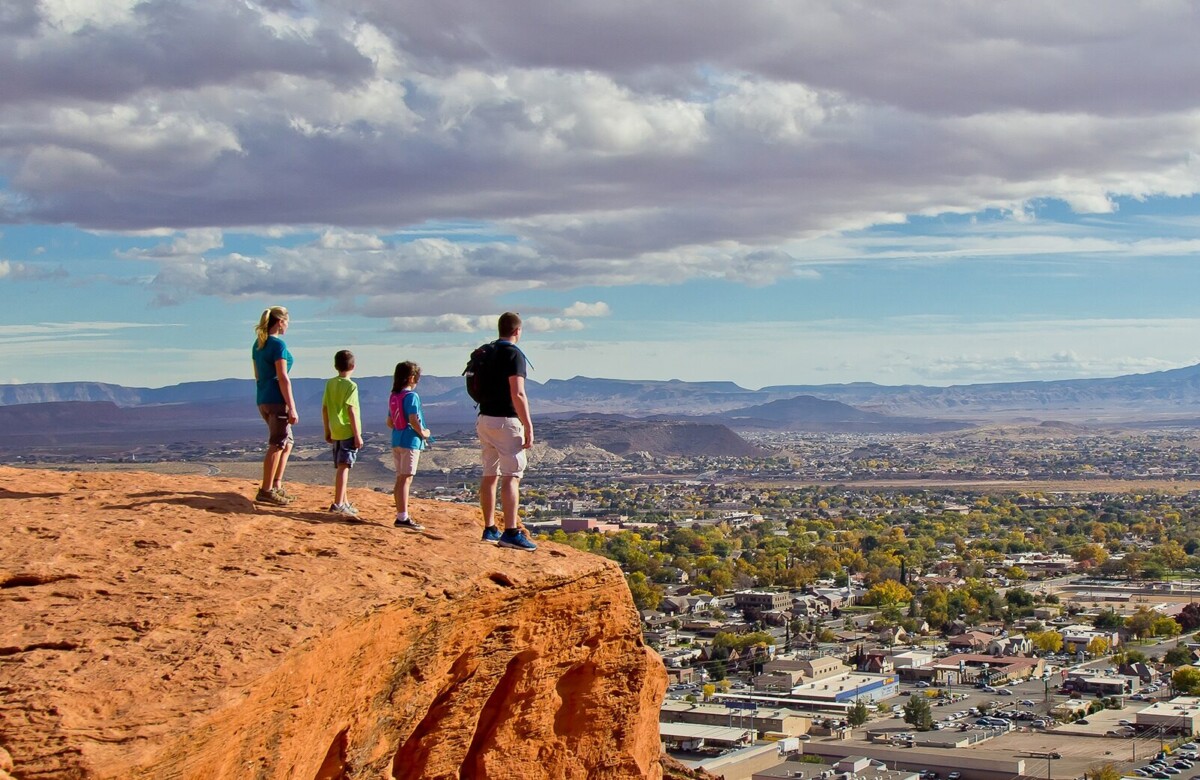
St. George is not only a gateway to world-class outdoor recreation but also a testament to how a city can balance rapid population growth with community-driven development.
Situation and History
Historical Roots
Founded in 1861 as part of the Cotton Mission, St. George was settled by pioneers who cultivated the region’s arid terrain. For much of its history, the city relied on agriculture and mining as its economic base.
The Need for Diversification
By the late 20th century, St. George faced challenges tied to its rapid population growth, including infrastructure demands, environmental preservation concerns, and a lack of diversified economic drivers. Recognizing its potential as a tourism and cultural hub, local leaders embarked on initiatives to expand the city’s economy while maintaining its natural charm.
Actions and Strategies Taken
1. Promoting Outdoor Recreation and Tourism
Leveraging National and State Parks: St. George positioned itself as the gateway to Zion National Park, which drew over 5 million visitors in 2021 (Utah Office of Tourism).
Enhancing Local Attractions: Investments in Snow Canyon State Park and the Red Cliffs Desert Reserve have created a variety of options for hiking, climbing, and nature exploration (Visit Utah).
2. Improving Infrastructure
Transportation Expansion: The St. George Regional Airport was expanded, improving air access for tourists (City of St. George).
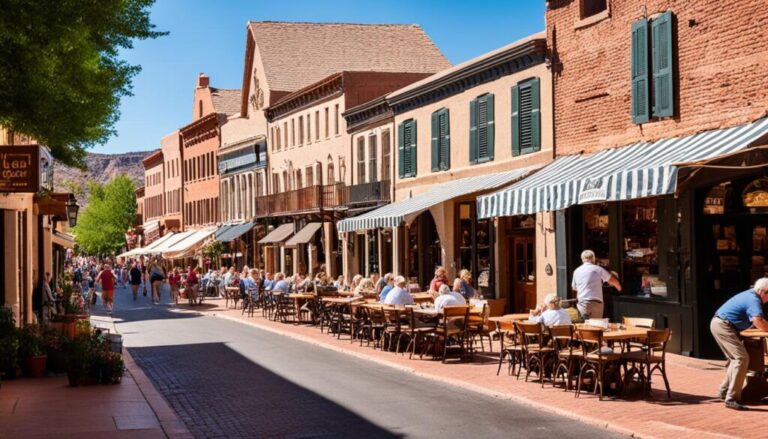
Downtown Revitalization: Revitalizing the downtown area enhanced public spaces and made it a central hub for commerce and community activities (City of St. George).
3. Cultivating Arts and Culture
Tuacahn Center for the Arts: This outdoor amphitheater has become a regional landmark, hosting Broadway-style productions (Visit Utah).
Annual Festivals: Events like the St. George Art Festival and the Ironman World Championship attract thousands of visitors each year (Greater Zion).
4. Supporting Economic Diversification
Small Business Growth: The St. George Area Chamber of Commerce has supported local entrepreneurs through training programs and grants (City of St. George).
Healthcare Expansion: The city’s robust healthcare industry has not only improved resident well-being but also attracted medical tourism (Greater Zion).
Results and Impact
St. George’s strategic actions have produced remarkable outcomes:
Population Growth: St. George’s population reached approximately 107,424 in 2024, growing at a rate of 2.72% annually (World Population Review).
Tourism Revenue: Washington County, home to St. George, reported substantial visitor spending, contributing to Utah’s $10.56 billion in travel revenue in 2021 (Greater Zion).
Cultural Impact: The Tuacahn Center for the Arts and community events have boosted the city’s global recognition and enriched local pride.
Why It’s a Model for Success
St. George demonstrates the power of aligning natural assets with strategic community investments. By fostering tourism, promoting arts and culture, and supporting local businesses, the city has created a blueprint for sustainable growth. Other towns in Utah and beyond can learn from St. George’s balanced approach to development.
For example, nearby Santa Clara, Utah, has adopted similar strategies while preserving its unique Swiss heritage.
FAQs About St. George
What makes St. George a top tourist destination?
St. George’s proximity to Zion National Park, Snow Canyon State Park, and its vibrant cultural events make it a must-visit location.
How has St. George balanced growth with sustainability?
Through strategic infrastructure investments, tourism management, and community engagement, the city has maintained its quality of life while expanding its economy.
What role does arts and culture play in St. George?
The Tuacahn Center for the Arts and annual festivals have elevated the city’s profile, drawing visitors from across the region.