
What Pacanów is known for
Pacanów is a small town in Poland’s Świętokrzyskie Voivodeship, home to 1,032 people at the end of 2024. It is known today as the European Capital of Fairy Tales, a title built on a Polish comic strip joke: the goat Koziołek Matołek wanders the world looking for Pacanów, the one place, the story says, where goats are shod.
An old market town, and a joke about it
Pacanów received Magdeburg town rights in 1265 and was for centuries a substantial market town. Kornel Makuszyński and Marian Walentynowicz created the comic Koziołek Matołek, whose hero travels through India, China, Africa, Afghanistan and the Moon trying to reach Pacanów, where he believes goats are shod. The comic gave Poland the saying ‘w Pacanowie kozy kują’, goats are shod in Pacanów, and made the town’s name a byword for nowhere.
A majority Jewish town, and its destruction
The 1921 census counted 2,598 residents in Pacanów, about 65 percent of them Jewish, and the town’s synagogue had been built in 1748. A ghetto was set up in April 1942, and in early October 1942 its remaining Jewish inhabitants were deported to the Treblinka extermination camp. The fairy tale branding built decades later makes no reference to that history.
The joke becomes an institution
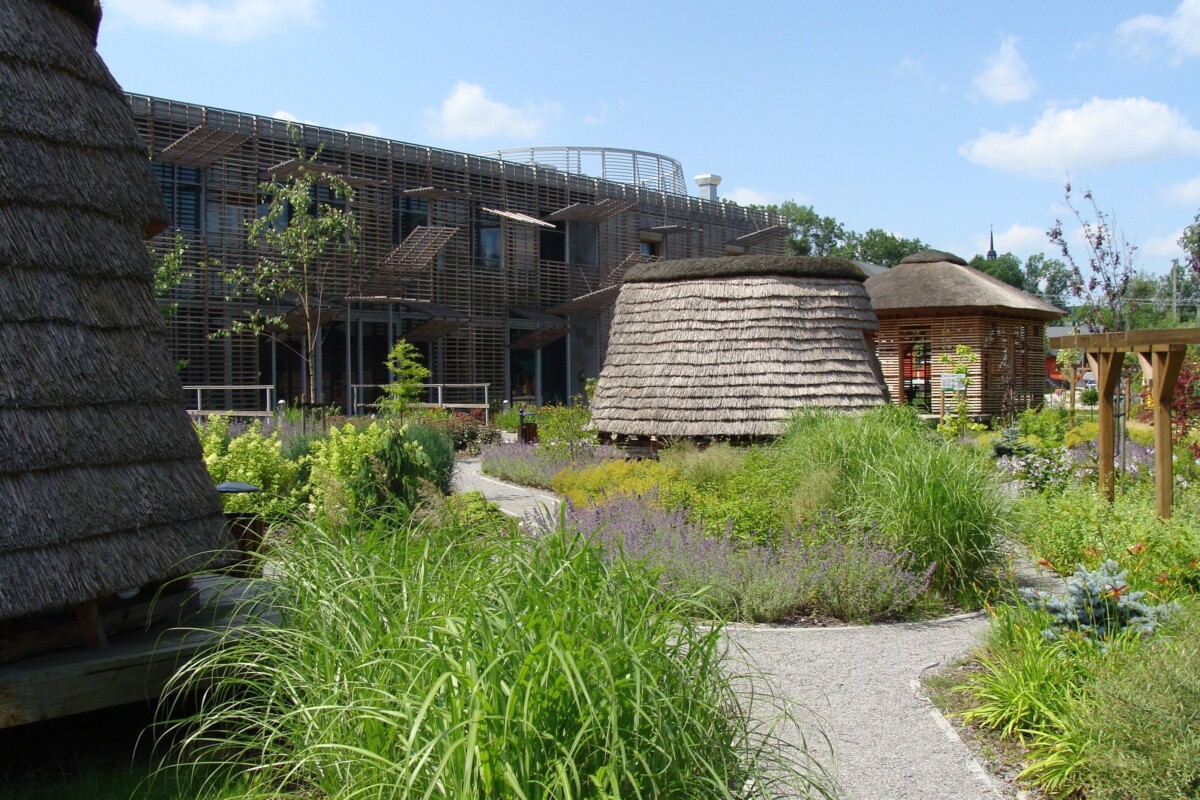
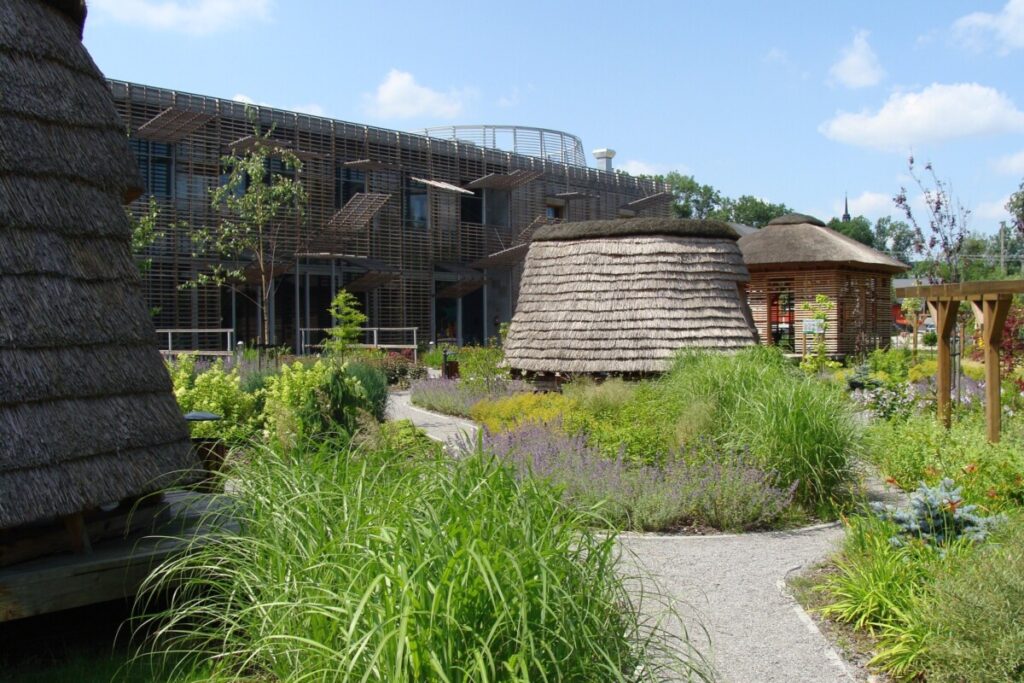
On 1 June 2003, Children’s Day, Culture Minister Waldemar Dąbrowski named Pacanów the European Capital of Fairy Tales, marking the goat’s seventieth anniversary. In 2005 the municipality and the Świętokrzyskie region founded a European Fairy Tale Centre, and its building, four towers shaped like children’s sandcastles, opened on 24 February 2010, at a cost of 29.5 million zloty.
How many people actually visit
The centre’s own count puts visitors at over 200,000 in 2023 and over 203,000 in 2025. Announcing a grant in March 2025, the region’s deputy marshal put annual visitors at over 56,000. No published source reconciles the two figures.
Questions people ask about Pacanów
Why is Pacanów called the European Capital of Fairy Tales?
A Polish comic strip sent the goat Koziołek Matołek on a journey to Pacanów, where he believed goats were shod. The joke made Pacanów's name a byword for nowhere, and in 2003 the culture minister named the town the European Capital of Fairy Tales.
Was Pacanów a Jewish town before the war?
Yes. The 1921 census counted 2,598 residents in Pacanów, about 65 percent of them Jewish, and its synagogue had stood since 1748. In early October 1942 the ghetto's remaining Jewish inhabitants were deported to the Treblinka extermination camp.
How many people visit the European Fairy Tale Centre?
The centre itself reports over 200,000 visitors in 2023 and over 203,000 in 2025. A regional official announced a different figure in March 2025, over 56,000 visitors a year, and no published source reconciles the two counts.
When did the Pacanów fairy tale centre open?
The European Fairy Tale Centre, designed by architect Bogdan Kulczyński with four towers like children's sandcastles, opened on 24 February 2010. It cost 29.5 million zloty, funded by European, national and regional money.