
What Elista is known for
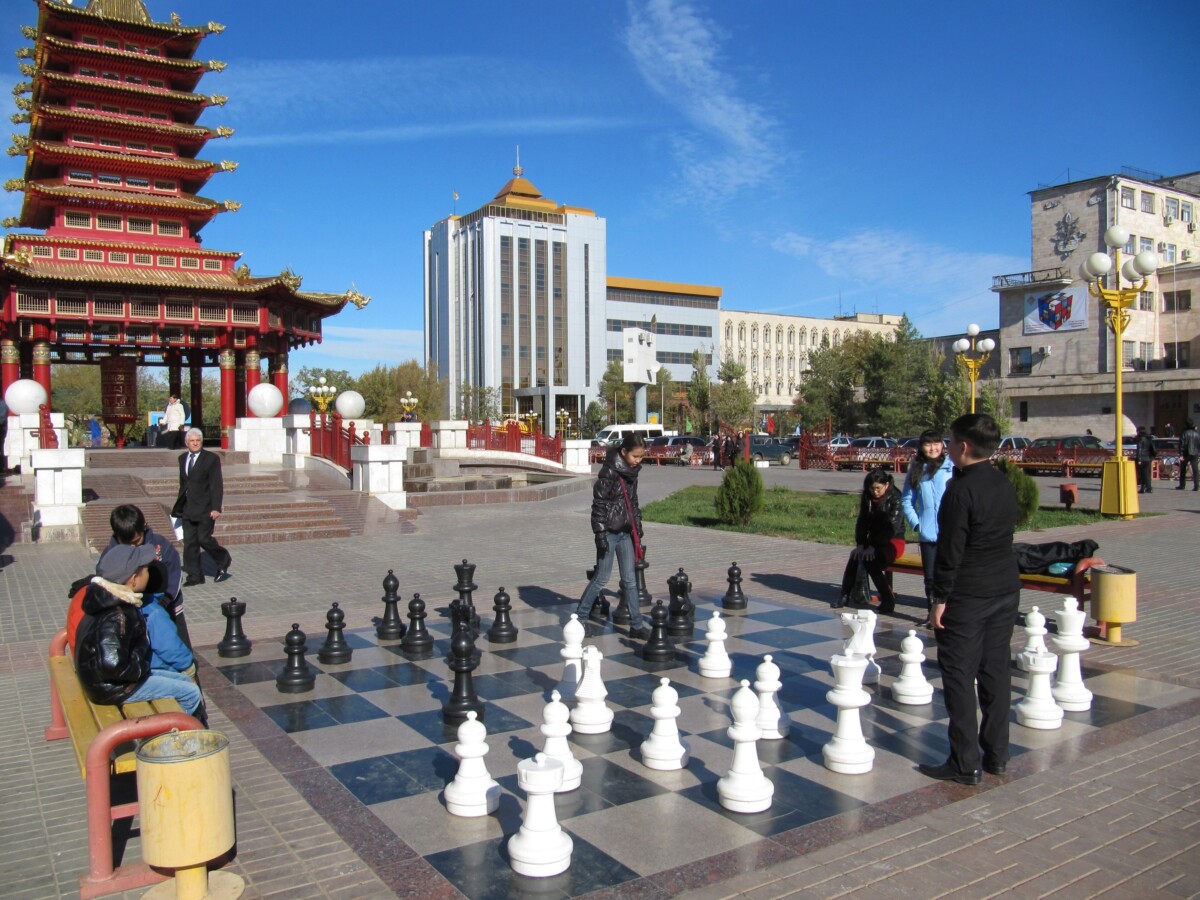
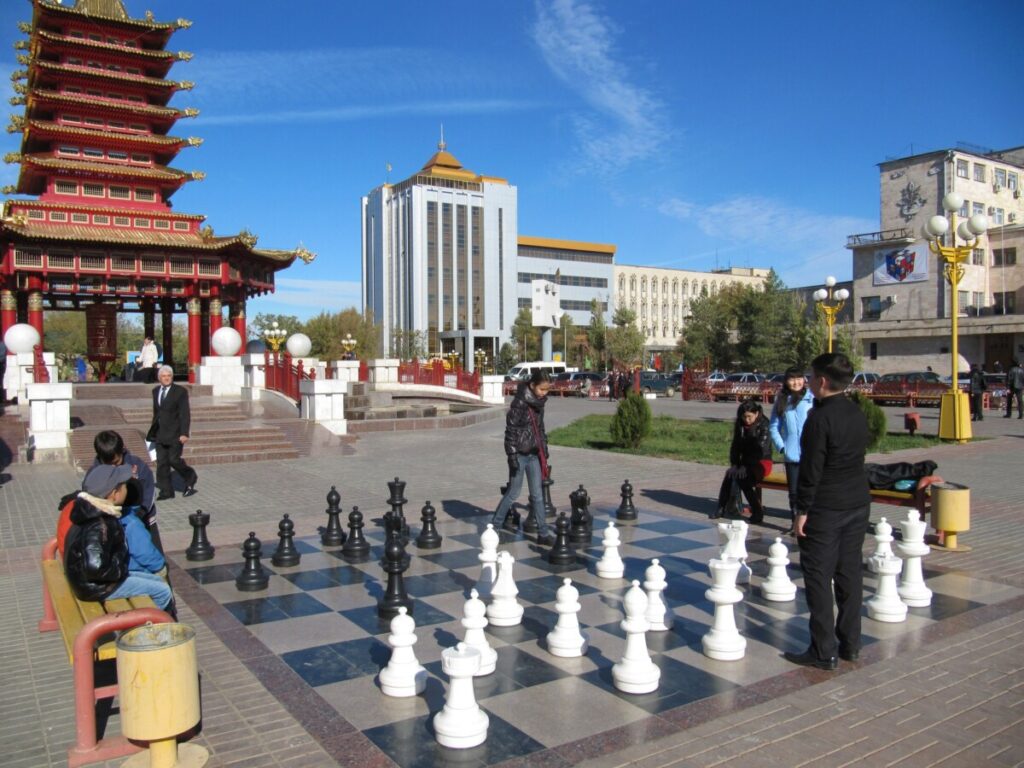
Elista is the capital of the Republic of Kalmykia, in southern Russia, founded in 1865 on the Kalmyk steppe. It is known today for Chess City, a district of cottages and a domed palace built in the 1990s around a single Olympiad, and for the fact that the palace itself has stood unused since 2019, its facade failing while a regional ministry decides whether to repair it or tear it down.
The 1943 deportation
On December 27, 1943, the Soviet government dissolved the Kalmyk Autonomous Soviet Socialist Republic and deported the Kalmyk people to Siberia, renaming Elista Stepnoy and resettling it with Russians. In the four days of the deportation, called Operation Ulusy, more than 93,000 Kalmyks, along with non-Kalmyk women married to Kalmyk men, were sent to Siberia, and at least 16,000 died en route or in exile. Survivors were allowed home only in 1957, when the name Elista was restored.
One president's chess city
In 1993 Kirsan Ilyumzhinov was elected president of Kalmykia; his first decree made chess compulsory in the republic’s schools, the only place in the world where this was so. Two years later he became president of FIDE, the international chess federation, a post he held for 23 years. For the 1998 Olympiad his government built Chess City, a complex of cottages, a conference center and a museum of Kalmyk Buddhist art around a domed Chess Palace shaped like a traditional Kalmyk kibitka.
The palace was still under scaffolding when the 33rd Chess Olympiad opened in September 1998, and residents reportedly lent furniture to fill the district’s empty houses. Chess City went on to host the 2004 Women’s World Chess Championship and the 2006 World Chess Championship.
A ruler's reason to visit, and its costs
Larisa Yudina, an opposition newspaper editor investigating offshore tax exemptions tied to Ilyumzhinov, was found stabbed to death in Elista in June 1998; two of his government’s aides were convicted. In 2015 the United States sanctioned Ilyumzhinov for helping the government of Syria. The Golden Abode of Buddha Shakyamuni, the largest Buddhist temple in Russia and Europe, opened in Elista in December 2005; Ilyumzhinov dedicated it to the Kalmyks who died in the deportation, on the anniversary of the republic’s abolition. Kalmykia remains the only polity in Europe where Buddhism is the majority religion.
Elista today
Kalmykia’s tourism agency reported more than 460,000 visitors in 2024, most drawn by tulip and lotus festivals rather than by chess; guests staying overnight in the region’s hotels and glampings were separately estimated at 99,600 that year. Elista’s own population was 102,583 at the 2021 census.
Questions people ask about Elista
Why is Elista, Russia famous?
Elista is known for Chess City, a district built in the 1990s by Kalmykia's president Kirsan Ilyumzhinov for the 1998 Chess Olympiad. Its central Chess Palace, shaped like a traditional Kalmyk kibitka, has stood unused since 2019, and Kalmykia remains the only part of Europe where Buddhism is the majority religion.
What happened to the Kalmyk people in 1943?
On December 27, 1943, the Soviet government dissolved the Kalmyk republic and deported more than 93,000 Kalmyks to Siberia within four days; at least 16,000 died en route or in exile. Elista was renamed Stepnoy and repopulated with Russians, and survivors were allowed home only in 1957.
Is the Chess Palace in Elista still used?
No. The Chess Palace has stood unused since 2019, its facade failing, and Kalmykia's regional government must decide whether to repair it or tear it down. The wider Chess City complex, built for the 1998 Olympiad, still includes a conference center and a museum of Kalmyk Buddhist art.
What is the Golden Abode of Buddha Shakyamuni?
The Golden Abode is a working Buddhist temple in Elista, the largest in Russia and Europe. It opened in December 2005 on the anniversary of the Kalmyk republic's abolition, and Kirsan Ilyumzhinov dedicated it to the Kalmyks who died in the 1943 deportation.