
What Crestone is known for
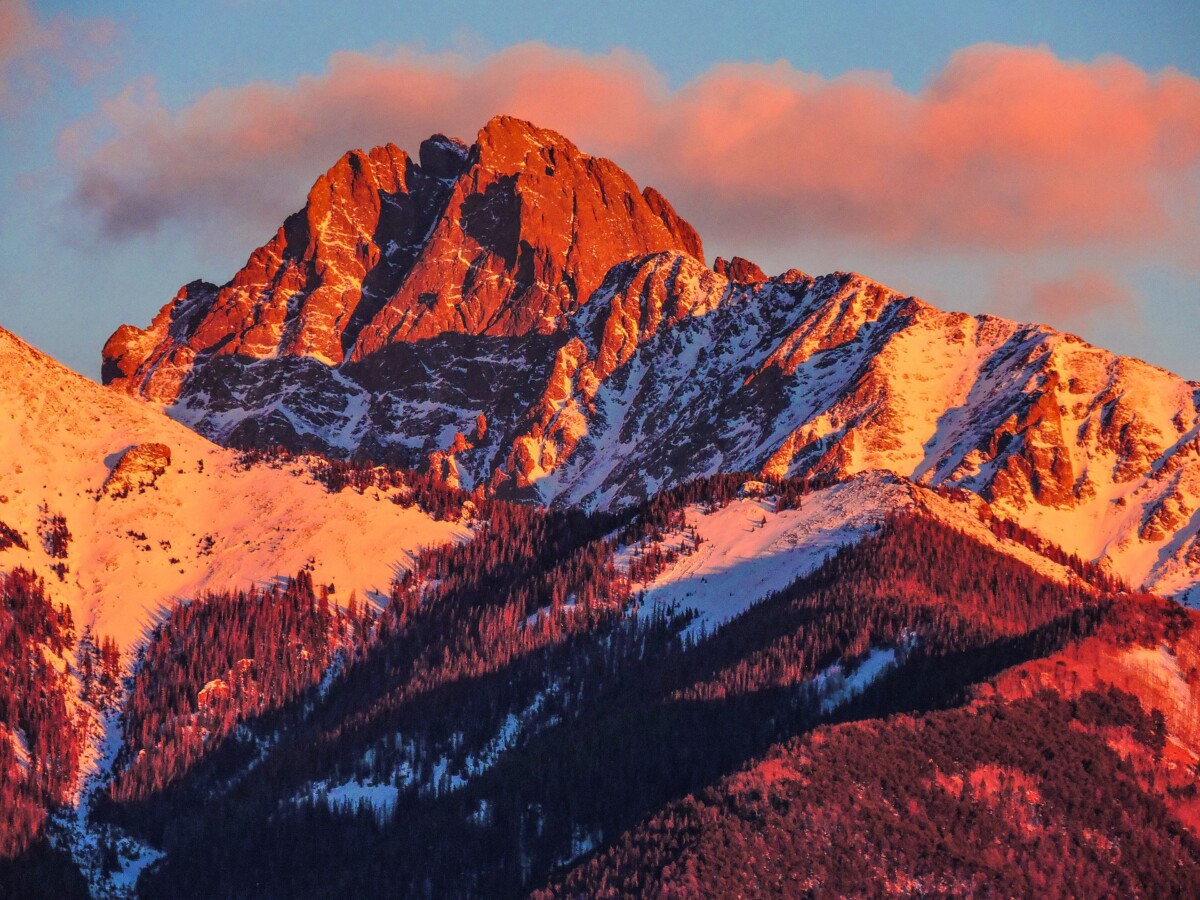
Crestone is a high desert town of 141 residents in 2020, at the foot of the Sangre de Cristo range. A stalled subdivision’s owners granted land to spiritual orders, and Colorado’s tourism office now calls the area a spiritual capital for world religions. The 14 named spiritual centers sit mostly in the adjacent Baca Grande.
A subdivision that would not sell
In the 1970s a developer platted the Baca Grande, a subdivision of roughly 10,000 lots carved into sagebrush below the Sangre de Cristo range. Sales lagged. The San Luis Valley is among the highest, driest, coldest basins in Colorado, and by 1979 the corporation counted the development a liability.
Human use in this valley runs back over 12,000 years. The Capote band of the Ute held it until their removal in 1868, and Hispano settlers came north from the 1850s. Crestone was platted in 1880 as a gold camp and incorporated in 1902, and was down to 34 residents at the 1970 census. No highway serves it.
Granting land to spiritual orders
The owners chose another use. Hanne and Maurice Strong, who held the land through the Arizona-Colorado Land and Cattle Company, began granting parcels to spiritual organizations in 1979 and ran the program through their Manitou Foundation, from Carmelite nuns to Tibetan Buddhists. Stupas and ashrams multiplied.
What the grants earn
Colorado’s tourism office calls the area a spiritual capital for world religions. The town held 141 residents at the 2020 census, and the 14 named centers sit mostly in the adjacent Baca Grande, with several hundred homes. Since 1998 a local nonprofit has cremated over 75 people on open-air pyres, county residents only.
Why it worked
It worked because the owners found a use for stalled land, and because the range was already sacred. Blanca Peak is one of the Navajo’s four sacred mountains, Sisnaajini, and the Southern Ute, Jicarilla Apache and Tewa-speaking pueblos hold sites here.
Easier uses ran on beside the grants: homes sold, the Aspen Institute and a Colorado College campus took land, and in 2002 the Baca Ranch sold for $31.28 million.
Questions people ask about Crestone
Why is Crestone, Colorado famous?
Crestone is known for its spiritual centers. Colorado's tourism office calls the area a spiritual capital for world religions, and the 14 named centers sit mostly in the adjacent Baca Grande, where owners began granting parcels to spiritual organizations in 1979.
Who granted land to spiritual groups in Crestone?
Hanne and Maurice Strong, who held the land through the Arizona-Colorado Land and Cattle Company, began granting parcels to spiritual organizations in 1979. They ran the program through their Manitou Foundation, from Carmelite nuns to Tibetan Buddhists.
How many people live in Crestone?
Crestone held 141 residents at the 2020 census and 34 at the 1970 census. The town was platted in 1880 as a gold camp and incorporated in 1902, and no highway serves it.
Who used the valley around Crestone before the subdivision?
Human use in the valley runs back over 12,000 years. The Capote band of the Ute held it until their removal in 1868, and Hispano settlers came north from the 1850s. Crestone itself was platted in 1880 as a gold camp.