How New Glarus earned the score
Population 2,238 (US Census 2020)
Situation Long known for its Swiss roots, the local economy centered on cheese making and evaporated milk until the milk company closed in 1962 and took the town’s largest employer with it.
Action The village doubled down on heritage architecture and a single-country Swiss theme, rebuilding itself as a slice of Switzerland in the Midwest.
Result New Glarus became a living piece of Swiss-American history and the crown jewel of Green County’s $46.2 million in direct tourism spending, drawing thousands of visitors including hundreds from Switzerland.
Let’s meet the village of New Glarus
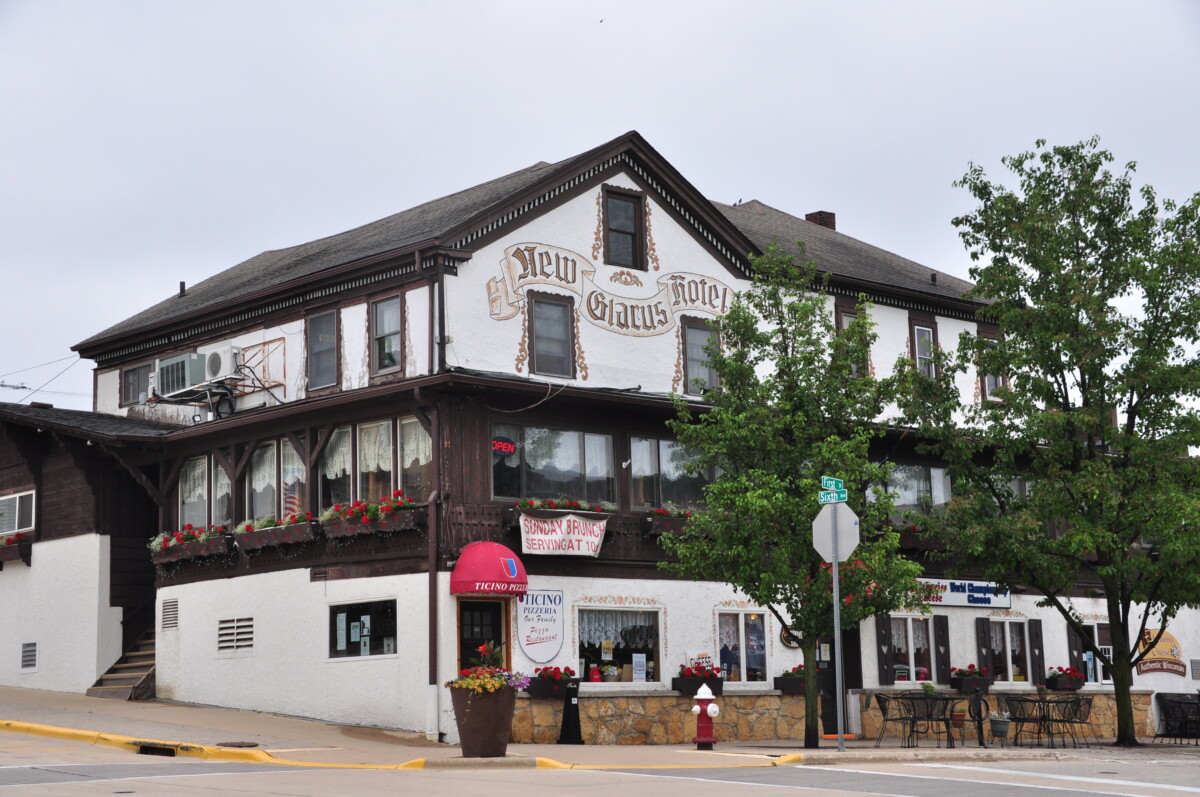
Long known for its Swiss roots, the local economy centered around cheese making and evaporated milk until the cannery moved out of town and the milk supply with it. The town had to re-establish an identity for their local economy and leaned hard into their nickname of Little Switzerland. The result: New Glarus became a charming, and living, piece of Swiss-American history.
Settled on the intersections of State Highways 39 and 69, deep in the woods of Green County, Wisconsin, you will find the Village of New Glarus. If you find yourself here, you may think you missed the left turn at Albuquerque and ended up in Europe, but the town known as “Little Switzerland” has a unique past that earns this town its nickname.
How the Glarners crossed the Atlantic
Adorned with Swiss architecture, chalets, and with the Swiss flag proudly displayed everywhere, this small outskirt to Madison, Wisconsin has a very interesting story for how it helps uphold the State of Wisconsin’s reputation as the beer and cheese state.
In order to understand who the Glarners of New Glarus are, we have to step back in time to the early 1840s in the Canton of Glarus, Switzerland. With crops failing and jobs scarce, the local government authorities established an emigration society to find land in America to help ease the stress on the local food supply and economy.
Two men, Nicolas Duerst and Fridolin Streiff, were sent overseas to the United States with $2,600 to purchase land and establish a new settlement. These men began their search in the Midwest of the United States in Ohio. Eventually covering Indiana, Illinois, and Missouri before deciding on land just across the Illinois border in Wisconsin that was allegedly chosen for the hills and valleys that resembled their native land in Switzerland (minus the mountain goats).
When word got back to Switzerland, more than 100 families left their homes and headed across the Atlantic to find new opportunities in America. On their way to meet friends in New York City, swindlers in Rotterdam re-routed the emigrants instead to Baltimore. Alone and lost, the families headed west and whether it be fate or luck, somehow ended up in Galena, Illinois, the last stop for Duerst and Streiff before heading the 65 miles north to New Glarus.
Their first winter was spent cold and hungry, and served as a vivid reminder of what they had left behind them at home in Switzerland. Meat and bread were hard to come by, and most of the sustenance was a Swiss dish of potatoes and Parmesan cheese known as rösti. In the following spring, the first heads of cattle were purchased and the agricultural lives of the New Glarners began.
Despite their new independence from their homeland in Switzerland, the New Glarners remained deeply connected to Switzerland and the happenings in the Canton of Glarus. When a fire destroyed hundreds of homes in the Town of Glarus, New Glarus sent thousands in aid. Again, about 15 years later, when a landslide killed over a hundred in the Town of Elm, New Glarners sent over $20,000 in aid. To this day, New Glarus has strong ties to their origins in Switzerland.
Economic establishment and destabilization
The local economy of New Glarus began as soon as the first head of cattle arrived in the village. Learned from their fathers and forefathers, the Glarners were naturals at the Swiss art of making cheese. The area’s first Limburger cheese plant was soon built and then followed by the first Swiss cheese plant in the United States. Of course, this rising tide also lifted the boats of the area’s dairy farmers.
Soon becoming dubbed “Cheese Capital of the World”, and perhaps lending to Wisconsin’s reputation for beer and cheese, New Glarus saw the cheese production industry peak at over 20 cheese production factories in the area. Eventually, the tide of the cheese industry would ebb when an evaporated milk company moved into town and became the area’s largest employer. The Helvetia Milk Company dried up a lot of the milk resources being used to make cheese in the area, leaving only a shadow of the turophilic euphoria that came before.
During World War I, the stigma associated with speaking German and Germanic cultures caused the locals to begin to print the New Glarus Post in mostly English instead of Swiss-German and caused many German-language books to (in perhaps a foretelling) be destroyed. Soon after, like the rest of the country, the local economy began to struggle during the downturn of the Great Depression. Followed up by the strain of World War II and increased prices of metal, the milk company began to struggle and eventually was forced to close and relocate production in 1962.
The village was in distress and in need of a way to remain a viable place to build a future and a family. In a move that may have been a little risky given the views of many Americans on Germanic speaking cultures at the time, the Glarners decided to lean into their roots and establish themselves as a way to visit the essence of Switzerland without travelling across the pond.
Rebuilding as a tourist destination
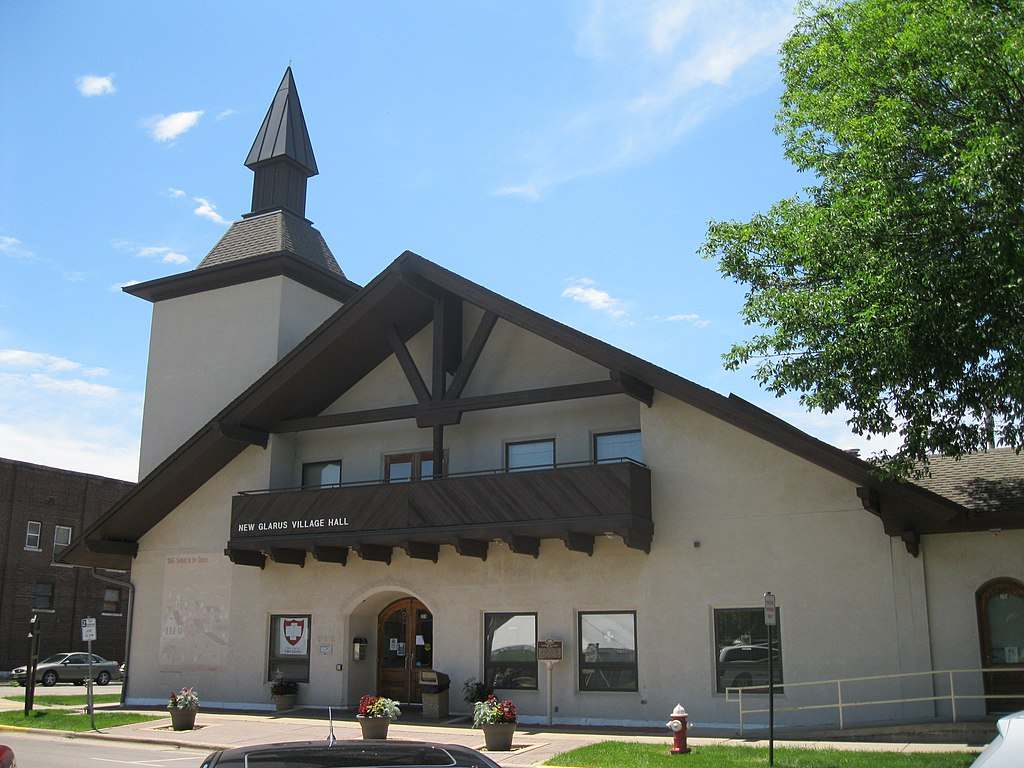
Seeking to establish itself as a tourist destination, New Glarus set forward to become a slice of Switzerland in the Midwest of the United States. Most of the locals now had to commute to Madison, Wisconsin to support their families. There were, however, still those who had stayed behind to carry on the New Glarus reputation as Little Switzerland.
For example, someone has to curate the Swiss Historical Village Museum. Open after Memorial Day through mid-October, this museum offers an immersive experience as a villager in the Swiss community in the 1850s, as well as preserved artifacts from the original village.
You can also visit the Chalet of the Golden Fleece, one of only three reconstructions of Swiss-style chalets on the National Register of Historic Places for its excellence and authenticity, as well as a collection of many cool items collected by the man who lived here, Edwin Barlow. In what other Swiss chalet can you find earrings once belonging to the Empress Carlota of Mexico, alongside a mysterious spy ring with a secret compartment for poison?
If museums aren’t your cup of tea, how about raising a stein instead? The local mainstay brewery, the New Glarus Brewing Company, brews beers famous statewide such as Spotted Cow that can only be found in the State of Wisconsin due to Federal alcohol regulations. Founded in 1993, it is also the oldest brewery in the New Glarus area.
The last Limburger factory in America
Not cheesed about the idea of visiting a brewery? That’s okay, too; the locals are still cranking out the curds. New Glarus is actually home to the last remaining Limburger cheese factory in the United States.
There are plenty of other options to visit as well, such as the award-winning Edelweiss creamery. This cheese shop produces real Swiss cheese in a copper vat that they claim makes the nutty flavor of Swiss cheese just right. They also serve the local cheese-making community by allowing other cheese-makers to have space in the cheese case. You can find over 100 different brands of local cheese here, making this a great place to sample all that the local cheese-making community has to offer.
Why other towns should follow New Glarus’s lead
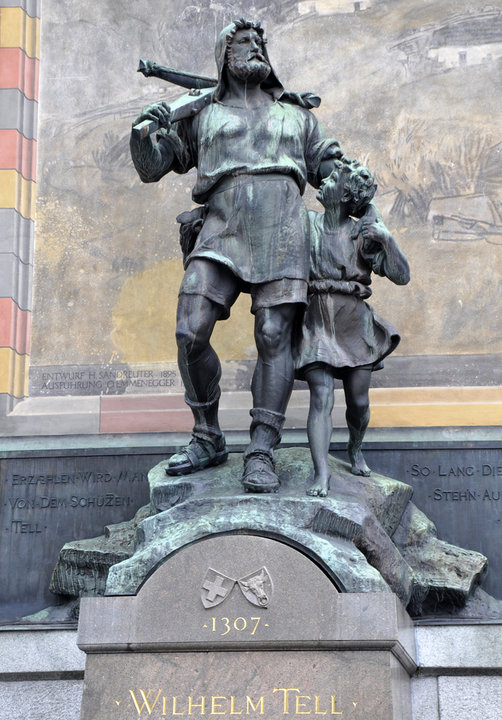
If you really want to get a taste of Switzerland, try attending during the Wilhelm Tell festival. Living out the tale of Swiss folk hero Wilhelm Tell, who is probably most famous for the oft-repeated scene of being forced to shoot an arrow through an apple placed on top of his son’s head (the second Looney Tunes reference). From pageants and dancing to a performance telling the story of Wilhelm Tell, featuring one of the original actors from when Edwin Barlow brought the festival to New Glarus, you will be entertained for an entire weekend and have plenty to talk about afterward.
These festivals and historic attractions don’t just add up to big flavor and big entertainment, but also to big economic impacts. Before the impact of the COVID-19 pandemic struck tourism everywhere in the world, the Village of New Glarus was the crown jewel in the $46.2 million dollars of direct consumer spending from tourism in Green County, Wisconsin, with thousands of visitors, including hundreds making the trip from Switzerland.
New Glarus may be a small town, but it is a small town with a big history and a solid foundation upon which they have built a small slice of the world into a smaller slice of America.