What Whittlesey is known for
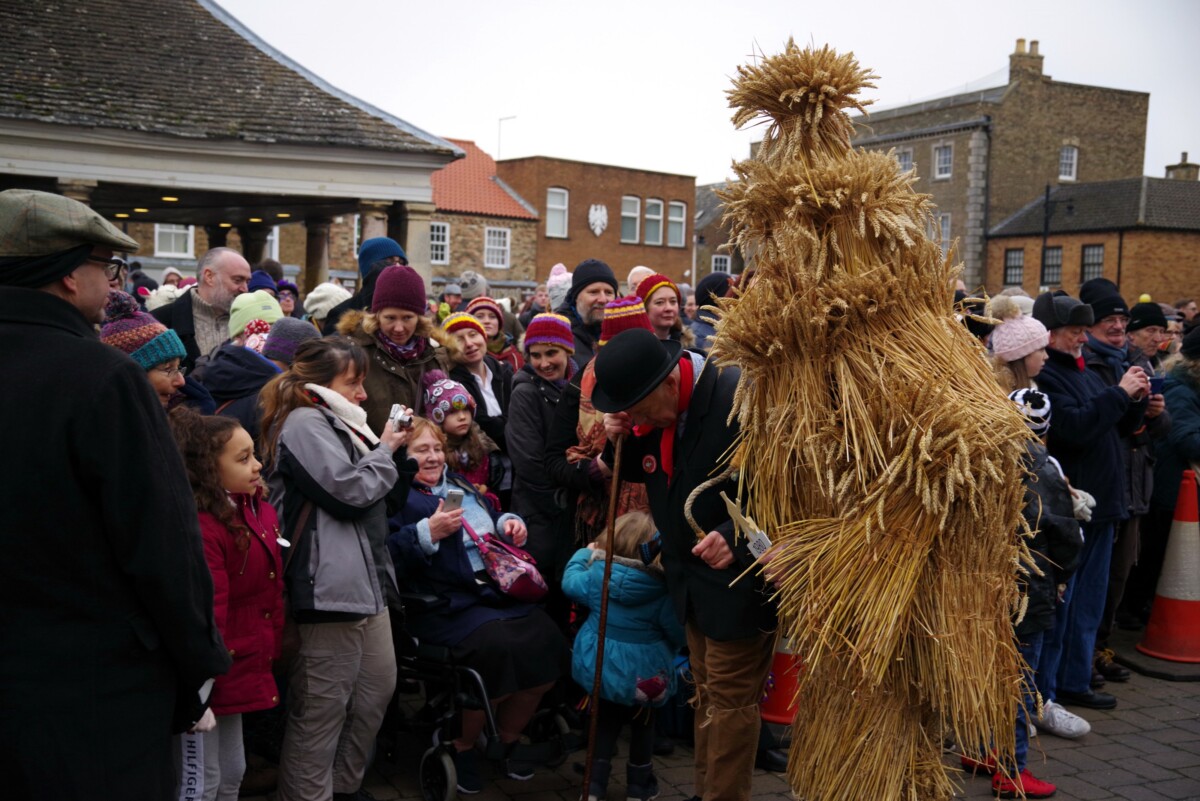
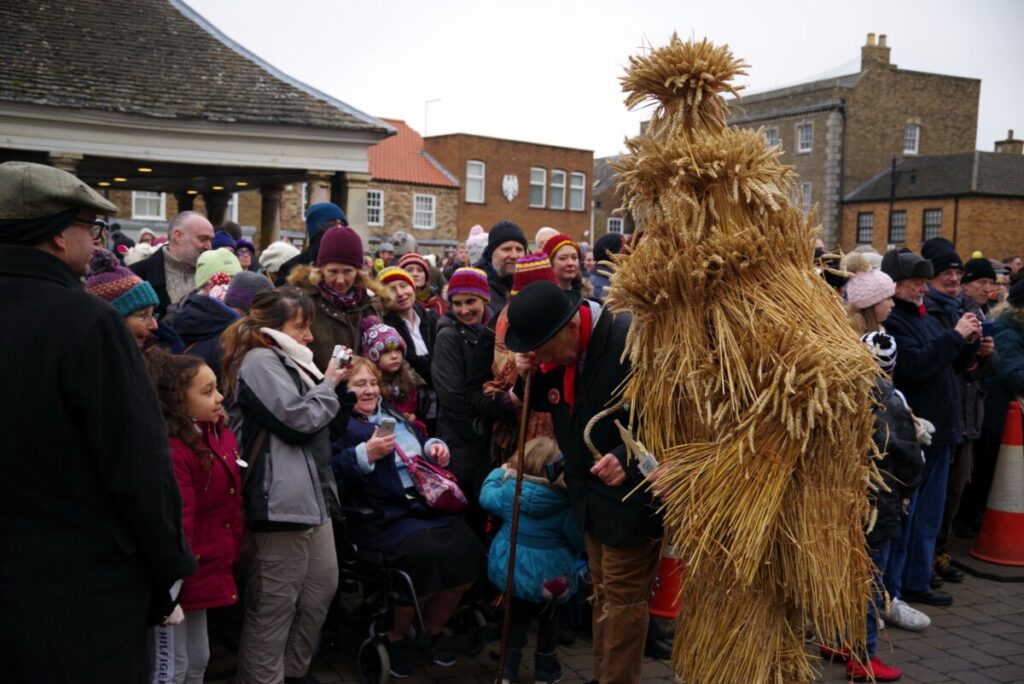
Whittlesey is a Fenland market town in Cambridgeshire, with a parish population of 17,667 people at the 2021 census. It is known for the Straw Bear Festival, held every January, in which a volunteer society parades a man wound head to foot in straw through the streets, reviving a custom that farm labourers once used to beg for money, beer and food.
A labourers' custom, not a tourist invention
On the Tuesday after Plough Monday, farm labourers wound a man in tightly twisted straw bands, chained him, and led him through the streets to collect money, beer and food. As the day grew rowdier the labourers blackened their faces with soot to avoid being identified, and their earnings were mostly spent in the pubs. The custom faded at the end of the nineteenth century, and the last straw bear was seen in 1909. By the festival’s own account, a police inspector banned the straw bear as a form of begging, though the festival does not date that ban.
A revival built for dance, not begging
In late summer 1979 Brian Kell, a folklore enthusiast who had moved to Whittlesey from Northumberland, proposed reviving the custom to the Whittlesea Society. On 12 January 1980 the bear walked again with about 30 performers, for the first time in seventy years. Kell wanted more than a street collection: a showcase of British folk drama, song, music and dance.
A festival that keeps growing
The procession has grown to more than 250 dancers, musicians and performers, drawing Morris, clog and sword teams from across the country alongside local Fenland Molly dancers. In 1999 a German straw bear travelled from Walldürn to join the parade, a parallel tradition rather than a shared ancestor. The festival’s director has described 3,000 to 4,000 people crowded into the streets. On the Sunday the bear is burned, so a new one can be built for the following January.
Questions people ask about Whittlesey
Why is Whittlesey famous?
Whittlesey is famous for the Straw Bear Festival, held every January, in which more than 250 dancers and musicians parade a man dressed head to foot in straw through the streets. The custom began as a farm labourers' practice of begging for money, beer and food, and was revived in 1980.
When was the Whittlesey straw bear banned?
The festival's own history says a police inspector banned the straw bear as a form of begging, though no year is recorded for the ban itself. The last straw bear before the ban was seen in 1909, and none appeared again for seventy years.
Who revived the Whittlesey Straw Bear Festival?
Brian Kell, a folklore enthusiast who had moved to Whittlesey from Northumberland in 1979, proposed the revival to the Whittlesea Society that year. The bear walked again on 12 January 1980 with about 30 performers, the first time in seventy years.
Is the German straw bear related to Whittlesey's?
No. The German straw bear custom, recorded from Wurmlingen in 1852, is a parallel tradition rather than a common ancestor. A German bear from Walldürn travelled to Whittlesey in 1999 to take part in the festival.