
What Rowley is known for
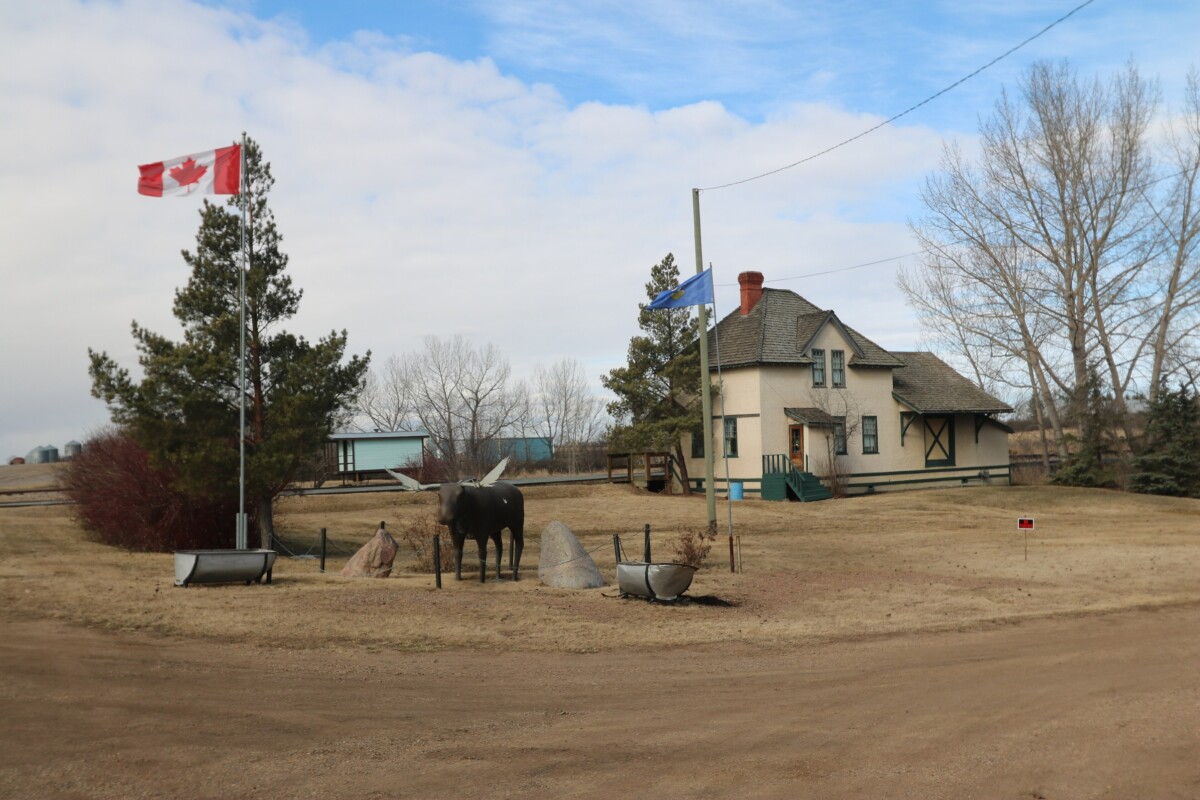
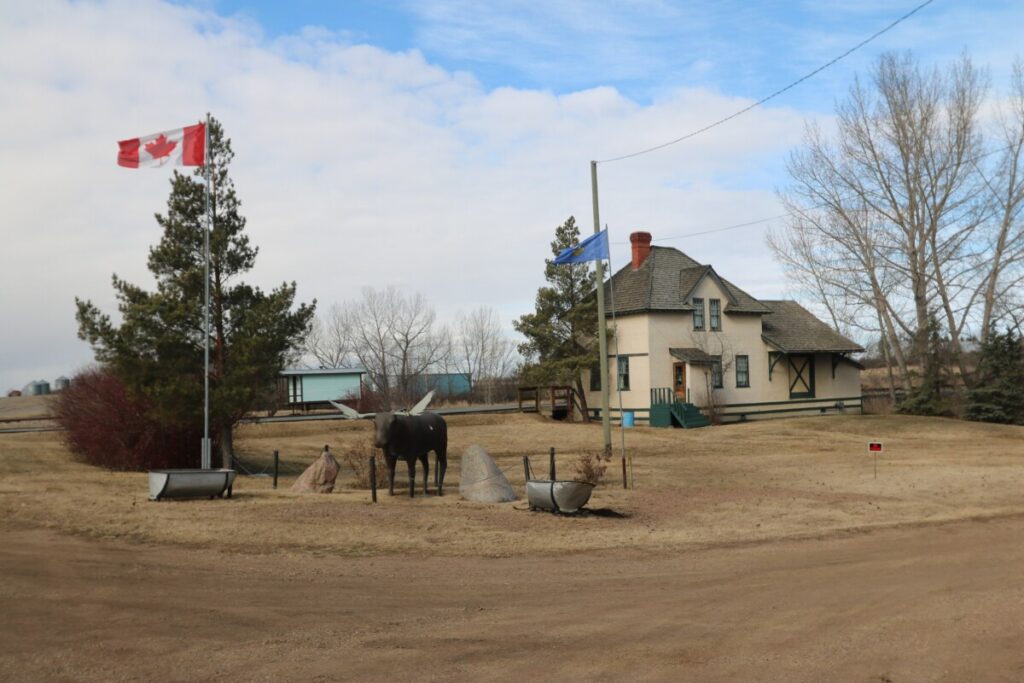
Rowley is an Alberta hamlet of 8 people at Starland County’s 2013 municipal census, and it is known for keeping its historical buildings open to visitors: Sam’s Saloon, the railway station, which doubles as the community museum, and its grain elevators. The Rowley Community Hall Association, a not-for-profit, describes itself as devoted to keeping Rowley and its historical buildings afloat, and it hires local students each summer to guide visitors.
Blackfoot land and Treaty 7
Canadian History Ehx says the Blackfoot occupied the Starland County area, which now contains Rowley, for centuries before European settlement. Treaty 7, which covers this part of southern Alberta, was signed at Blackfoot Crossing on September 22, 1877, by the Siksika, Kainai and Piikani nations, the Tsuut’ina, and the Stoney Nakoda’s Chiniki, Bearspaw and Wesley First Nations, according to the University of Calgary.
A railway siding and three elevators
Rowley was founded in 1910 and took its name from Lieutenant Colonel Charles Walsh Rowley. By the end of 1911 the Alberta Midland Railway had completed its line to the station, 25 kilometres north of Drumheller, and by 1917 three companies ran grain elevators here. About 500 people lived in Rowley in the 1920s. The station closed in 1965. The hamlet’s history says the tracks came up in the mid 1990s, while Wikipedia says the last train passed through in 1999.
Restored from the saloon out
The restoration began with a boarded-up saloon. Wikipedia dates the first fix-up to the mid 1970s, followed by a quarter century of work on other homes and businesses. Rowley’s own history says the building, a 1922 restaurant that Sam Leung ran from 1941 to 1968, became Sam’s Saloon in 1980, for Alberta’s 75th birthday and that July’s Rowley Homecoming. A 2008 Alberta Historical Resources grant funded the complete restoration of the grain elevators, and the Rowley Grain Elevator Row was designated a Provincial Historic Resource on June 15, 2010.
Pizza, dues and grants
Before regional rail service ended, as many as 900 train tourists a week got off at the station, according to Wikipedia. Today the association charges C$2 a year in membership dues, and CBC News reported in 2020 that Rowley’s Pizza Night, held on the last Saturday of each month, had a single-night record of 350 pizzas, with proceeds supporting the town’s upkeep. Canadian History Ehx says the restoration effort raised more than C$600,000 in grants.
What Rowley shows is the settler railway and grain economy. The hamlet’s own history, saloon, about and visit pages do not mention the Blackfoot or Treaty 7, and the land all of it stands on is Treaty 7 land.
Questions people ask about Rowley
How many people live in Rowley, Alberta?
Starland County's 2013 municipal census counted 8 people in Rowley, and a 2020 CBC News feature put the population at about 10. Wikipedia says about 500 people lived there in the 1920s.
What is Sam's Saloon in Rowley?
A building first put up as a restaurant in 1922 by Shory Leung and Hawkey. Sam Leung ran it as a restaurant, meat market and grocery from 1941 to 1968, and it was known for an informal back room poker game. Rowley's own history says it became Sam's Saloon in 1980, for Alberta's 75th birthday.
Can you tour Rowley, Alberta?
Yes. The Rowley Community Hall Association hires local students each summer to guide visitors through the hamlet's historical sites, on tours running Thursday to Monday, 10 a.m. to 5 p.m. Camping is available year round, 24 hours a day, on a donation basis.
When is Pizza Night in Rowley?
On the last Saturday of each month. A 2020 CBC News feature reported that Rowley's Pizza Night had a single-night record of 350 pizzas, with proceeds supporting the town's upkeep.
Whose land is Rowley on?
Rowley is on Treaty 7 land. The treaty was signed at Blackfoot Crossing on September 22, 1877, by the Siksika, Kainai and Piikani nations, the Tsuut'ina and the Stoney Nakoda's Chiniki, Bearspaw and Wesley First Nations. Canadian History Ehx says the Blackfoot occupied the Starland County area for centuries before European settlement.