
What Carambeí is known for
Carambeí is a Paraná town of 23,283 people at the 2022 census, built by Dutch dairy families who arrived in 1911. It is known for rebuilding its colony in wood as a heritage park, the Parque Histórico de Carambeí.
Kaingang land, a Guarani name
The Campos Gerais were Kaingang territory before the advance of mule trains pushed some of that nation west; the town’s own name is Guarani, from karumbe, turtle, and y, water. In August 1812 the first 312 Indigenous people were enslaved in the Campos Gerais, under an order of the Prince Regent, the future Dom João VI, against those who resisted occupation of their lands.
A railway's colony, then a cooperative
The Brazil Railway Company bought Fazenda Carambeí in the early twentieth century and subdivided it into small lots, each with a house, an ox yoke, three dairy cows, seed and fertiliser, to generate freight for its trains. The first Dutch families, Verschoor and Vriesman, arrived in 1911; within three years the Dutch population passed 50, most working in dairy. In 1925 the colonists founded one of the first production cooperatives in Brazil, later renamed Batavo and, since 2015, Frísia.
Rebuilding the colony in wood
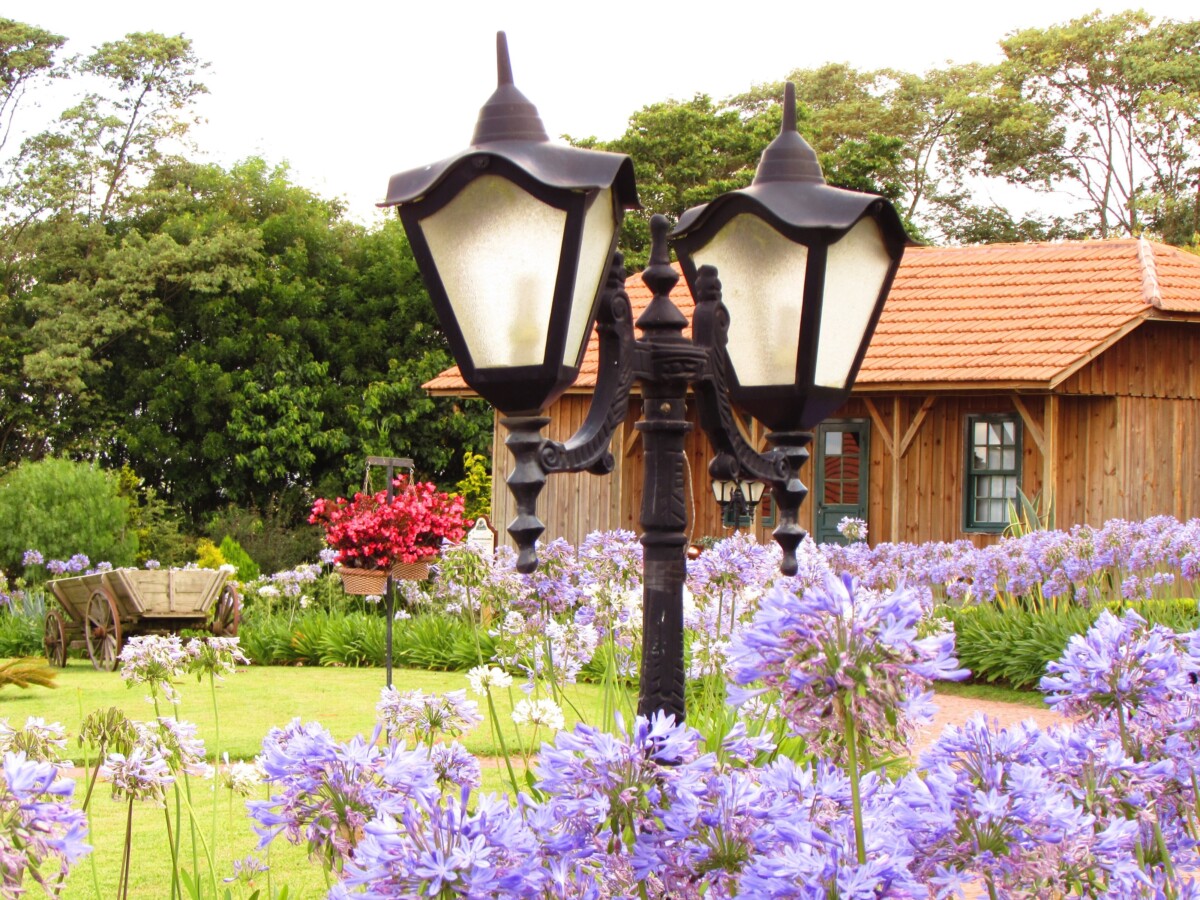
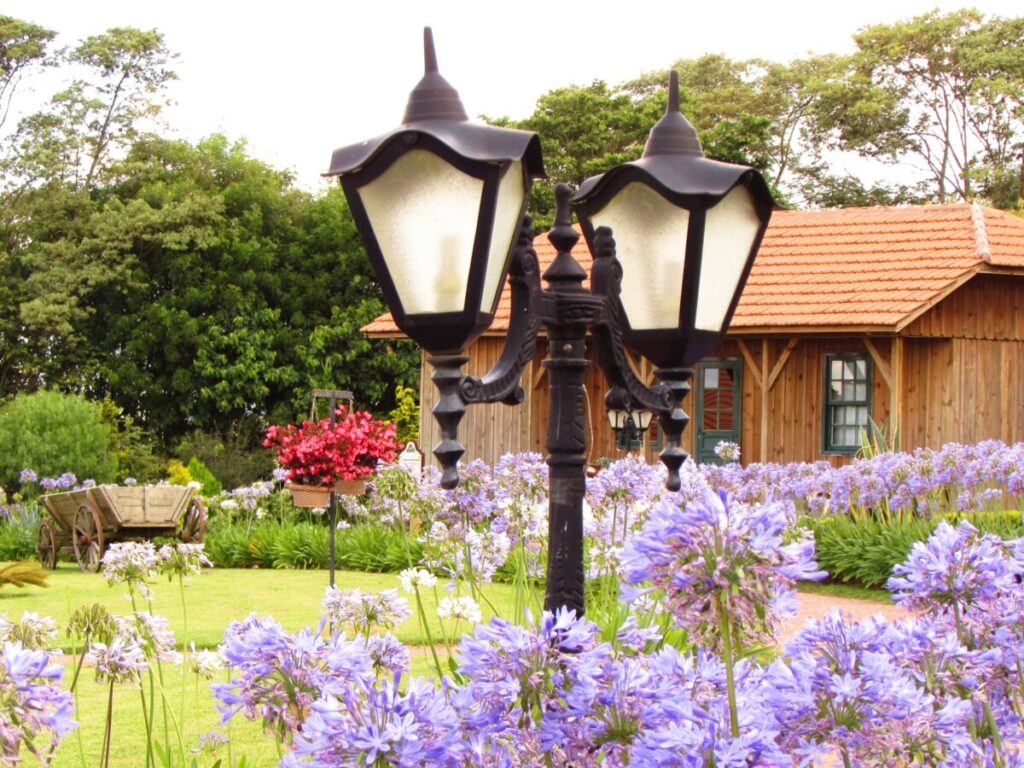
In 2001 Dutch immigrants and their descendants founded the Associação Parque Histórico de Carambeí with the Batavo cooperative, opening the Casa da Memória in the De Geus family’s 1946 stable. The Vila Histórica rebuilds the colony as it stood from 1911 to 1935 in about sixteen new wooden buildings, and the Parque das Águas, opened in 2015, copies the wooden houses of the Zaanse Schans near Amsterdam, with canals and windmills. Association president Dick Carlos de Geus said the project began at the seventy-fifth anniversary of immigration, in 1986, and that museums rarely survive without incentive; more than five million reais came through the Lei Rouanet tax incentive and the cooperative.
Who filled the museum, and who is missing from it
The community donated about 95 percent of the park’s roughly 15,000 objects, a collection that includes Indigenous and tropeiro artefacts alongside Dutch immigration material. In 2024 the state reported 130,602 visitors to the park, more than either Vila Velha state park or the Buraco do Padre. The peoples who lived here before 1911 mostly appear as objects in cases; the plainest trace they left is the town’s own Guarani name.
Questions people ask about Carambeí
Why is Carambeí, Brazil famous?
Carambeí is known for the Parque Histórico de Carambeí, a heritage park where Dutch dairy families, who began arriving in 1911, rebuilt their colony in wood. The town sits on land that was Kaingang territory, though its own name is Guarani.
What does the name Carambeí mean?
Carambeí comes from Guarani: karumbe, meaning turtle, and y, meaning water. The Guarani name is the plainest trace left of the peoples who lived on this land before Dutch settlement in 1911.
Who filled the Parque Histórico's collection?
The community donated roughly 95 percent of the park's approximately 15,000 objects, which include Indigenous and tropeiro artefacts alongside Dutch immigration material. The collection is what fills the reconstructed colony buildings.
Was the Campos Gerais Guarani land?
No. The Campos Gerais, the grassland where Carambeí sits, were Kaingang territory before the advance of mule trains pushed some of that nation west. Only the town's own name, from Guarani words for turtle and water, is Guarani.