How Willow Creek earned the score
Population 1,720 (US Census 2020, Willow Creek CDP)
Situation A small town in the forests of Humboldt County looking to draw tourism away from California’s coasts.
Action Leaned all the way into a mythical creature sighting, branding the whole town around Bigfoot.
Result Willow Creek celebrates Bigfoot, and together the town’s tourism businesses make money off the legend.
Let’s meet Willow Creek, California
Willow Creek is the Bigfoot Capital of the World because of the many sightings of Bigfoot and the community’s drive to perpetuate the legend and bolster their creative city development to prosper. The History channel has done specials on Bigfoot, newspapers have reported on Bigfoot since the 1960s, and there are over 9,000 books on Bigfoot on the Amazon marketplace.
History
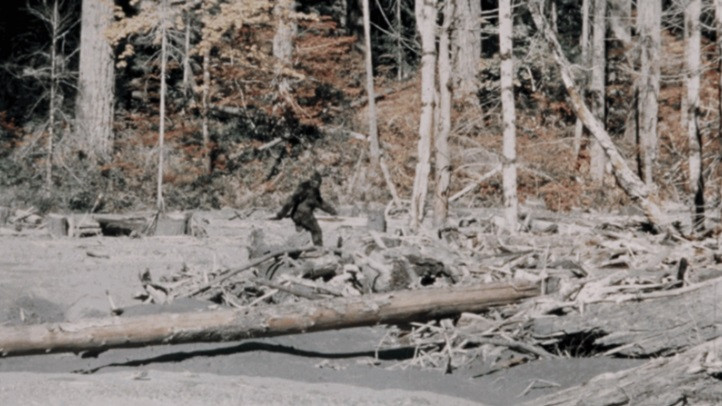
Willow Creek, California is nestled in the forests of Humboldt, California. The perfect setting for a Bigfoot sighting. Back in 1958, a man made giant feet castes out of concrete and started the myth of Bigfoot leaving footprints around town. In 1967, the infamous footage of Bigfoot looking over his shoulder and giving us the Blue Steel look was taken just outside of Willow Creek. Both gave flames to the Bigfoot craze.
Creative city development tourism
Willow Creek greatly benefits from this reclusive monster or ongoing hoax. Whatever it is, it didn’t have to spend a bunch of money to start a creative city theme. The cost of a bag of concrete and some buddies to go in on the myth with you. Monaco, for example, turns its streets into a formula one race track each year to bring in high end tourism revenue. The streets were already there (though they probably are repaved for the races).
The rise in Bigfoot sightings made a noticeable impact on the town starting as early as 1960. Wyatt’s Motel was renamed Bigfoot’s Motel. Bigfoot Daze was started. The 1967 film of Bigfoot was even cleverly premiered at Al Hodgson’s General Store, which would draw in Bigfoot hunters for coming years as a rest stop to share stories. The town continues to build upon its Bigfoot reputation to this day.
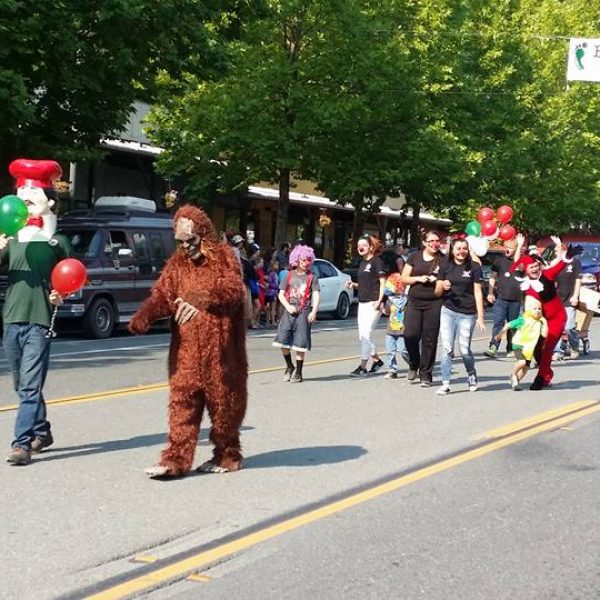
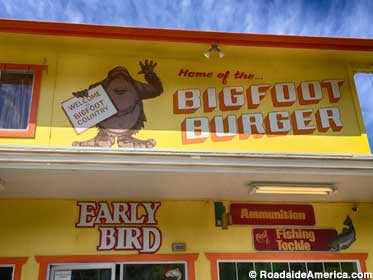
In 2000, a Bigfoot museum was started in town. Today everything is branded with Bigfoot. The Bigfoot Restaurant, Bigfoot Equipment, Bigfoot Rafting, and more. The Bigfoot theme has been fully exploited. This is a commitment from the town to bolster their creative city development.
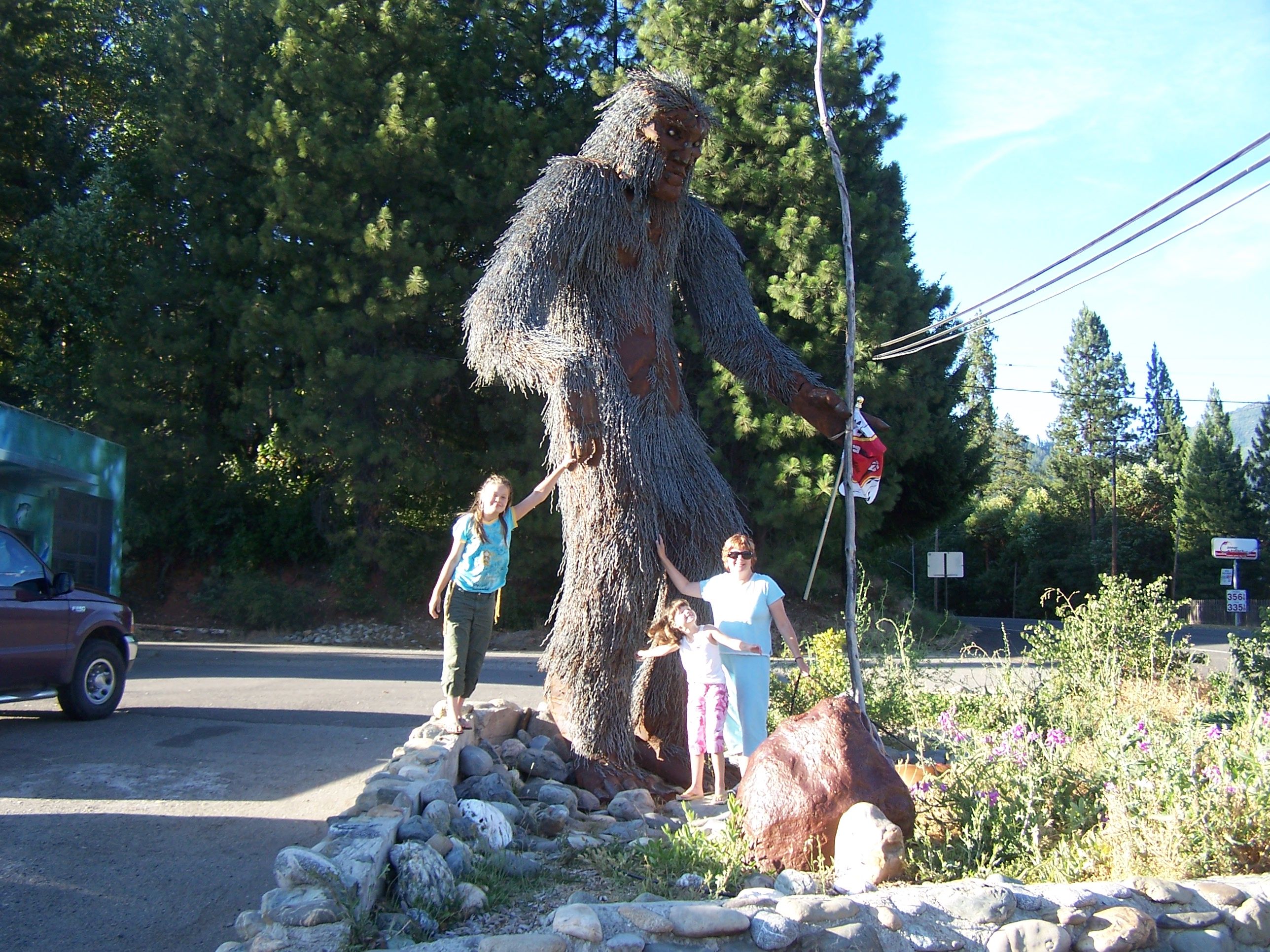
The town also features many Bigfoot statues all over town. Bigfoot is a symbol of this place, adding to the ongoing creative city intrigue that keeps tourists coming back.
Willow Creek has started a little PR war with Remer, Minnesota, the Home of Bigfoot, which is driving publicity back to their town and creating a PR storm for them both to prosper from, not unlike Eminem and MGK. The rivalry costs nothing to run and keeps both names in the news, which is exactly the kind of low-budget attention a small town cannot buy outright. Every time one town plays up its claim, the other answers, and the coverage circles back to the museum, the statues, and the festival that make the trip worth taking.
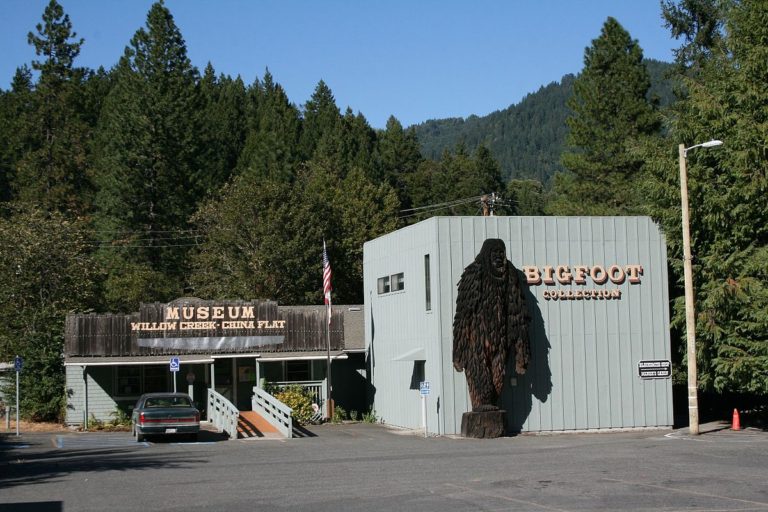
What the town has proven over six decades is that a single idea, committed to fully, can carry a visitor economy further than its size would suggest. The concrete footprints, the 1967 film, the renamed motel, the general store, the museum, and the statues are all chapters of the same story, and the town keeps writing new ones. Each Bigfoot-branded business reinforces the next, so a traveler who comes for the museum stays for the restaurant and leaves talking about the statues. That compounding effect is the whole point of a creative city theme, and Willow Creek has run the experiment longer than almost anyone.
How this score was read
This is an online-tier read. Willow Creek is a small town of roughly 1,700 people with a very strong brand-and-anchor pairing but a thin destination-management apparatus. The museum gift shop alone produces 300 to 500 dollars per open day per the museum treasurer, and the composite reflects the gap between a strong identity and limited operational infrastructure. The downtown and curb categories stay marked not applicable until a physical field visit is logged.
Summary
There are very few statistics on Willow Creek and their tourism. Overall, they seem to do well capitalizing on the Bigfoot fame. For the last 60 years they have used the theme to draw in visitors. The lesson for other places is that the raw material can be almost anything, so long as the whole town decides to believe in it together and build around it. Could your town do something like this? Perhaps your local humane society is engineering super dogs, or your local sewer system contains a super snake?