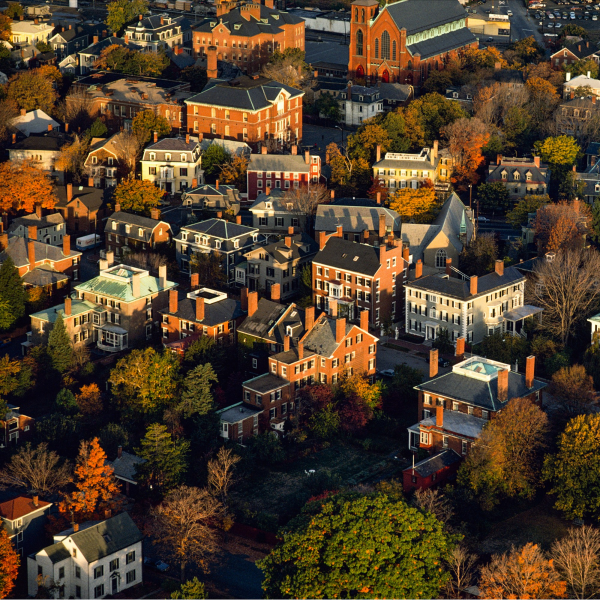
How Salem earned the score
Population 44,480 (US Census 2020)
Situation A grotesque act of falsely hanging women accused of being witches in the past.
Action Face up to their past and use their notoriety to gain popularity.
Result Religious Mecca for Wiccan and popular tourist destination for others.
Let’s Meet Salem, Massachusetts
Intro
“When there is no enemy within, the enemies outside can do you no harm” – African Proverb
The quote might be slightly too serious but a lot of towns have dark pasts. There is something to be said about owning up to it and making amends. Salem, Massachusetts is doing just that and heavily prospering.
Creative City Development

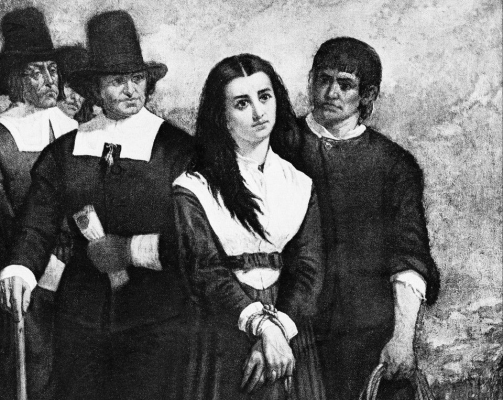
Salem is know as “The Witch City”… after they committed, somewhere between, unjustified homicides to a small scale genocide. They are owning it and letting it become part of their city. They don’t exactly celebrate the trials and the hangings but instead celebrate witchcraft in a face value way, such as having a huge Halloween celebration each year. They have owned up to their past and are now captalizing!
History
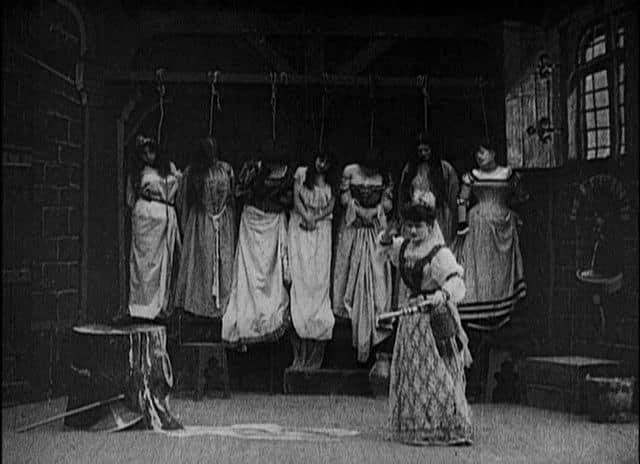
Salem is a very old town in Massachusetts. It has a very infamous past. In the spring of 1962 the Salem witch trials began in which several young girls claimed to be possessed by the devil accusing several women of being witches. Then began the hysteria around the region of claiming people were witches and killing them.
Like I said, dark past. Fortunately it is getting better for Salem. The town realizes its dark past and has reformed. They now are happy to have witches, there is a whole section of the towns tourism website dedicated to them.

Tourism
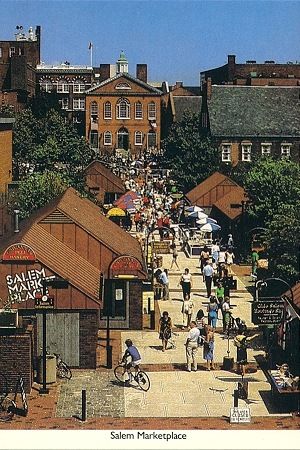
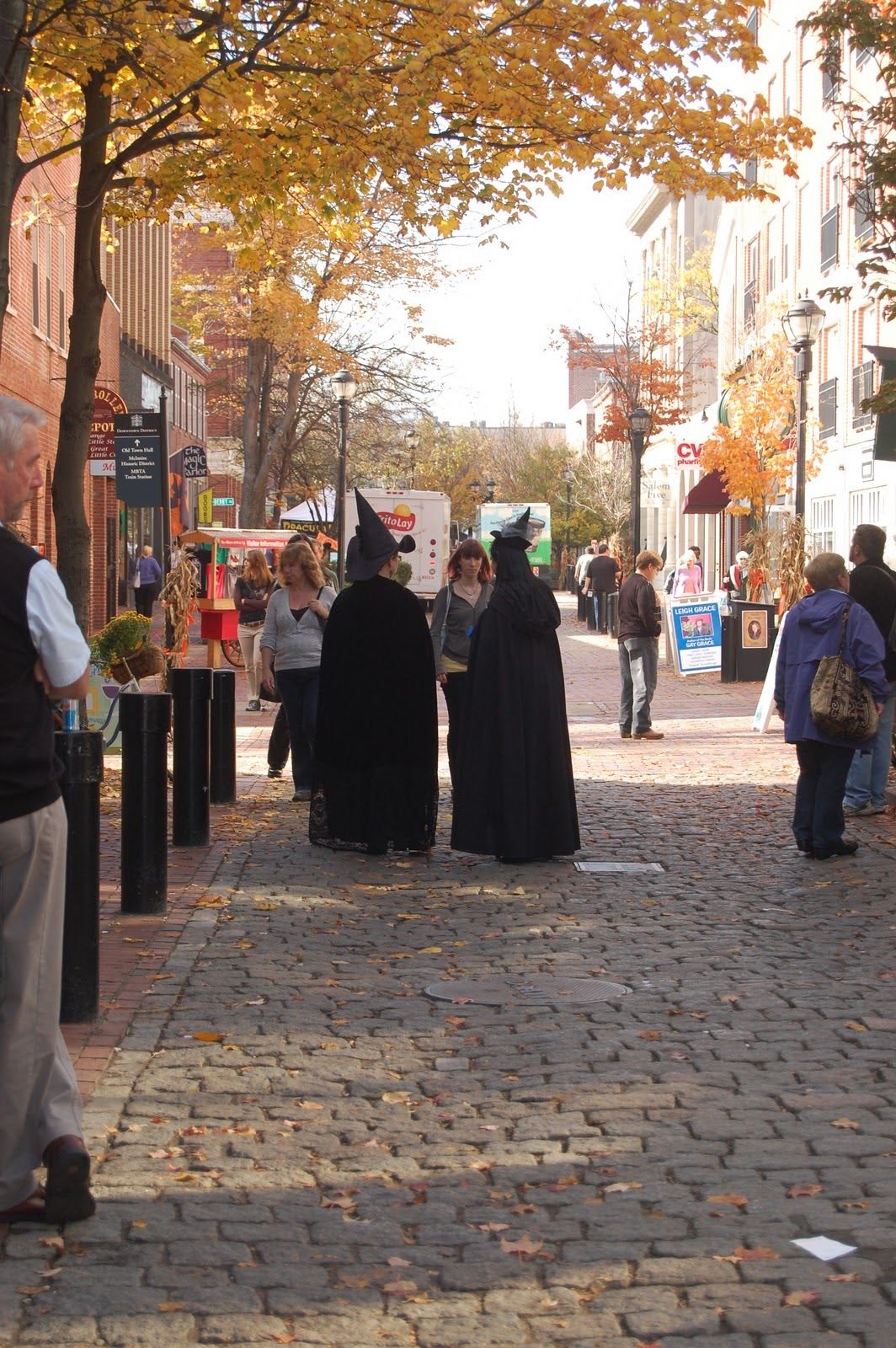
Salem’s creative city niche is around witches and the Salem witch trials. Museums, events, and town shops all help to support this city niche. The town is a hub of fortune tellers and magical craft shops. It has tours and retreats for modern witches. They also have classes and training on how to perform certain spells and rituals. It is just about impossible to know just how many witches visit Salem a year or how much money they contribute to the community but it is not a small amount.
Witch Themed Town
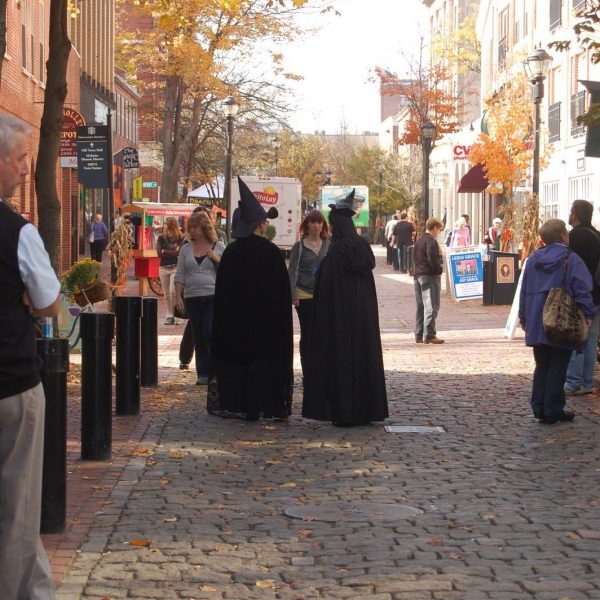
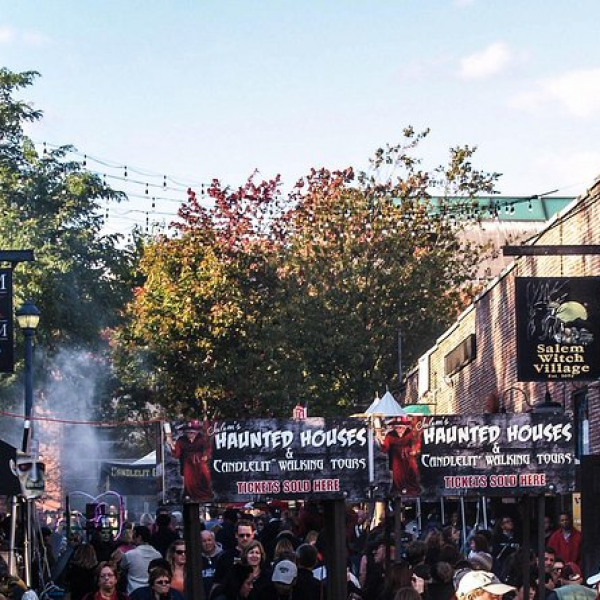
The witch community and the city throw a grandiose halloween party, Festival of the Dead, that draws over 100,000 people every year. (It is not however the Halloween Capital of the US) There is at least 1 million in revenue, probably more! This is a whole month of celebration with most days in October having special activities. They have activities such as palm reading, seances with the dead, Halloween ball, death and rebirth rituals, mourning tea, and “The Dumb Supper” in which all attendees are silent. This is meant to remember the dead.
The Salem Witch Museum brings in roughly 300,000 people annually. The museum costs ~$12 a piece to get in meaning the museum brings in $3.6 million dollars a year in ticket sales alone. This museum likely supports dozens of families in the community.
The Salem Witch Trial House brings in 27,000 people a year at a fee of ~$8 meaning this old property brings in $216,000 a year just on admissions. Correct me if I am wrong Salem Witch Trial House employees but I bet this house pays for itself and at least a few part time employees.
Witch tourism is hard to know because you can’t guess someone’s religion but they estimate roughly 100 million in restaurant spend alone in the city. People are coming to take part in some 200+ year old history and every year are spending 100 million in food while they visit.
The town says that witch tourism is no longer the dominant tourism source as more attractions are added around the witch tourism. It seems unlikely that any other category of their tourism is bigger than modern witch tourism but in aggregate might be larger.
Other Events
As witch tourism is losing its dominance over the tourism economy but in a good way. Salem is getting known as a great place to travel to because of the none witch tourism that is around
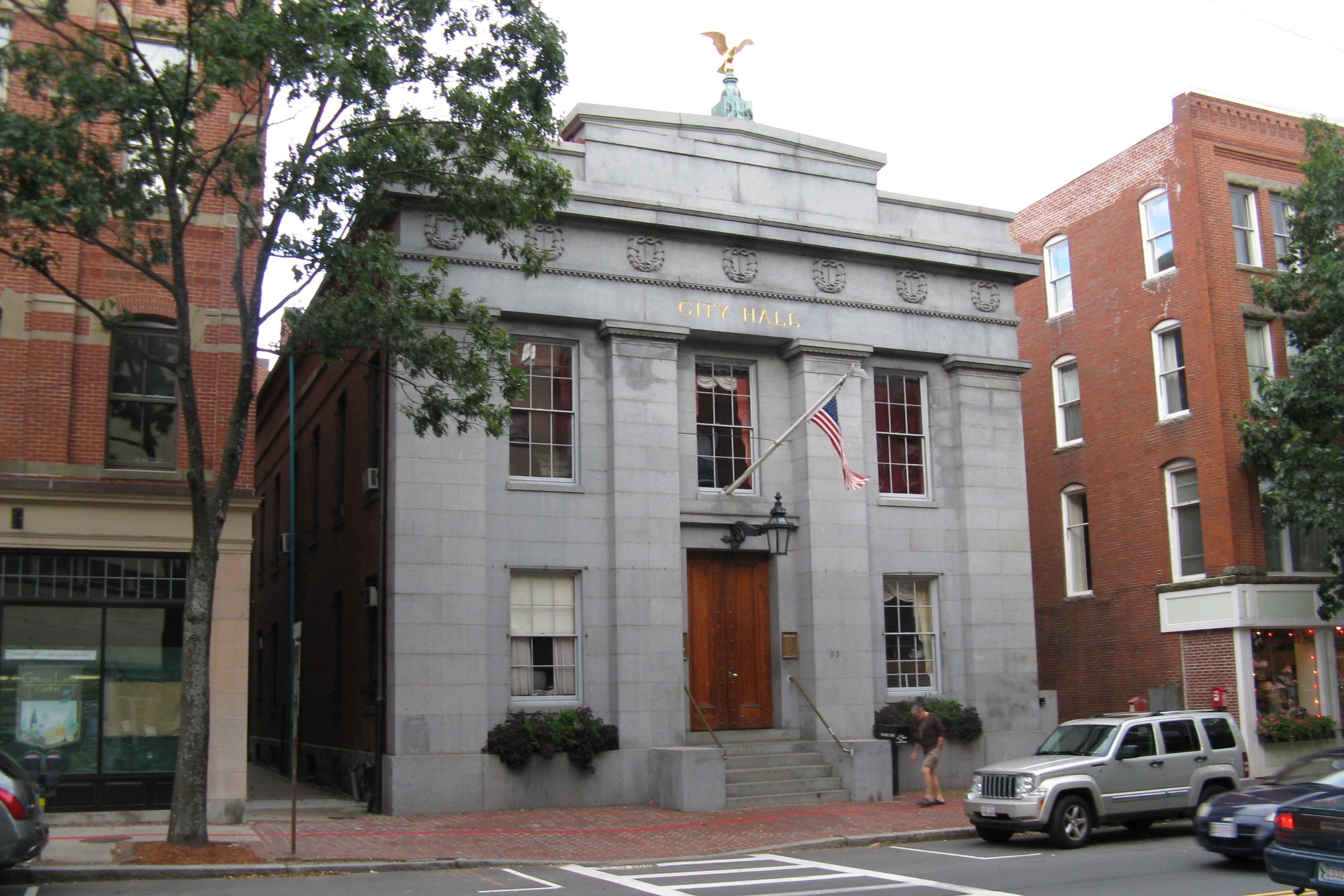
Museums seem to be the bread and butter of their non-witch tourism. The Salem Maritime National Historic Site is impressive in their ability to draw tourists. In the latest figures (2012) 756,038 visitors and $40 million contributed to the area’s economy. Frankenstein’s Castle is another attraction which looks to bring the book Frankenstien alive with wax figures and a dark dungeon setting. Sort of tacky, very niche, and overall different, sounds like fun.
Salem also puts on a lot of events throughout the year. Just to name a few:
- Salem Film Fest
- Massachusetts Poetry Festival
- Salem Arts Festival
- Great Salem Fire Centennial
- North Shore Pride Parade
- Salem Jazz & Soul Festival
All the events draw in a huge amount of revenue but also provide a lot of opportunities to the residents to build products and services for each event.
Summary
Salem, Massachusetts has been cultivating the witch culture for years, longer than most towns have been around which is part of their success. Salem is a shiny example of how long term creative city developments and history can blend to create tourist economies for very niche groups of people.