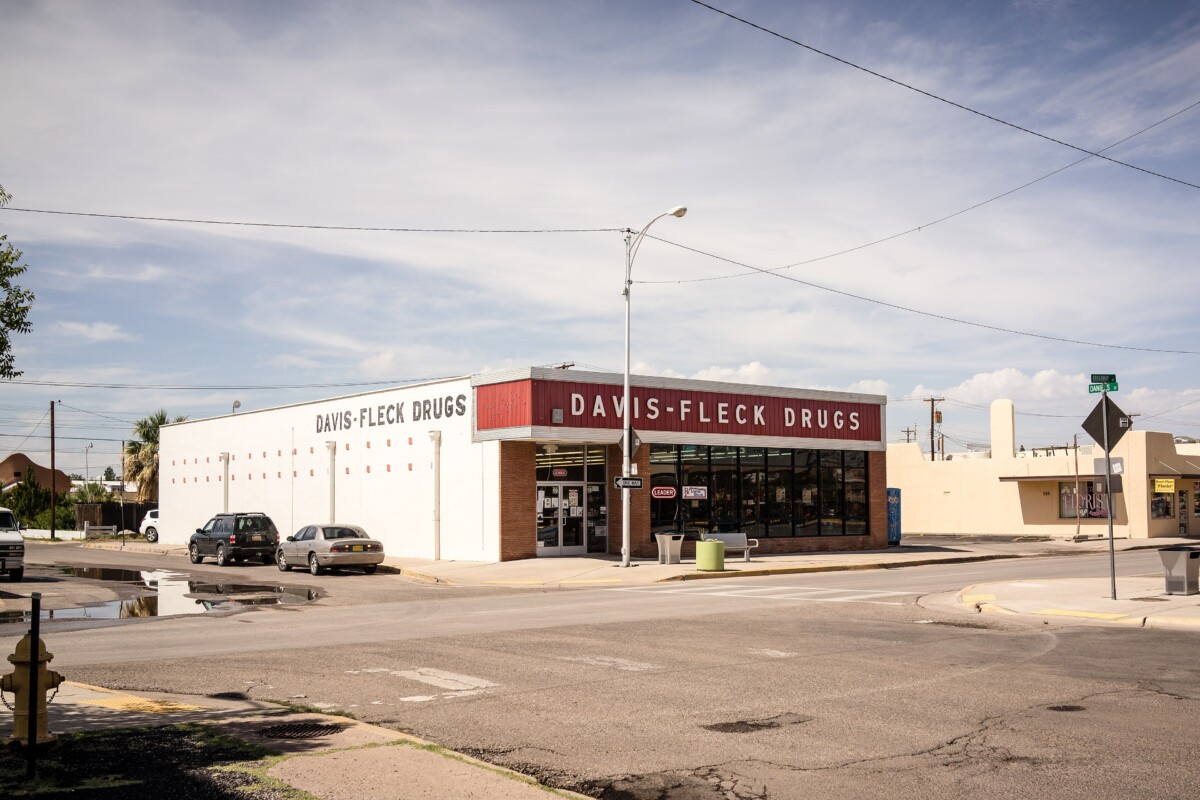
Truth or Consequences, New Mexico voted 1,294 to 295 in 1950 to rename itself for a radio quiz show, and kept the name in a 1964 vote.
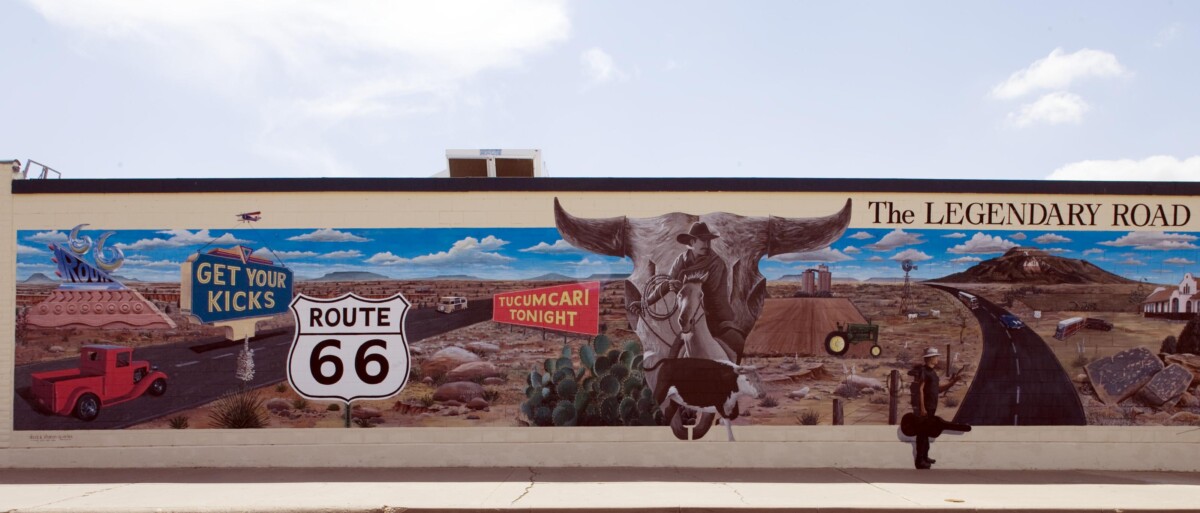
Tucumcari, New Mexico was bypassed by Interstate 40 in 1981. A 2003 federal Route 66 program relit its neon, and artists painted almost 100 murals.
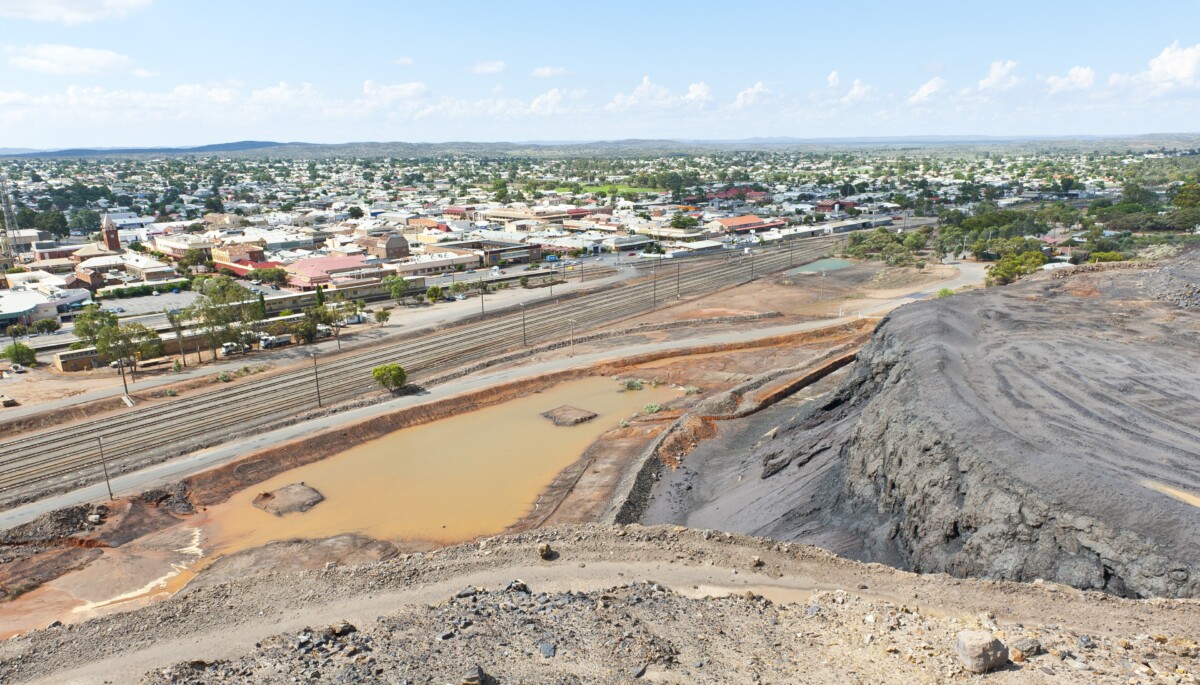
Broken Hill, New South Wales anchors a visitor economy worth over AUD 200 million a year in modelled tourism sales, and its mines have never stopped.
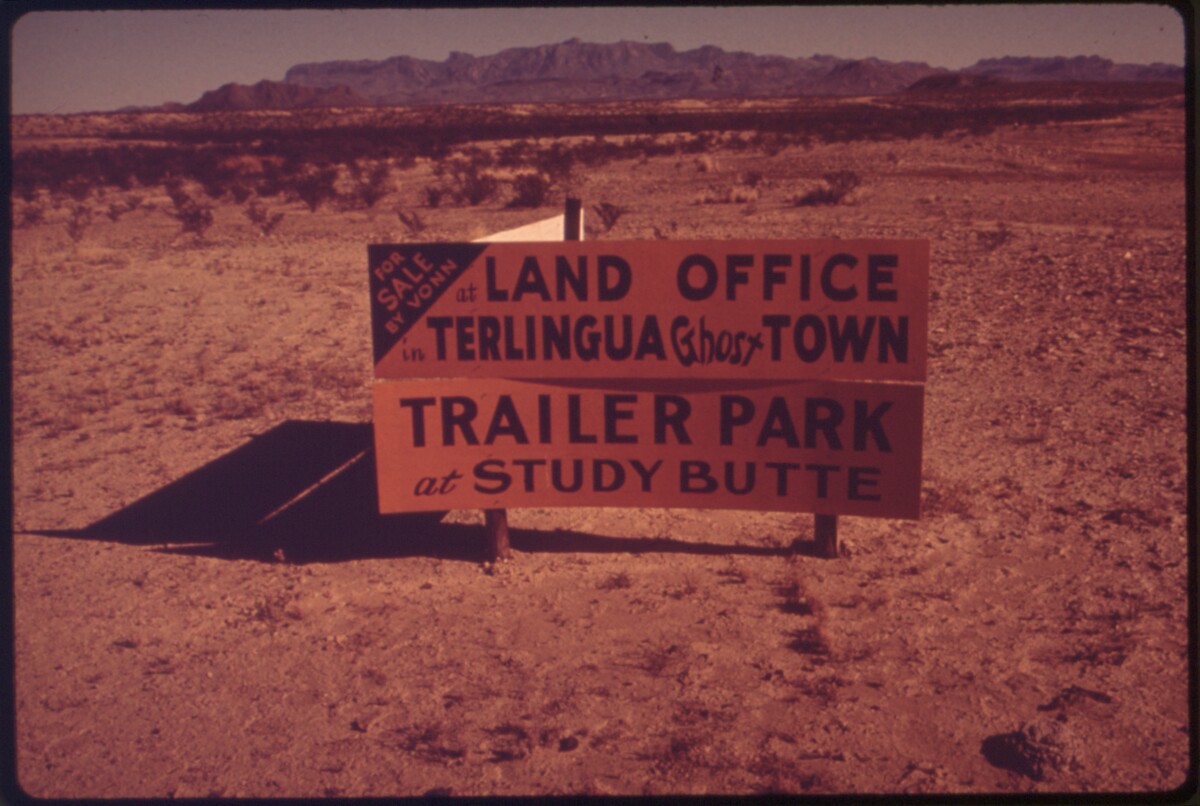
Terlingua, Texas, a ghost town of 78 people at the 2020 census, staged a world championship chili cookoff in its ruins on October 21, 1967.
Forty-nine lovely towns get driven past. These fifty get talked about. We have spent years at Creative City Developments asking
Creative City Developments | Julian, CA CREATIVE CITYDEVELOPMENTS TownsReportsMethodBookConsultingGet your score ☰ Salem 78·Park City 90·Leavenworth 72·St. George 71·Alexandria 61·Bozeman
Creative City Developments | Wildwood, NJ CREATIVE CITYDEVELOPMENTS TownsReportsMethodBookConsultingGet your score ☰ Salem 78·Park City 90·Leavenworth 72·St. George 71·Alexandria 61·Bozeman
Creative City Developments | Freeport, ME CREATIVE CITYDEVELOPMENTS TownsReportsMethodBookConsultingGet your score ☰ Salem 78·Park City 90·Leavenworth 72·St. George 71·Alexandria 61·Bozeman
Creative City Developments | Gloucester, MA CREATIVE CITYDEVELOPMENTS TownsReportsMethodBookConsultingGet your score ☰ Salem 78·Park City 90·Leavenworth 72·St. George 71·Alexandria 61·Bozeman
Creative City Developments | Metropolis, IL CREATIVE CITYDEVELOPMENTS TownsReportsMethodBookConsultingGet your score ☰ Salem 78·Park City 90·Leavenworth 72·St. George 71·Alexandria 61·Bozeman