How Montrose earned the score
Population 20,291 (US Census 2020)
Situation Montrose wanted to build an attractive environment for outdoor recreation businesses to rehome to in Colorado.
Action It aligned land use, opportunity-zone incentives, and regional storytelling around outdoor-recreation business attraction.
Result Over the past decade the city invested around $1 million in downtown projects, creating over $22 million in economic growth, with 241 outdoor businesses and $2 billion in outdoor recreation spending in the surrounding area.
Let’s Meet Montrose, Colorado
Montrose set out to build an attractive environment for outdoor recreation businesses to rehome to in Colorado. The plan was straightforward on paper: create opportunity zones and incentives to attract business and, in turn, more business.
History
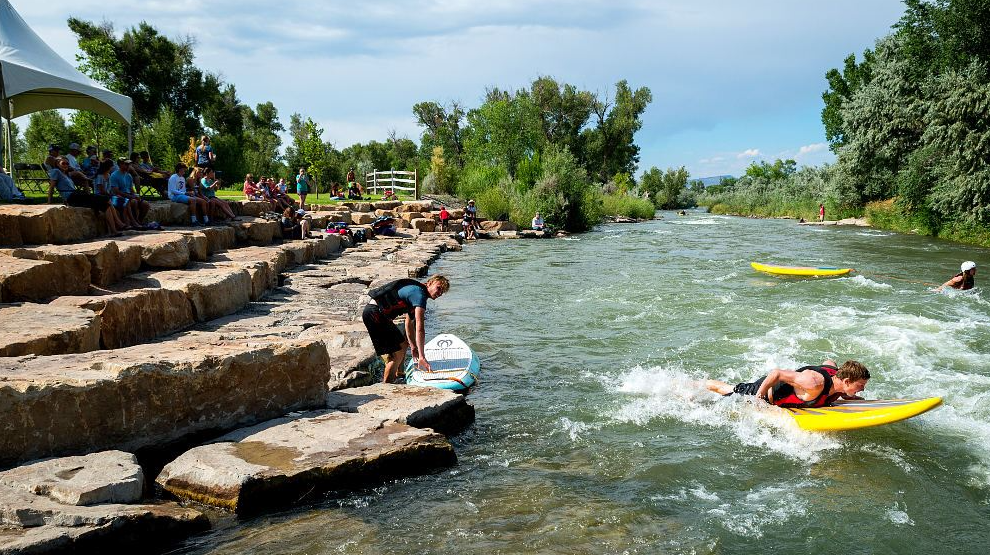
The result so far: $2 billion in outdoor recreation spending and 241 outdoor businesses call the area home.
My Roger Brooks sense is tingling all over this one. Montrose has done an amazing job promoting itself for outdoor recreation, incentivizing businesses, attracting winter tourists, and creating a creative city development.
Montrose’s Creative City Development
Montrose has the same story as Oakridge, Cuyuna, and so many other towns in the US. There was a natural resource to extract, the railroads set up, the city thrived, and in the early 1900s the railroads stopped servicing or tapered off. In this case it was lumber, and when the railroad tapered off, people switched to agriculture and did pretty well. We are here to talk about a pretty good place that is becoming great.
Montrose is known. They are so singularly and utterly focused on providing to the outdoor recreation industry. Currently there is $2 billion spent in the surrounding area on outdoor recreation. There are 241 outdoor recreation businesses. Their Colorado Outdoors project is meant to incentivize companies to move there. Montrose makes it clear what they are there for. So clear, in fact, that any SEOs out there will understand, there is a special answer box question asking what Montrose is about. The answer: the town is located in cardinal-western Colorado, in the upper Uncompahgre Valley, and is an economic, labor, and transportation waypoint for the surrounding recreation industry.
On-Brand COVID Response
They have a group, DART, the Develop and Revitalize Team, which helps lead up a small business loan program focused on business attraction, retention, and creation. It helps with capital improvements and other enhancements that would improve the quality of the city. They even say, if you don’t see an incentive, just ask, because we get creative with assisting businesses. Business owners love the progressive and aggressive approach to business growth. Over the past decade, the city has invested around $1 million in downtown projects, creating over $22 million in economic growth. Source
Montrose seems to be applying all of the latest and best techniques to help their community’s businesses grow and bring in tourism dollars. For example, they have a main street program developed by the group Main Street America, like many other thriving communities.
Colorado Outdoors, an Economic Opportunity Zone
One Montrose tourism study by the city found some compelling numbers. Keep in mind Montrose is a city of about 20,000 people. In the region in 2016, tourism was estimated to directly or indirectly support 7,432 jobs, generate $795 million in economic output, and produce $239 million in labor income.
Even the way Montrose has addressed the COVID situation and dining in their town is extremely on-brand. A local business, Colorado Yurt Co, is helping restaurants supply yurts for their outdoor dining and assisting local restaurants to stay afloat.
Outdoor Recreation Developments
Colorado Outdoors is an opportunity zone. This means the US Treasury granted the city special incentives to move businesses into the area. They are designed to accelerate business growth. Taken directly from the website: transform Montrose into a compelling destination for business, with a focus on the revitalization of the famed Uncompahgre river corridor in Montrose, Colorado. Source
In-Town Tourism Development
They incentivize businesses by offering zero capital gains tax and cash incentives for creating full-time jobs. There are actually 12 different incentives listed.
What initially drew me to Montrose was the fact that they have great kayaking in the area. They have also built a beautiful watersports park for kayakers. The water sports park is made with all experience levels in mind, meaning they have rapids and currents of all classes, which makes it entertaining for everyone.
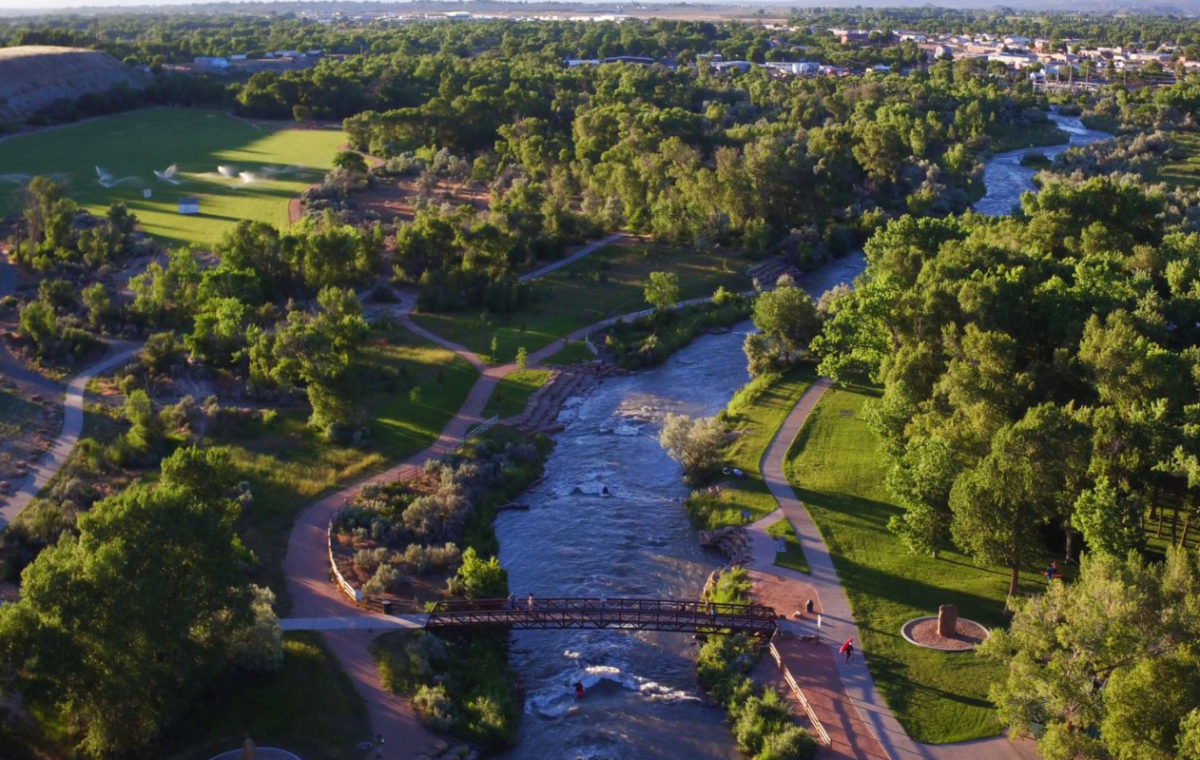
An excellent move was building a spectator area. It is a great place to hang out and watch as inexperienced kayakers hit massive rapids and tip. Ok, that might be a little cynical, but I think we would all be thinking it.
The Montrose Water Sports Park, consisting of 1,000 feet of the river, is one of the largest in the state of Colorado. Source What is equally as great, as any kayaker can tell you, is that it is hard to plan kayaking trips to rivers without a steady current. What makes Montrose a tourist destination for kayakers is sustained irrigation flow from the Uncompahgre River through late summer, long after other parks have lost their luster.
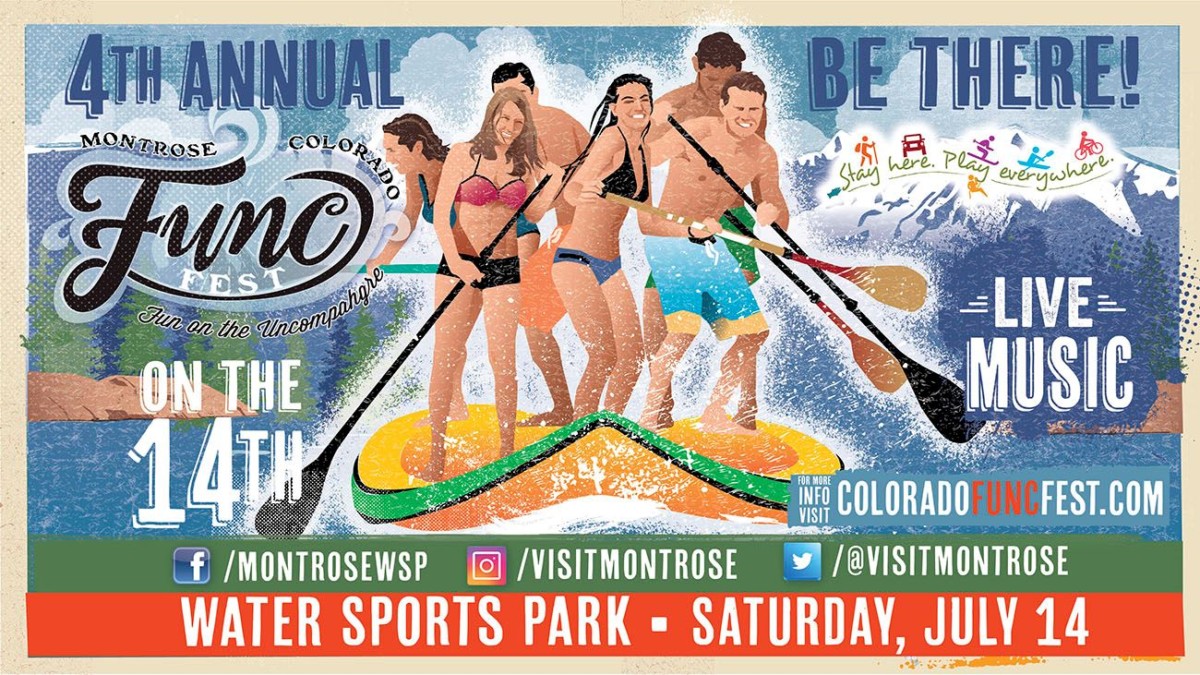
Montrose also has FUNC Fest, a competition where surfers, kayakers, and boaters of all shapes make their way through this river stretch. There is a parade of boaters as well. It is treated as a street get-together event with spectator areas, vendors, and all.
Most communities are trying to stretch their tourism season to over 260 days a year. Most communities that get snow have a hard time with this, because many northern cities in winter become ghost towns with everyone hunkered down. This is not so with Montrose.
Montrose has a plethora of winter outdoor activities that bring in tourists, from cross country skiing to ice climbing. This helps push those 260 days of tourism that communities work for up over 300 days a year. In conjunction with the community’s effort to make a nightlife scene, create restaurants, and build museums, it gives the community enough to do throughout the winter.
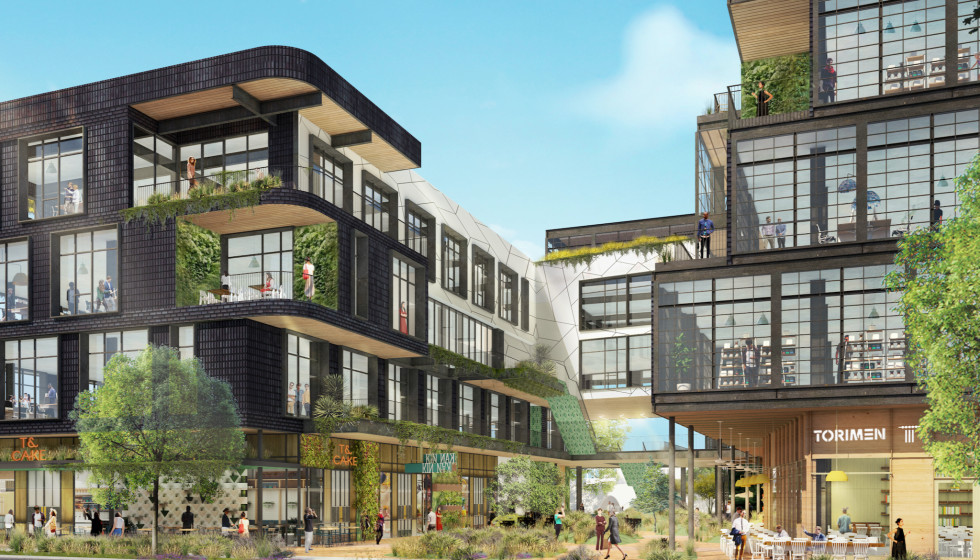
With so much to do around Montrose, how do you capture tourism and nightlife dollars in the city itself? Well, one example is making it more walkable and lively. This plaza development is meant to be an attractive, walkable space like many European cities have. This looks like something Roger Brooks would have proposed. Roger states that 70% of the money is spent after 6pm. This plaza is meant to be where that money is spent. One city in particular that has done a magnificent job with city spaces is Leavenworth, Washington.
Montrose currently has several museums for tourists.
Museum of the Mountain West, an impressive inventory of 500,000 artifacts from the golden years of the Mountain West from 1880 to 1930. Source
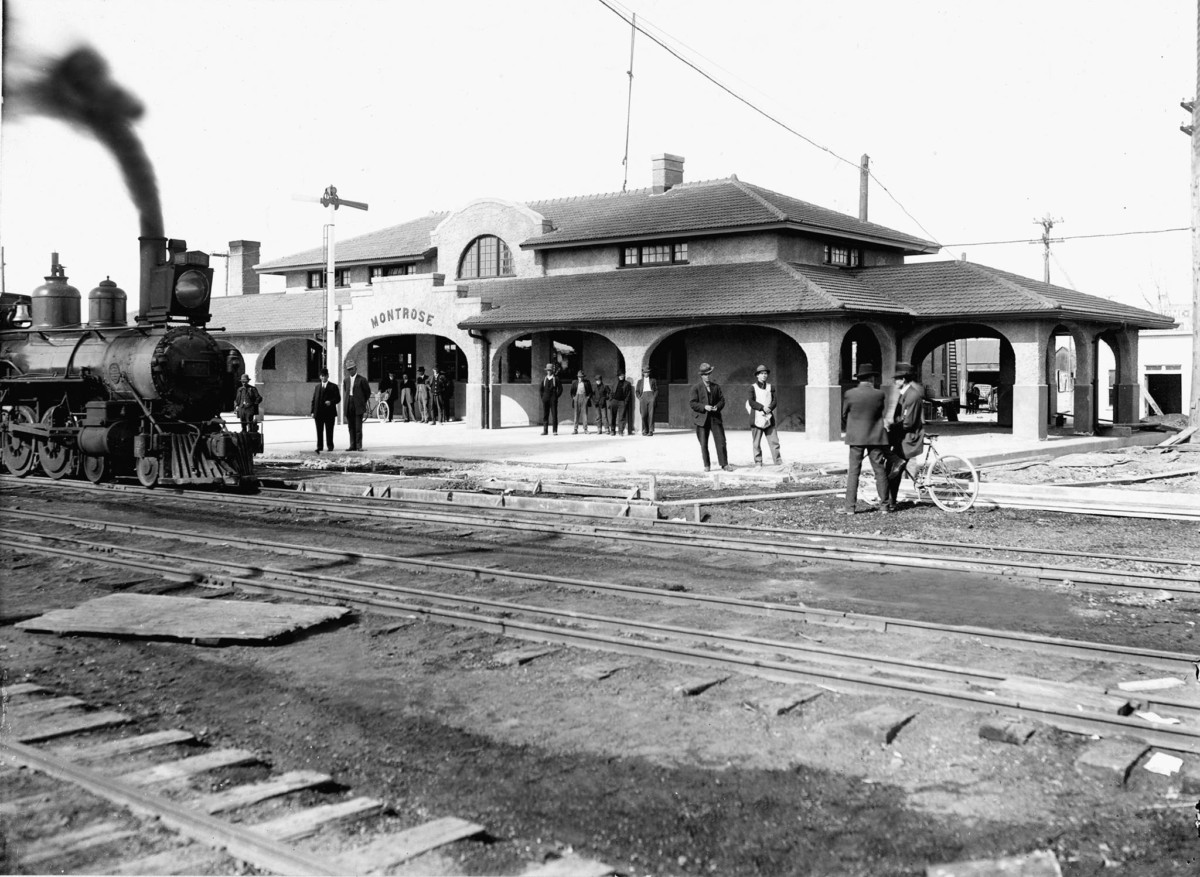
Montrose County Historical Museum, housed in the original Montrose railroad depot, focuses on all facets of early-day pioneer life, including a life-size homesteader’s cabin, horse-drawn farm machinery, and a delightful display of dolls, toys, and baby furniture.
Ute Indian Museum, where the museum lets visitors experience the history, culture, and daily lives of the Uncompahgre Valley’s early inhabitants. They also have the Shavano Valley Rock Art Site of prehistoric artwork that can be arranged to go see. Source
Why other towns should follow Montrose’s lead
Montrose shows what happens when a town picks one identity and commits to it completely. The recreation hook, the opportunity-zone incentives, the water sports park, the festivals, and the year-round calendar all point in the same direction, and the economic numbers have followed. There are a few things to conclude from this, and the biggest is simple: clarity of purpose is itself a strategy.