How Jonesborough earned the score
Population 5,860 (US Census 2020), Tennessee’s oldest town, founded in 1779.
Situation A well kept Main Street full of history but no single reason for a traveler to drive past the interstate exits at Johnson City.
Action In 1973 it launched the National Storytelling Festival, then spent five decades building a year round institution around it and protecting the historic downtown that hosts it.
Result The festival now draws around 10,000 people every October, the International Storytelling Center reports roughly 8 million dollars in annual community impact, and Jonesborough is the Storytelling Capital of the World.
How a town found its thing on the radio
The origin story is almost too neat, and the people who tell it in Jonesborough know it. In 1973 a high school journalism teacher named Jimmy Neil Smith was driving a carload of students when a Jerry Clower tale about coon hunting in Mississippi came on the radio, and the car filled up with laughter. Smith, who would later describe himself as a country boy with a dream, wondered why nobody had ever built an event around the thing that was happening in that car. That October he did. The first National Storytelling Festival used hay bales and farm wagons for stages in the courthouse square, and the tellers and the audience together did not number more than about sixty people.
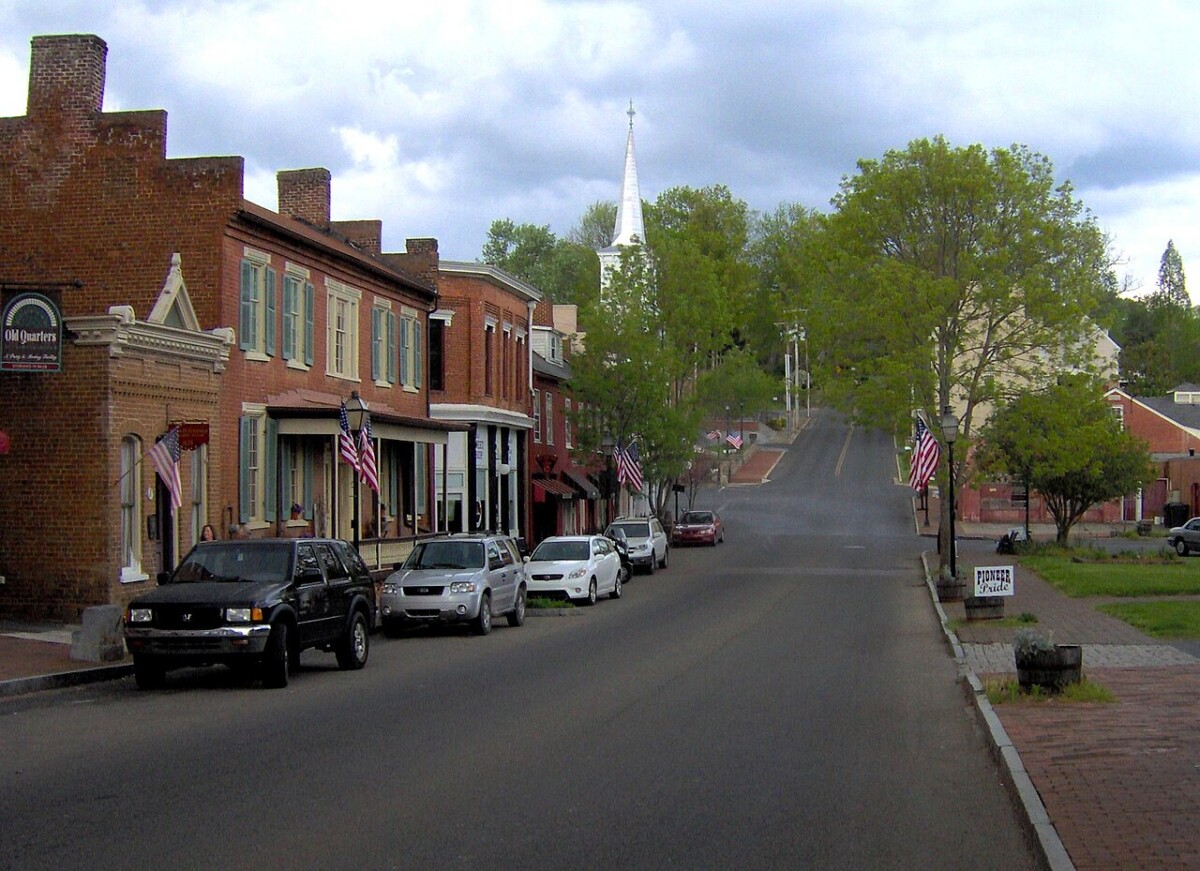
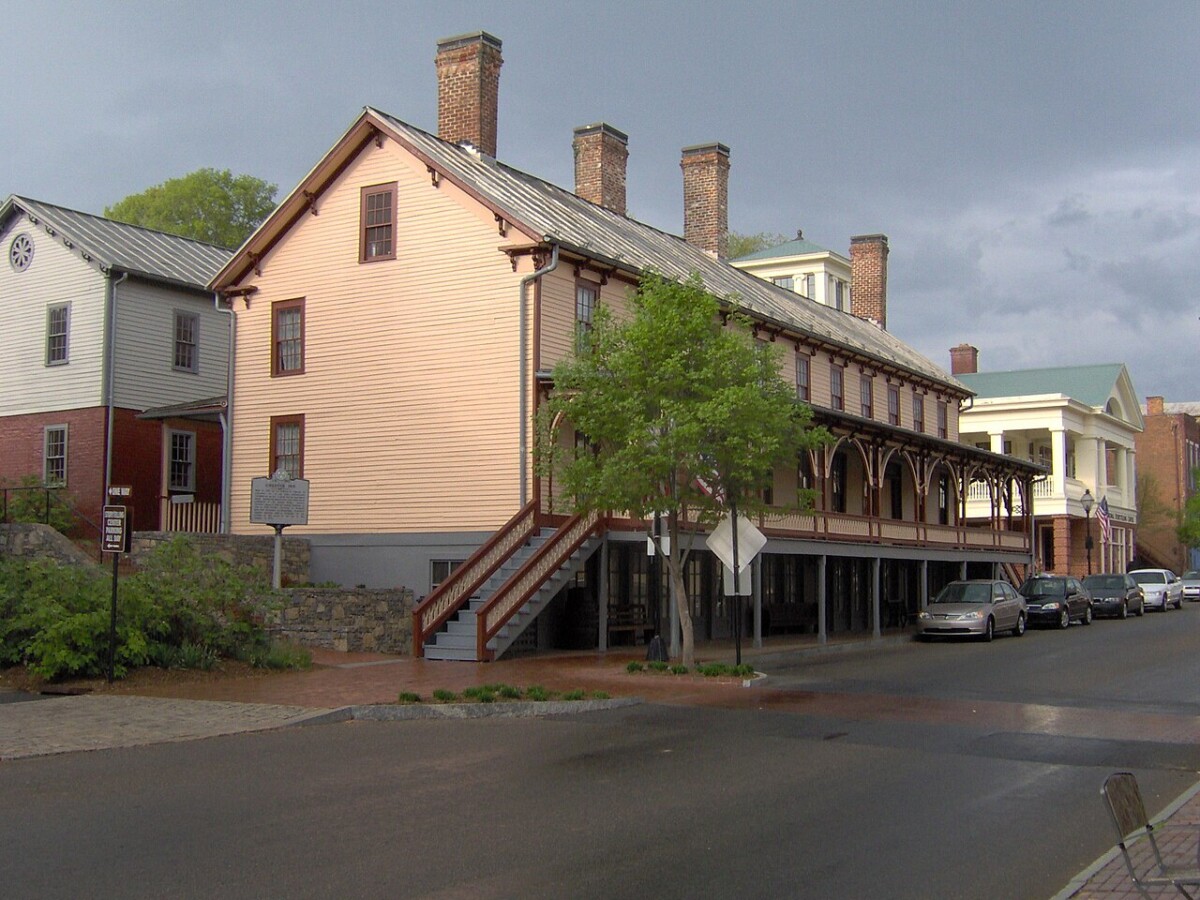
It is worth sitting with how strange that bet was. Jonesborough in 1973 had real assets. It was the oldest town in Tennessee, chartered in 1779, seventeen years before Tennessee was a state and while the whole region still answered to North Carolina. It was named for Willie Jones, a North Carolina legislator who had backed westward expansion across the Appalachians, and in 1784 it briefly served as the capital of the lost State of Franklin, the breakaway would-be fourteenth state that Congress never recognized before North Carolina reclaimed the territory. It had a Main Street full of Federal, Greek Revival, and Queen Anne buildings and the 1797 Chester Inn standing on the old stage road. What it did not have was a reason for anyone to stop. Plenty of Appalachian towns had old buildings and mountain views. Smith reached instead for something with no physical form at all, the oral tradition itself, and made the town the host of it.
The choice looks obvious now only because it worked. In 1973 there was no map for it. There was no storytelling festival anywhere to copy, no circuit of professional tellers to book, no audience that already knew it wanted to buy a ticket to hear tales told out loud. The first National Storytelling Festival was, by the accounts the town still keeps, the first public event dedicated exclusively to the art of storytelling held anywhere in the world. Building the first of anything means you also have to build the demand for it, and Jonesborough spent its first decade doing exactly that, one October at a time.
How it built the thing, decade by decade
The festival worked because Jonesborough treated it as infrastructure, not as a weekend. Two years in, in 1975, Smith founded the National Association for the Preservation and Perpetuation of Storytelling, a mouthful that the town simply called NAPPS. That organization gave the movement a home address, and the home address was Jonesborough. As storytelling spread through schools, libraries, and stages across the country in the 1980s, every thread led back to the same small courthouse square in northeast Tennessee. NAPPS grew, renamed itself the National Storytelling Association, and in 1998 split into two bodies, the National Storytelling Network and the International Storytelling Center, the second of which stayed put and put down roots.
Attendance tells the compounding story better than any mission statement. The sixty people of 1973 became about a thousand by 1980. By the mid 1980s roughly five thousand listeners were filling the historic district every October. The festival now runs the first full weekend of October and draws close to 10,000 people a year, with big circus style tents pitched across town in place of the original hay wagon. In October 2022 the festival marked its fiftieth year and counted about 10,500 guests from around the world at its golden jubilee.
Behind that curve was a deliberate institution-building effort that most festival towns never attempt. Because Jonesborough held the founding organization, it also became the place the whole American storytelling revival pointed back to. Tellers built careers on the Jonesborough stage. The organization grew large enough that in the 1990s it renamed itself the National Storytelling Association, and in 1998 it split cleanly into two: the National Storytelling Network, which serves the national community of tellers, and the International Storytelling Center, which stayed in Jonesborough and took on the job of running the festival and a permanent home for the art. The town did not just host an event that got popular. It incubated a national field and kept the headquarters.
Then Jonesborough did the thing that separates a festival town from a one weekend town. In 2002 the International Storytelling Center opened a permanent home in downtown Jonesborough, a campus that now includes the 14,000 square foot Mary B. Martin Storytelling Hall and its Center Theater, wrapped by the three acre Jimmy Neil Smith Park. From May to November the Center runs Storytelling Live!, a twenty six week Teller in Residence series that brings a different nationally known storyteller to town each week for matinee and evening performances. That converts a single October spike into a season, which is the difference between a town that gets busy once a year and a town that supports lodging, restaurants, and staff all summer.
What the bet created
The numbers that matter are small town numbers, and they are real. The International Storytelling Center operates on an annual budget of roughly 1.4 million dollars and reports an annual financial impact on the community of about 8 million dollars. For a town of 5,860 people, an eight million dollar cultural engine is not a rounding error, it is a sector. The festival is regularly described as one of the largest events in the region, and it draws an audience that skews toward exactly the kind of visitor a historic downtown wants, people who will spend a weekend, eat three meals a day out, and buy books and crafts on Main Street.
None of it would have held together without the second, quieter decision the town made in the same era. Jonesborough was early, genuinely early, to historic preservation. Its downtown was placed on the National Register of Historic Places in December 1969 as the first historic district in Tennessee and the second in the entire country, behind only Beale Street in Memphis. Staff of the Tennessee Historical Commission had surveyed 158 buildings and found 72 worth saving across a district of more than 120 acres. Through the 1970s the town stood up a Historic Zoning Commission to govern exterior changes and a Main Street program to keep the storefronts commercial rather than hollow. So when five thousand and then ten thousand people arrived looking for something old and authentic, the town had spent a decade making sure the backdrop was still standing.
The timing of those two decisions is the part other towns tend to miss. The preservation listing came in 1969 and the festival came in 1973, close enough that they grew up together rather than one being bolted onto the other. A town that preserves its downtown but has no reason to visit ends up with a beautiful, empty museum street. A town that stages a big event but lets its buildings rot ends up with a parking lot and a tent. Jonesborough did both at once, and each decision made the other pay off. The preserved storefronts gave ten thousand annual visitors somewhere worth walking, and the visitors gave the storefronts a reason to stay open and cared for. Ninety years of architecture, from Federal to Queen Anne, still lines the same blocks the tellers perform between.
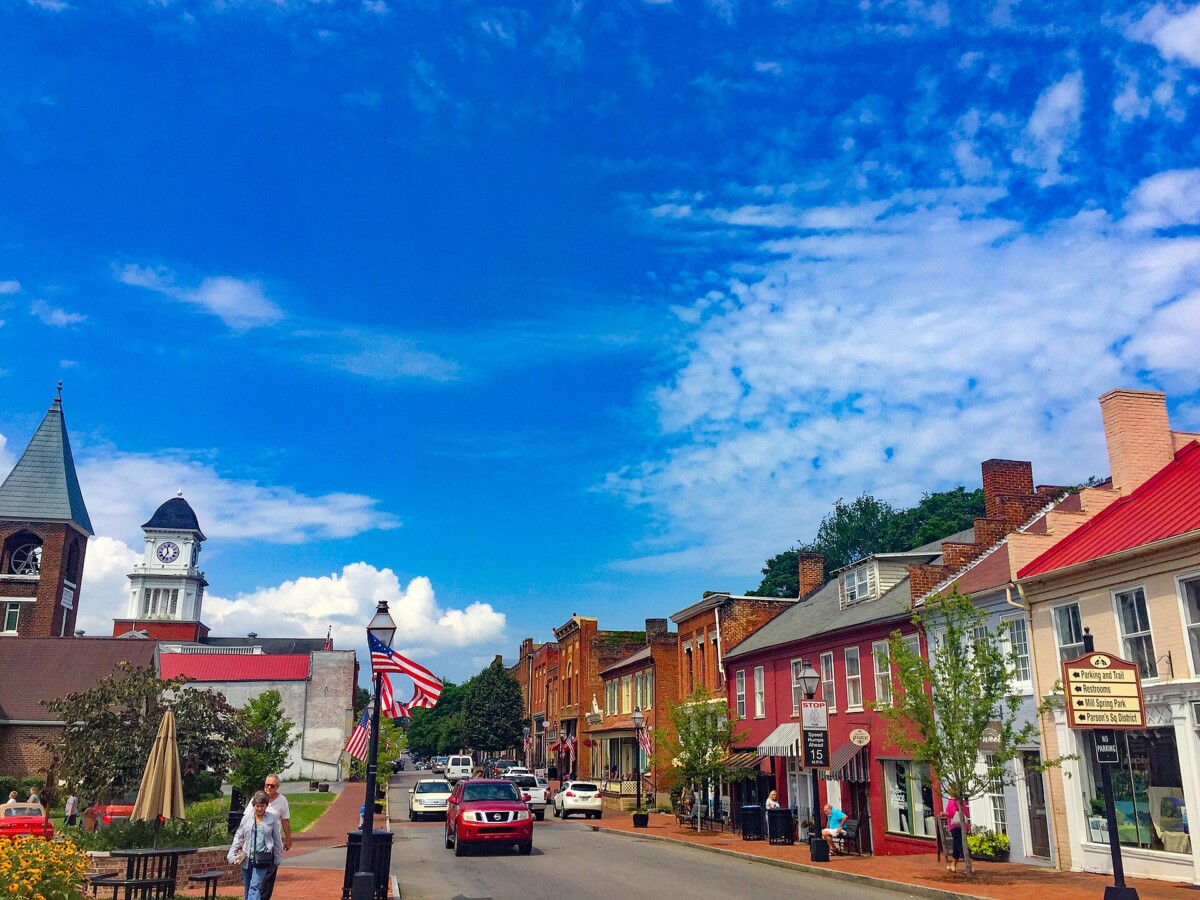
That is the compounding effect at the heart of this case. A signature event needs a stage, and preservation had kept the stage intact. Preservation needs a reason for the public to care, and the festival supplied a global one. The Chester Inn, opened in 1797 and the oldest commercial building in town, was bought by the State of Tennessee in 1989 and reopened as a museum in 2011 that walks visitors from 1779 to the present. The Washington County courthouse still anchors the square. The result is a downtown where the architecture and the anchor reinforce each other instead of competing for the same tourist dollar.
What a visitor does today
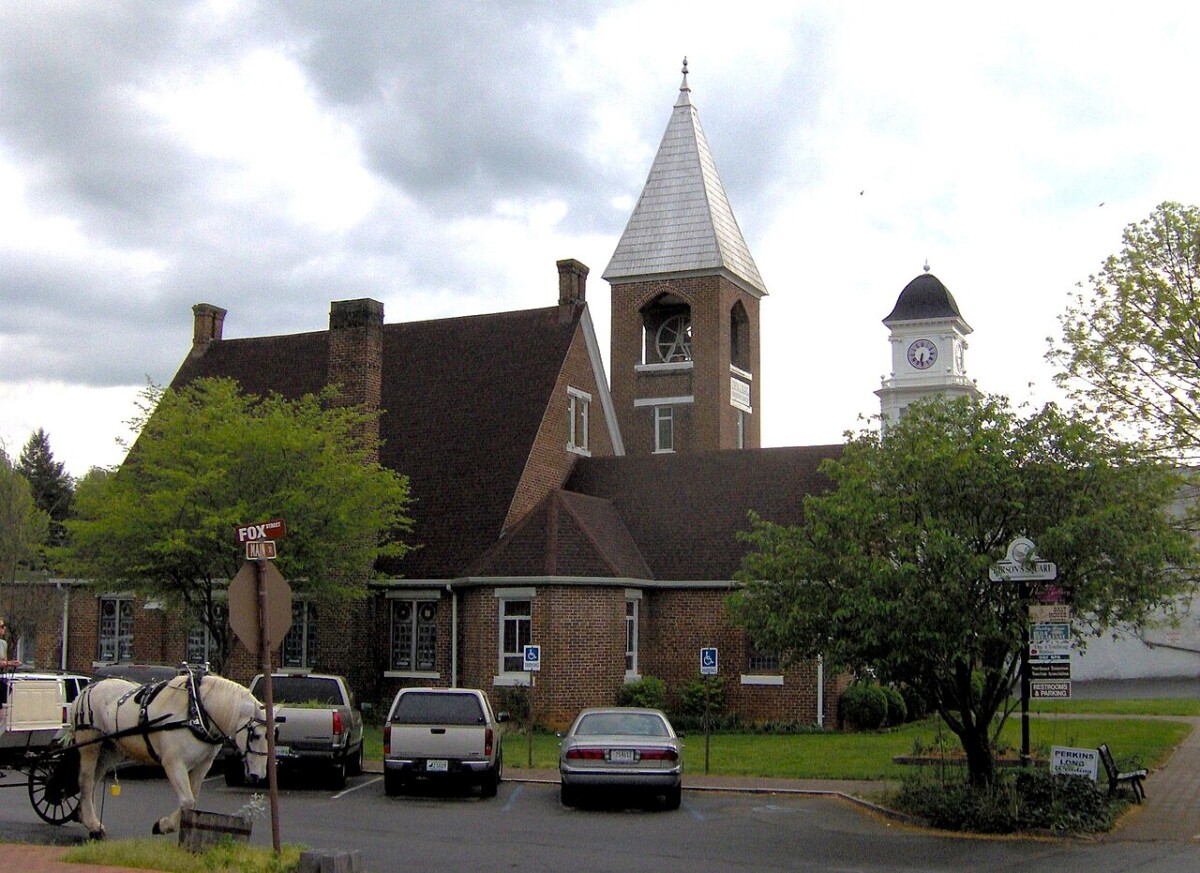
Outside of festival weekend, Jonesborough reads as a walkable, unusually intact main street town. A visitor parks once and covers the whole historic district on foot, from the Chester Inn museum to the courthouse to the Storytelling Center campus. In season, the Teller in Residence matinees give a Tuesday afternoon a reason to exist. The town keeps its own calendar full beyond storytelling, with Jonesborough Days around the Fourth of July and the recently reopened Jackson Theatre, a roughly hundred year old venue that came back online late in 2024 as a multi use performance space. The through line is that almost everything worth doing is within a few blocks of everything else, which is what a preserved grid buys you.
The town has also had to prove its resilience. When Hurricane Helene tore through northeast Tennessee in the fall of 2024, the region took a heavy blow, and organizers still brought the National Storytelling Festival off the following year and reported it a success, a small but telling sign that the institution is now load bearing for the local economy rather than optional.
What is next, and why other towns should read this
The obvious risk for Jonesborough is the one every founder led institution faces. Jimmy Neil Smith, the country boy with a dream, died in March 2025 at the age of 77, and the festival and the Center now have to carry his idea without him. The good news for the town is that the idea stopped depending on any one person a long time ago. The brand is bigger than the founder, the Center owns a permanent campus, and the season is programmed months out. The task ahead is stewardship, not invention.
For the towns that come to Creative City Developments asking how to find their own hook, Jonesborough is the purest version of the lesson. You do not need a coastline, a canyon, or a factory. Detroit Lakes, Minnesota proved a version of this recently by installing Danish artist Thomas Dambo’s giant wooden trolls and turning them into roughly 6 million dollars of visitor spending in a single stretch of 2024, as we covered in our Detroit Lakes flagship study. Jonesborough proved an even harder version fifty years earlier, and with no sculpture at all. It picked one idea, committed to it for decades, built a permanent institution to hold it, protected the downtown that hosts it, and let the two reinforce each other until the name of the town and the name of the thing became the same word. That is the whole playbook, and almost any town can run it if it is willing to wait.