How to attract tourists to a small town: what 169 towns did
Creative City Developments. Published November 4, 2026. Facts last checked November 2, 2026.
For people in tourism offices, DMOs, CVBs, chambers and main street programs who have been asked how to attract visitors. See what 169 towns really did, then pick your move.
169towns from our three books: 89 in the United States, 80 in 32 other countries
22different moves, sorted from what each town did
148of the 169 used more than one move. The average is 2.5
The short answer. Most of these towns made something a visitor could get only there, and then kept at it. Most began with private people or volunteers, not a tourism office. Many began after a loss. Most are small.
These are winners, so they show what winners did, not your odds. We found no study showing these moves cause visitor growth. One outside test of downtown programs, which compared them with similar towns in four Midwest states, found no significant overall effect, with Iowa the exception (Van Leuven, 2021). Use this as a menu, not a promise.
Start here: the swap test
A 2007 assessment by Destination Development applies this test to promotional text. Change the words and see.
Is the second line still true?
The 22 moves
Give them a date
Give them something to see
Give the town one identity
Sell what only you have
Catch people already moving
Tap a move to jump to it. A town counts under every move it clearly used, so the bars add up to more than 169. The sorting is our judgment, from the books' own text, and so are the Fits and Watch for lines in each card. The full table is below, so you can disagree with it.
Which move fits your town?
Tick what you have today. Be strict.
Give them a date
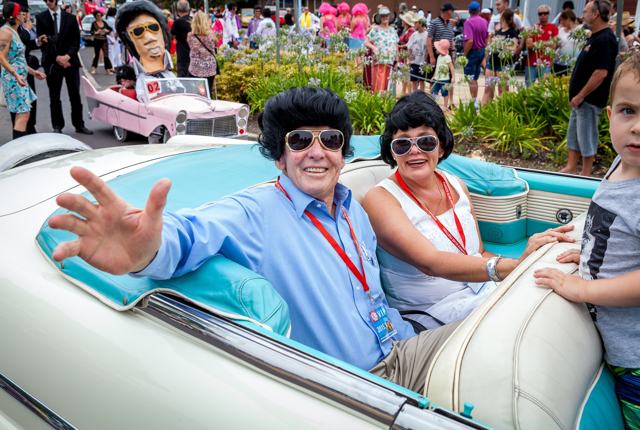 One yearly festivalRun it again and again until the date belongs to you.63 of 169Parkes, New South Wales
- Parkes, Australia, chose January because trade was slow. The first festival, in 1993, drew 195 people. The state tourism agency estimated 26,000 in 2026.
- Four citizens of Wilber, Nebraska, began planning a Czech festival in February 1962. A 1967 account says the first drew 20,000. A co-founder later recalled 10,000.
- Munich repeated a royal wedding party from 1810, with gaps for war and crisis.
Fits a town that has volunteers and a date with no rival. This is the cheapest move to test.
Watch for: an event can outgrow you. County officials, citing costs and pressure on resources, decided to end St George's IRONMAN 70.3 after May 2025.
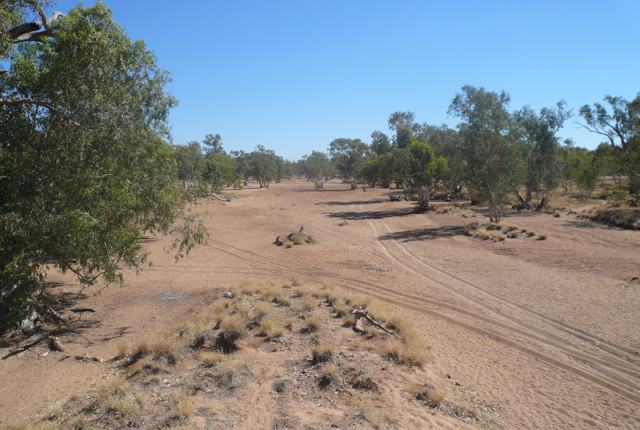 An odd race or contestInvent a game people come to enter or watch.13 of 169Alice Springs, Northern Territory
- Liberal, Kansas: in 1950 the Jaycees challenged Olney, England, to a pancake race. The 2026 race was billed as the 77th year.
- Alice Springs, Australia: a boat race on a dry riverbed since 1962, in boats with no bottoms. Water in the river cancelled it in 1993.
- Macklin, Saskatchewan: the town and chamber's bunnock championship, a game played with horse ankle bones, began in 1993 with 80 teams. About 320 were set to play in 2025.
Fits a town that can laugh at itself and has a few people who will run it for decades.
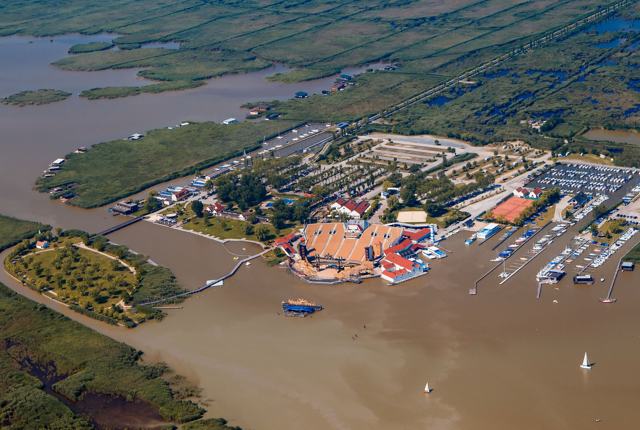 A performance seasonGive people a stage to come back to.8 of 169Mörbisch am See, Austria
- Medora, North Dakota, 121 residents: Harold Schafer started the Medora Musical in 1965, and a foundation now runs it.
- Rosebud, Alberta, 112 residents: a 1973 arts camp grew into a theatre that reports over 35,000 visitors a year.
- Mörbisch am See, Austria: a lake stage festival began in 1957, and it says its grandstand now holds 6,100 seats.
- Lenox, Massachusetts: Tanglewood has been the Boston Symphony's summer home since 1937. A 2017 Williams College study put its yearly activity above $103 million.
Fits a town that has a founder or patron with long patience.
Give them something to see
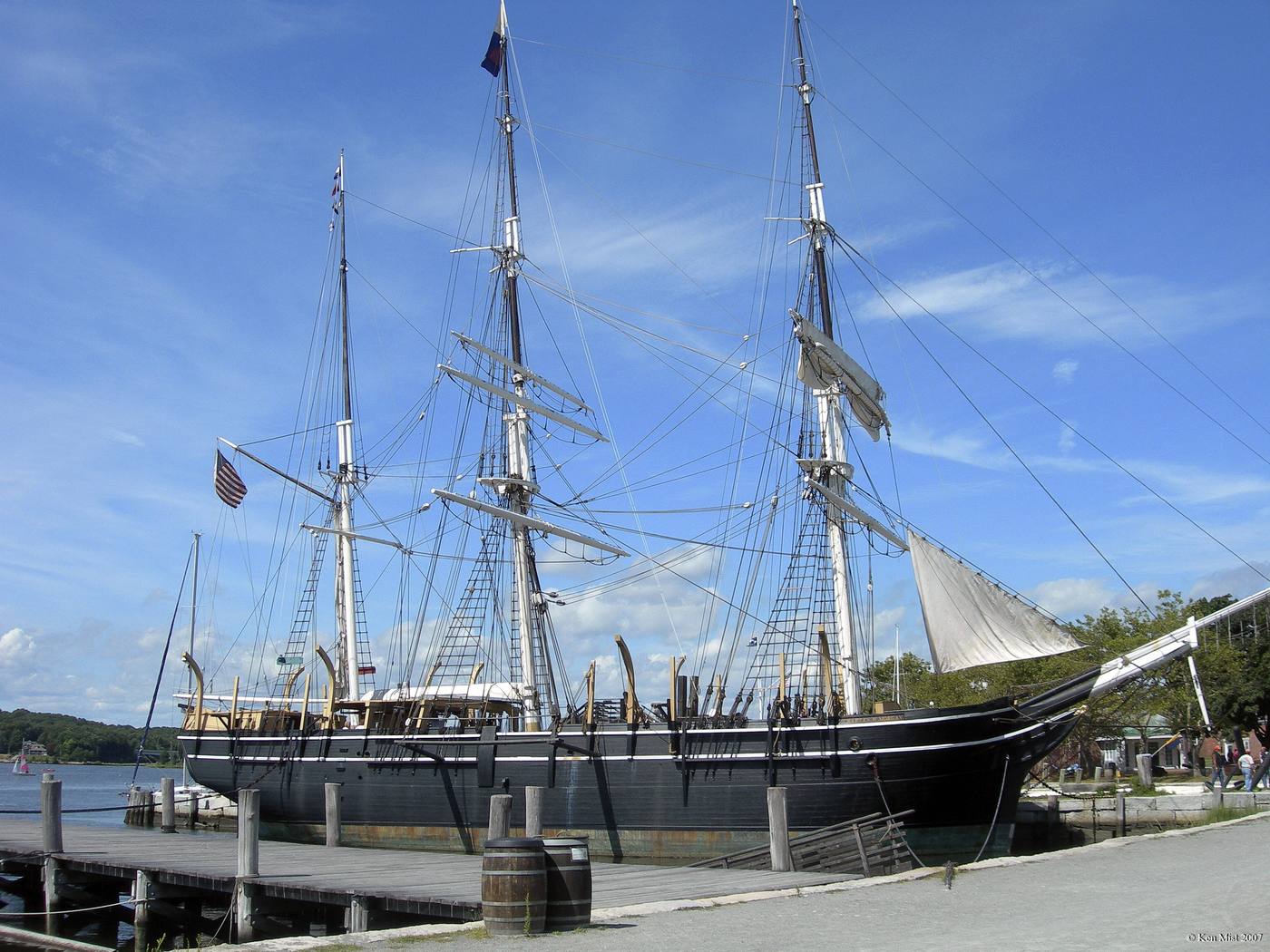 One serious institutionOne institution gives people a reason to make the trip.51 of 169Mystic, Connecticut
- Three Mystic residents founded a maritime museum in 1929.
- Wamego, Kansas, built its Oz Museum with a $100,000 state tourism grant, $400,000 committed by the community and over 5,000 volunteer hours.
- A historical society founded Mennonite Heritage Village in Steinbach, Manitoba, in 1964. Its director reported about 50,000 visitors in 2023.
Fits a town that has a real story or site, and someone able to run an institution for decades.
Watch for: the story does not have to be solid. The Hall of Fame itself says the Doubleday story behind Cooperstown has been refuted. Most anchors take a funder.
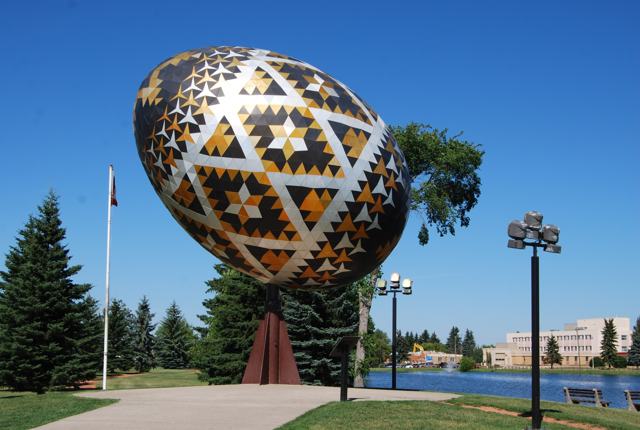 Something giant or absurdBuild the thing people pull over to photograph.23 of 169Vegreville, Alberta
- Vegreville, Alberta: the chamber used centennial funds for a 31-foot Ukrainian Easter egg.
- St. Paul, Alberta: a UFO landing pad opened in 1967 as a centennial project.
- Glendon, Alberta: a giant pyrogy from 1991. A fork was added later so people would recognize it.
- Cawker City, Kansas, 457 residents: a farmer's ball of twine. Since 1982, visitors add to it.
Fits a town that sits on a highway and has a sense of humor.
Watch for: a photo stop is not a stay, so ask what would keep people overnight. Baker, California's 134-foot thermometer went dark in 2012 over an $8,000 a month electric bill, until the builder's widow regained it and relit it in 2014. Plan for upkeep.
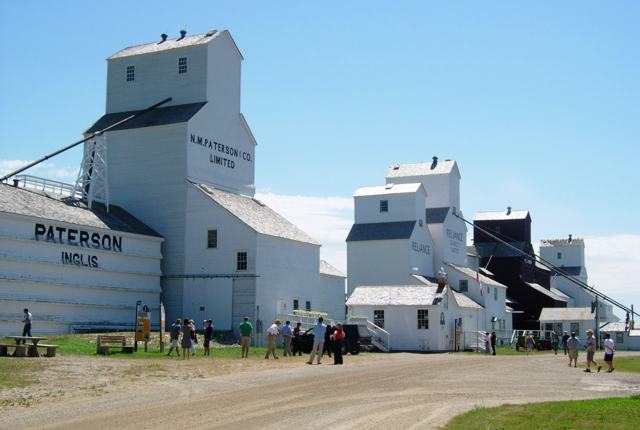 Reopen what closedMake the closed thing the attraction.21 of 169Inglis, Manitoba
- Inglis, Manitoba: after a 1994 tourism forum, residents saved five grain elevators, donated by the companies. The row became a National Historic Site.
- Quorn, South Australia: volunteers restored about 40 km of railway and still run it.
- Kalkar, Germany: an investor turned a reactor that never ran into a theme park. The park's own information puts visitors at about 600,000 a year.
Fits a town that has a big empty structure and volunteers who love it.
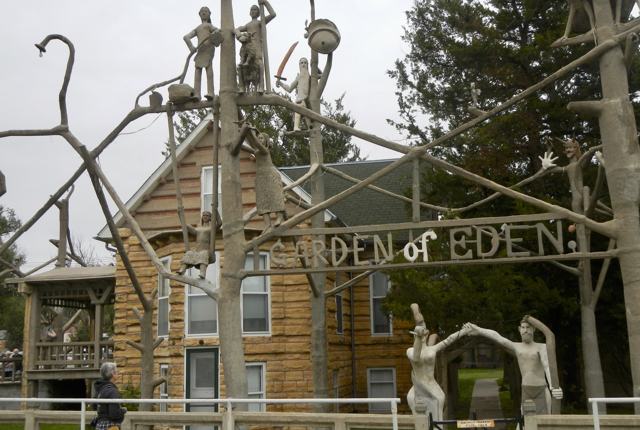 One person's obsessionBack the collector or self-taught builder you already have.11 of 169Lucas, Kansas
- Lucas, Kansas, 332 residents: S.P. Dinsmoor's concrete Garden of Eden draws over 10,000 visitors a year, says the foundation that restored it.
- Minden, Nebraska: plastics maker Harold Warp opened Pioneer Village in 1953. It holds over 50,000 items.
- Lemmon, South Dakota: Ole Quammen and his son built a petrified wood park in the Depression, giving unemployed men work.
Fits a town that has one person like this now. Plan for the day they are gone.
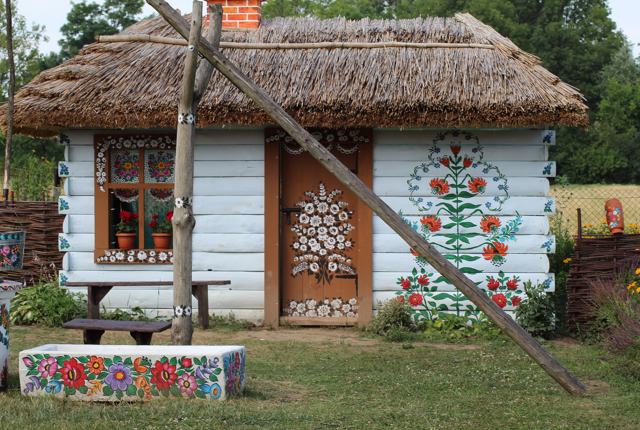 Paint the townMake the town itself the art.6 of 169Zalipie, Poland
- Zalipie, Poland: a painted cottage contest has run since 1948. A 2018 report put visitors at nearly 19,000 a year.
- Oodnadatta, South Australia, 102 residents: the Plates painted their store pink and named the track outside it.
- Tucumcari, New Mexico: nearly 100 murals, by the state's count. Other pages say 40 to 50.
Fits a town that has plain walls, willing owners and little money.
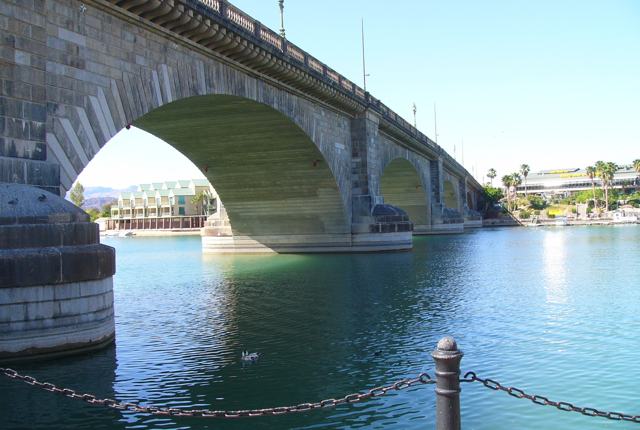 Buy a famous thing and ship it inBring in something nobody expects to find there.4 of 169Lake Havasu City, Arizona
- Lake Havasu City, Arizona: Robert McCulloch paid $2,460,000 for London Bridge in 1968.
- Elk Horn, Iowa: over 300 volunteers rebuilt a windmill bought in Denmark.
- Fulton, Missouri: a Wren church bombed in 1940 moved stone by stone to a college campus.
- Burlington, Colorado: the county paid $1,200 for a 1905 carousel in 1928. It is now a National Historic Landmark.
Fits a town that has a link to the place it comes from. Elk Horn is Danish. Fulton heard Churchill's speech.
Give the town one identity
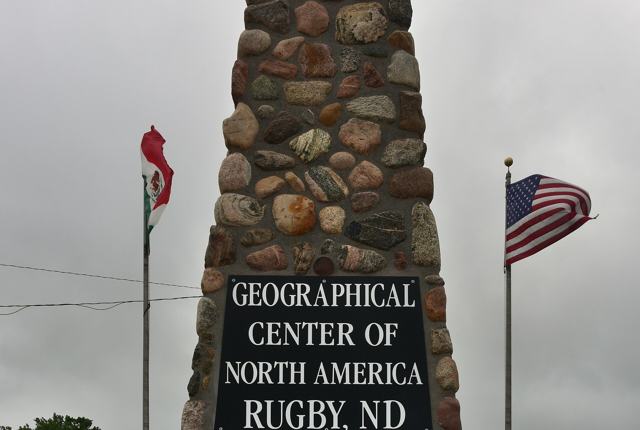 Claim a titleBe the capital or center of something, and defend it.29 of 169Rugby, North Dakota
- Rugby, North Dakota: its center of North America claim went to a bar's trademark in 2016 after Rugby's lapsed. Rugby won it back by 2018.
- Gore, New Zealand, which bills itself as the brown trout capital: the Lions Club gave the town a trout statue in 1989.
- Felicity, California: county supervisors named it the Official Center of the World in 1985, at the landowner's request.
Fits a town that has no budget. A title costs almost nothing, and it needs a second move to mean anything.
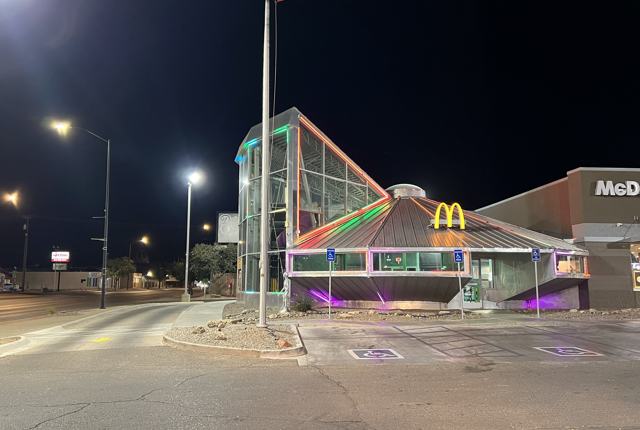 Adopt a storyTake a legend, book or joke as your identity.24 of 169Roswell, New Mexico
- Riverside, Iowa: on March 25, 1985 the council voted to claim Captain Kirk's future birthplace. Trekfest reached its 41st edition in 2026.
- Roswell, New Mexico: the International UFO Museum was incorporated in 1991.
- Pacanów, Poland: a famous children's comic sends a goat around the world in search of the town. It took the joke, and its fairy tale centre opened in 2010.
- Vulcan, Alberta: Star Trek conventions since 1993, and a starship replica since 1995.
Fits a town that already gets the joke, or has a story nobody else can claim.
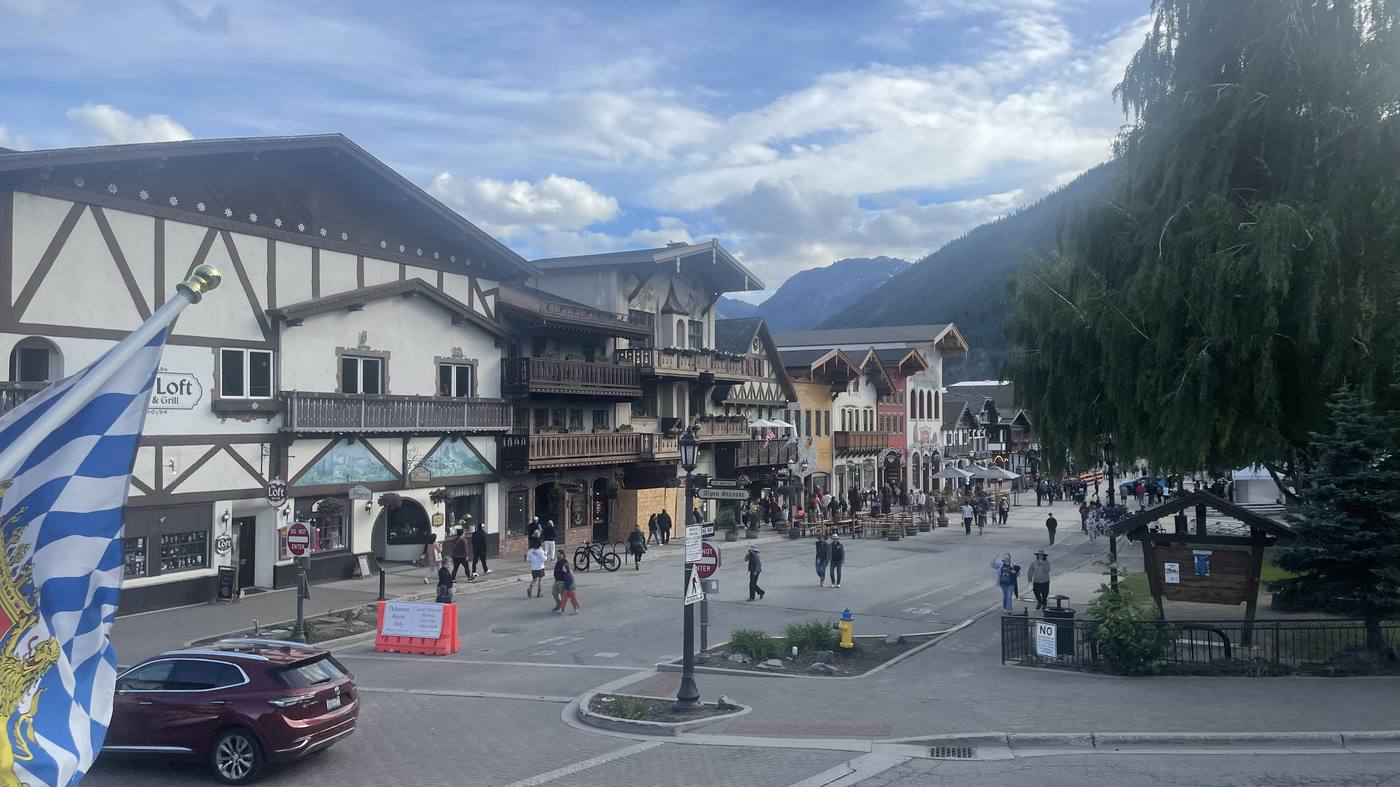
Dress the whole townThe town chooses a look and commits.23 of 169Leavenworth, Washington
- Leavenworth: a chamber self-study from 1962, two businessmen pushing Bavaria, and a design board from 1970.
- Winthrop, Washington: the Wagners paid most of the cost of an Old West remake, and a town code keeps it.
- Bulls, New Zealand: from 1990 businesses took bull puns on matching signs. The police station is Const-a-bull.
Fits a town that can get nearly every owner on one street to agree, for good. This is the hardest move to reverse.
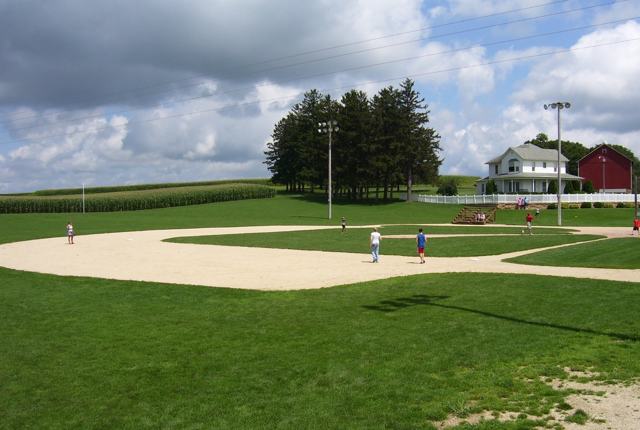 Keep the film setDo not tear it down when the crew leaves.9 of 169Dyersville, Iowa
- Dyersville, Iowa: a farmer kept his part of the Field of Dreams open free. By 2021 the site drew over 125,000 visitors a year.
- Pioneertown, California: in 1946 actor Dick Curtis and his backers, Roy Rogers among them, put in $500 each to build an Old West set.
- Tabernas, Spain: owners of a Western set announced about 10 million euros in 2023 to lift visitors above 300,000 a year. A 2026 report now puts the plan at 20 million by 2031.
Fits a town that got lucky once. Most film links are luck, so do not plan on one.
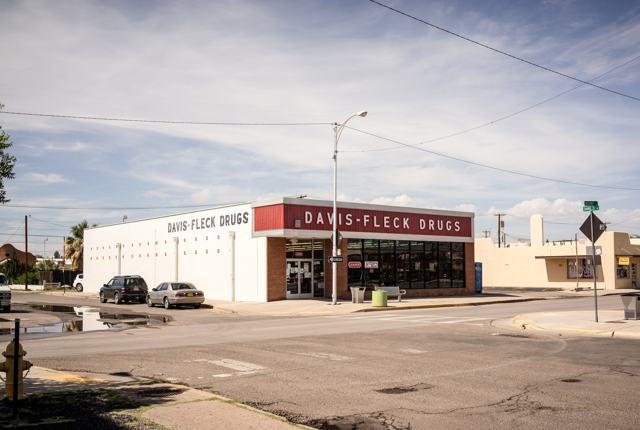 Change the nameTake a name people will remember.4 of 169Truth or Consequences, New Mexico
- Hot Springs, New Mexico, became Truth or Consequences in 1950, after a radio show. The name stuck, but our book finds it did not rebuild the bathhouse trade. Census counts show under 5,000 people in 1950 and 6,052 in 2020, down from 7,289 in 2000.
- North Tarrytown voters chose the name Sleepy Hollow in 1996, 1,304 to 710, after a failed vote in 1988.
Fits a town that has little left to lose, and a real story behind the new name.
Sell what only you have
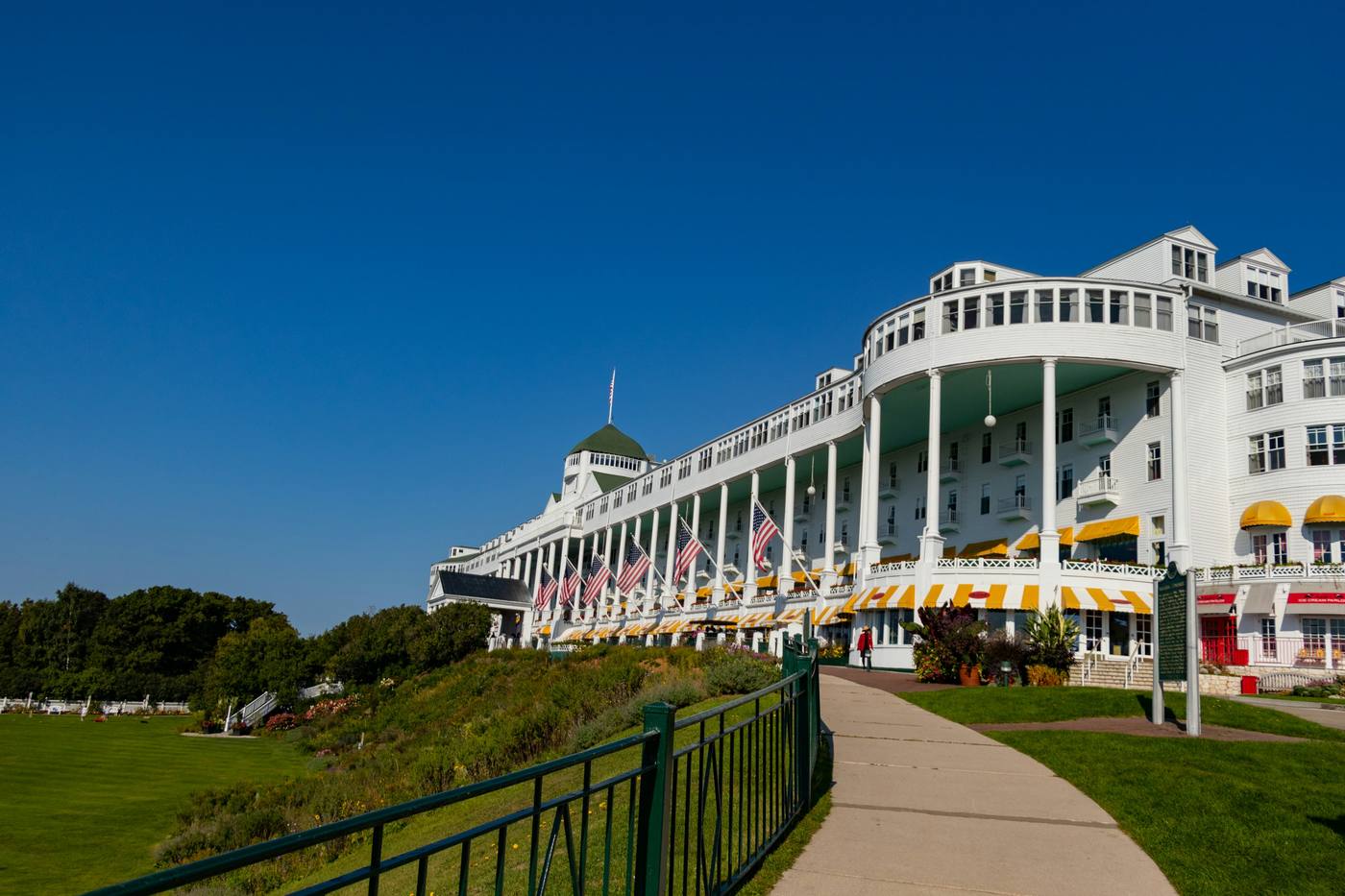 Protect what cannot be rebuiltDecide the old thing stays, then make that hard to undo.38 of 169Mackinac Island, Michigan
- In 1898 Mackinac Island's village council banned cars on a petition from carriage businesses.
- In Franklin, Tennessee, a Pizza Hut on the battlefield came down in 2005. In 2012 groups paid $1.85 million for a strip center so it could go too.
- In 1989 a trust in Ōamaru, New Zealand, bought eight Victorian buildings for $80,000. Steampunk came later.
Fits a town that still has a historic core or landscape nobody else has.
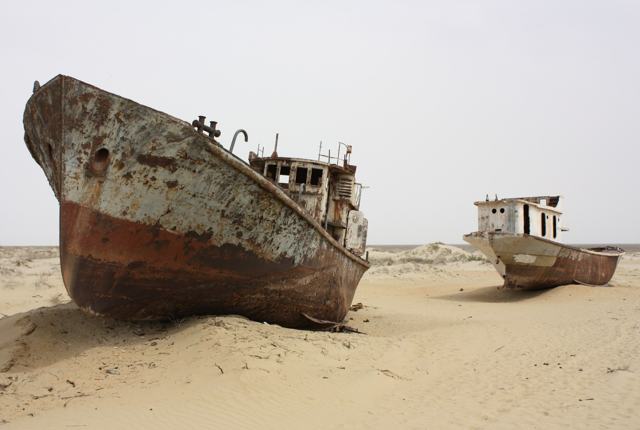 Sell the hard thingThe heat, the dark, the distance or the loss can be the draw.19 of 169Moynaq, Uzbekistan
- Coober Pedy, South Australia: under 1,500 residents, about 150,000 tourists a year by its visitor centre's count, and an underground hotel since 1988.
- Mitzpe Ramon, Israel: its crater became the Middle East's first Dark Sky Park in 2017.
- Moynaq, Uzbekistan: the sea left. The ship graveyard and museum stayed, and a music festival began in 2018.
Fits a town that has something people complain about. Ask what a stranger would drive to see because of it.
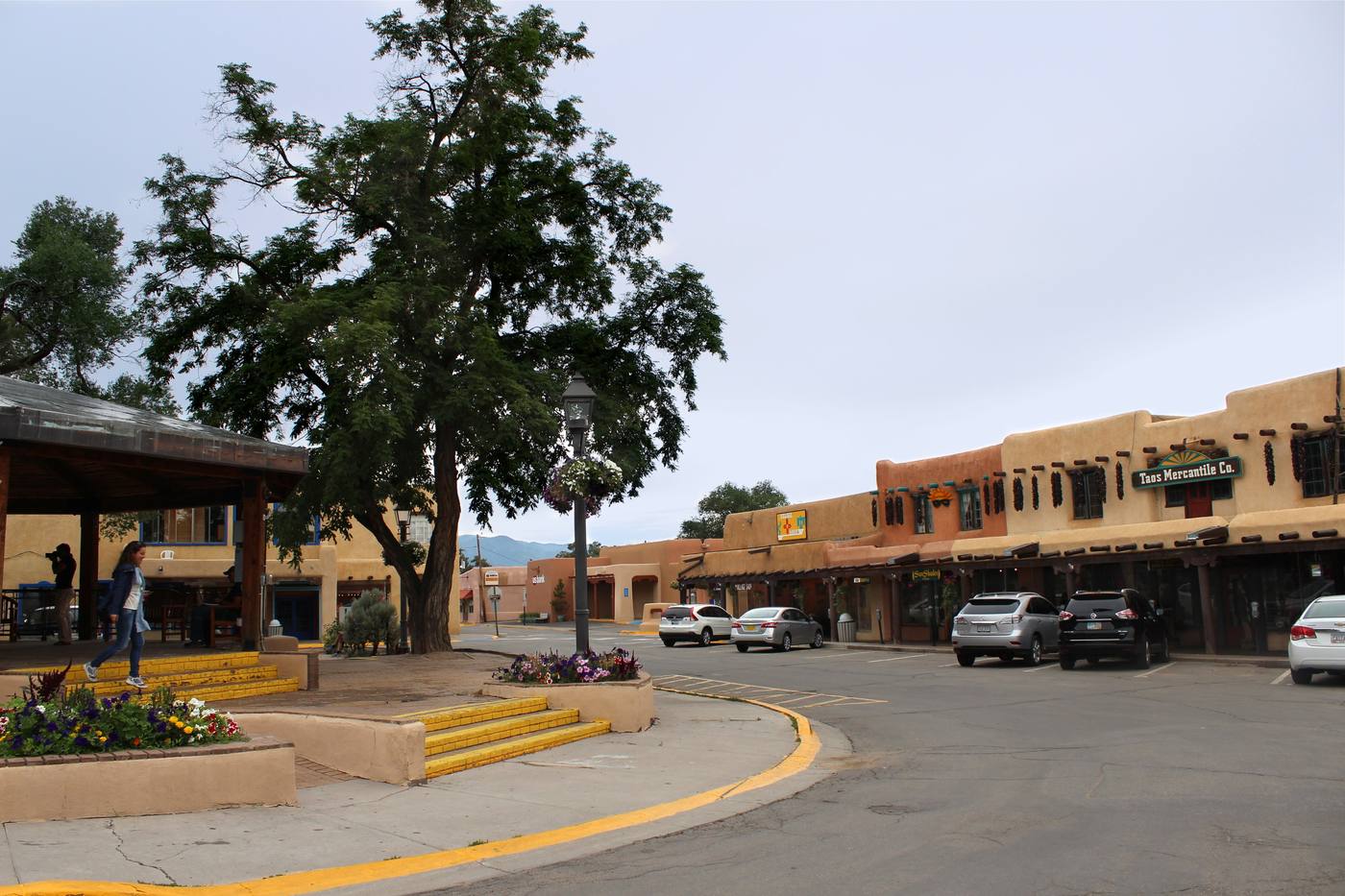 Gather the makersGive artists a reason to come and stay.15 of 169Taos, New Mexico
- Six painters formed the Taos Society of Artists in 1915.
- Artists founded the Rockport Art Association in 1921. When the red fish shack they painted fell in the 1978 blizzard, the town rebuilt it that year.
- Ajo, Arizona: a nonprofit turned a closed school into 30 affordable artist homes, reopened in 2007.
Fits a town that has cheap space and something worth painting or making. It is slow to pay off.
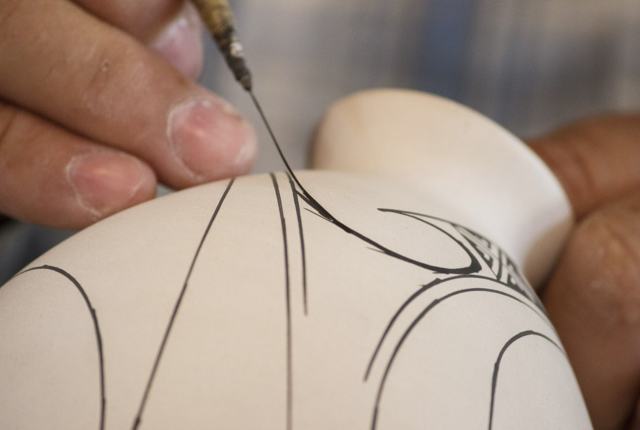 One food or craftMake what you grow or make the reason to come.14 of 169Mata Ortiz pottery, Mexico
- Holambra, Brazil: after their imported cattle died, a newer group of Dutch settlers began growing flowers in 1951. Its flower show began in 1981.
- Mata Ortiz, Mexico: Juan Quezada taught himself pottery from old shards. A village of about 1,200 now has hundreds of potters.
- Gaiman, Argentina: Welsh tea houses. UN Tourism named it a Best Tourism Village in 2024.
Fits a town that already makes something by hand or grows something unusual.
Catch people already moving
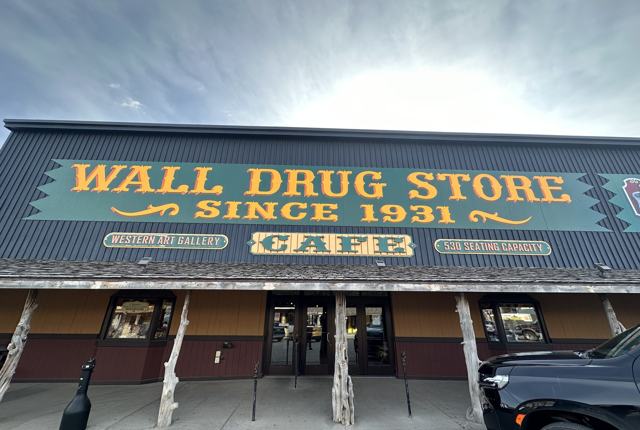 Catch the roadGive passing drivers a reason to stop.15 of 169Wall, South Dakota
- Wall, South Dakota, 699 residents: Dorothy Hustead proposed free ice water signs in 1936. Wall Drug says over 2 million people visit each year.
- Holbrook, Arizona: Chester Lewis finished 15 concrete teepees on Route 66 in 1950. His family reopened them in 1988.
- Tucumcari, New Mexico: the neon, the murals and the Blue Swallow Motel, on the same road.
Fits a town that sits on a road people already drive. A free thing and a lot of signs can be enough.
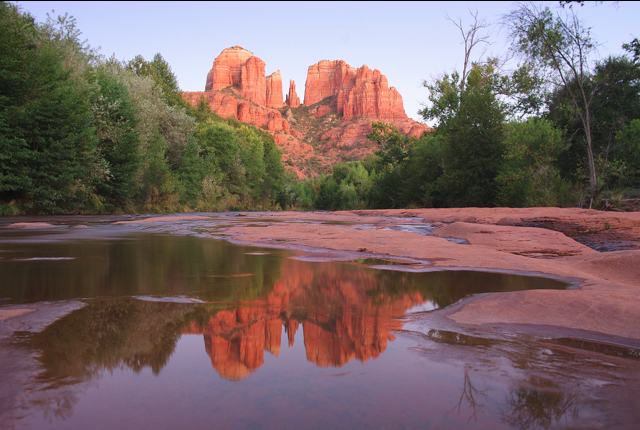 Sell the stayMake the night itself the product.15 of 169Sedona, Arizona
- Sedona, Arizona: the red rocks were always there. Our book's reading is that the town sold the stay, with resorts and spas, rather than the view alone.
- El Gouna, Egypt: from 1989 Samih Sawiris built a town of lagoons and hotels.
- Stowe, Vermont: the von Trapp family bought a farm in 1942 and began welcoming guests in 1950.
Fits a town that has a view or a climate, and someone to invest in beds. Beds carry the money (see below).
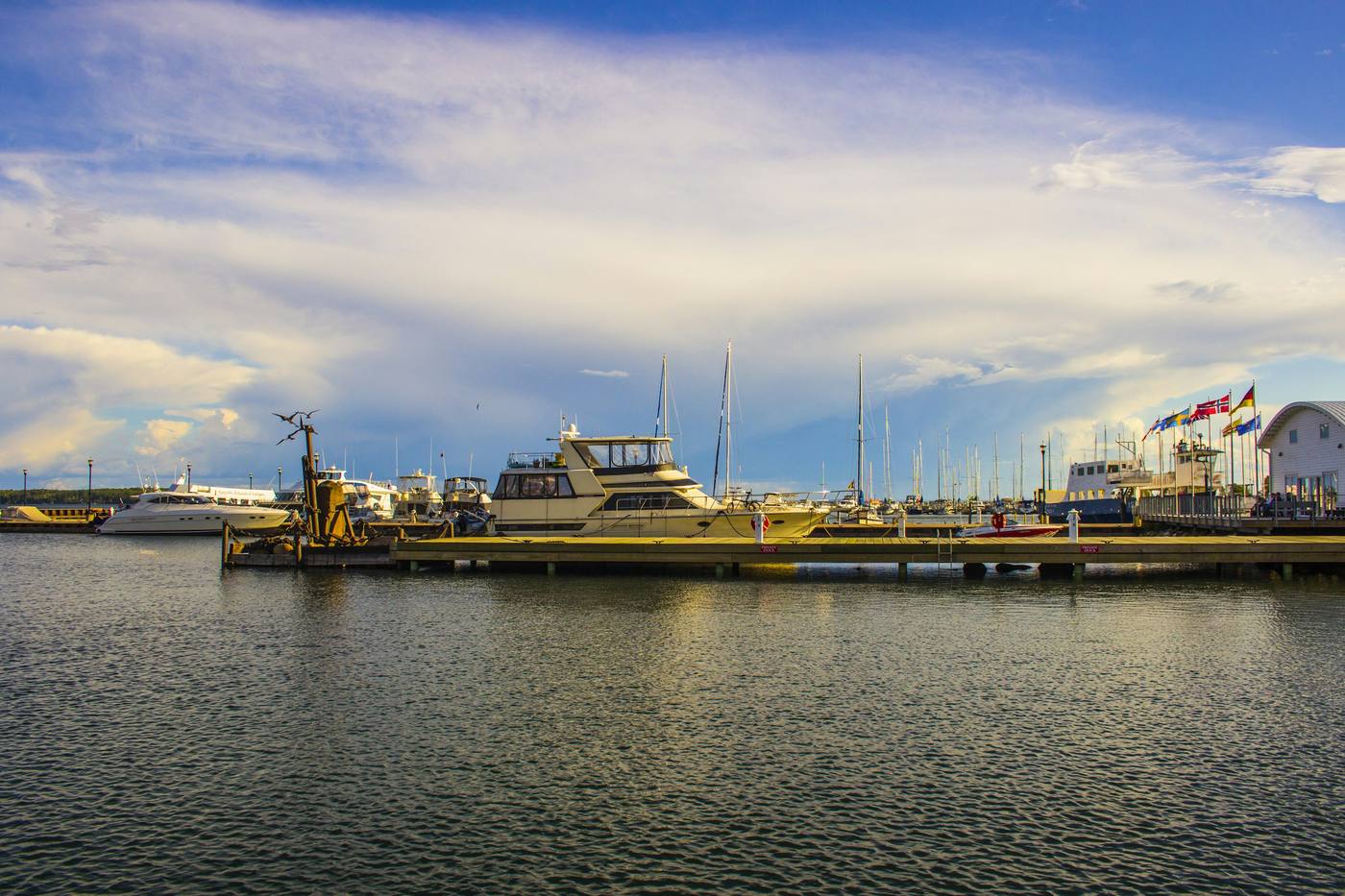 Be the front doorAttach the town to a place people already want to reach.11 of 169Bayfield, Wisconsin
- Bayfield, Wisconsin, about 590 residents, sits beside Apostle Islands National Lakeshore. The Park Service estimates 253,703 visits to the lakeshore in 2024, with $49.3 million spent across its gateway region (NPS model).
- Springdale, Utah, sits at Zion's gate and keeps control of its looks: its town code limits lighting, and the Zion shuttle was built with the town.
- El Chaltén, Argentina: the province founded it in 1985 amid a border dispute. A national law later named it Capital of Trekking.
Fits a town that is close to a park, a landmark or a route, which is most of the luck here.
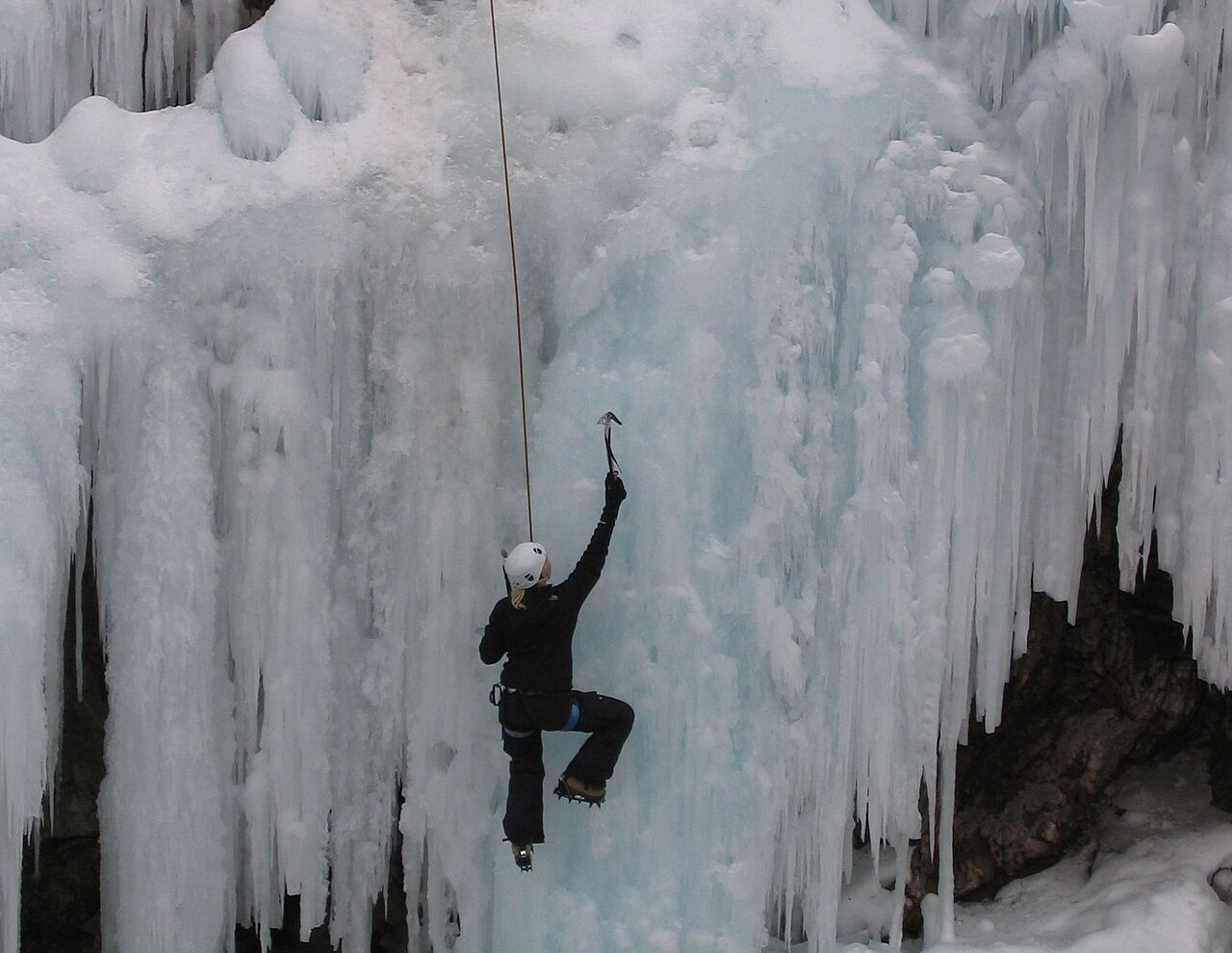 Build around a sportGive one kind of athlete a reason to come.7 of 169Ouray, Colorado
- Ouray, Colorado: ice climbing, farmed on a gorge wall. See the worked example below.
- Iten, Kenya: runner Lornah Kiplagat funded a training centre that opened in 2000. It says over 800 athletes train in Iten.
Fits a town that has terrain or a climate a sport wants.
What the 169 have in common
They are small. More than half of those with a stated population have under 5,000 people.
32Under 1,000
531,000 to 4,999
255,000 to 9,999
2310,000 to 24,999
1925,000 or more
The latest population each book states, from various years. Mitchell uses the 2020 Census, because its book gives only an 1892 figure. Places such as Monaco are not small, and Munich states no population, so it is not counted.
Private people and volunteers started most of them. Only one was started by a tourism office.
Our reading of the books. For the 50 towns in Only Here we used a shorter list, so chambers, outsiders and colleges there are counted under private or residents; those three bars come from the other two books. Many of these moves are old, and we did not check whether each town had a tourism office at the time.
It is not all old history. The biggest decade is the 1990s, and more moves began since 1990 than before 1950.
11Before 1900
21900s
21910s
81920s
101930s
81940s
121950s
201960s
171970s
131980s
271990s
112000s
52010s
Start years as the books give them. Very recent moves may be undercounted, since a book about what worked needs time to pass.
A loss often came first. In 70 of the 169, the books name a loss before the move. Sometimes it came decades before.
Our sorting of what the books say. Other towns may have had a loss the book does not name.
Small places can pull big numbers. Each count here comes from the place itself or its tourism body, and none shows the move caused it.
2 million+visitors a year to Wall Drug, by its own count. Wall has 699 residents
150,000tourists a year to Coober Pedy, by its visitor centre. Under 1,500 residents
35,000+visitors a year to Rosebud, by the theatre's own count. Rosebud has 112 residents
What it brought in, in money
- Solvang: $7,316,516 in lodging tax in fiscal 2024-25, by the city's own summary.
- Gettysburg: $809.2 million in Adams County visitor spending in 2024, by the county tourism body's study.
- Harpers Ferry: 488,049 park visits in 2024, with $29.2 million in spending nearby, by Park Service model.
Some wrote it down
Among the 50 towns in Only Here, nine made a binding rule part of the story: Mackinac Island, Leavenworth, Winthrop, Springdale, Cape May, Galena, Mendocino, Cannon Beach and Tombstone. A festival can end. In our judgment, a rule or an institution is more likely to outlast its founders.
What it can cost
- Housing. In a study of 1,975 rural US counties, renters in recreation counties pay 23 percent of wages on housing, against 19 percent elsewhere (Headwaters Economics, 2020). Massachusetts says Provincetown has the state's highest share of housing registered as short term rentals, 27 percent.
- Residents who feel left out. In a self-selected Mammoth Lakes survey, 84 percent said tourism makes housing less affordable, against 39 percent nationally, and 17 percent said residents are consulted, against 32 (Longwoods, 2026). A similar survey near Lake Charles ran the other way, so ask your own.
- Crowding. Kennebunkport makes commercial tour buses reserve online and pay $50.
- Whose story. The state encyclopedia says Natchez Pilgrimage advertising typically presents slavery, when it comes up at all, as benign. The national park in Natchez now tells that history too. In Gallup, young Navajos leafleted against the Inter-Tribal Ceremonial in 1969. Ask early whose history you are selling.
- Needing someone else's yes. Stowe voters backed doubling a local tax in 2026, and the change died in the Vermont Senate.
What outside research adds
We found no study that proves a move causes growth. These show where the money and the risk tend to sit.
Count beds before you count crowds.
Paid lodging outside parks is 39.1 percent of party nights and 75.3 percent of gateway spending. A model, not a count (NPS, 2024).
People from away spend more.
Nationally, nonlocal attendees spent $60.57 against $38.46 for all attendees. Self reported, from the arts sector's own study (Wisconsin Arts Board, Americans for the Arts).
Word of mouth rivals search.
Among rural based travelers, word of mouth is 54.1 percent. A firm that sells destination research (Future Partners, October 2026). Sample size not stated on the page.
More research: trails, film, farms, Main Street and how long it takes
- Overnight is the money on a trail too. On the Great Allegheny Passage in 2008, overnight users spent $98 a day in trail towns, day users $13. In 2019, overnight users were 7.6 percent of visits. Paid for by trail backers (2009, 2021).
- It takes years. That trail's first segment came in 1978, and it was finished in 2013. An evaluator of Oregon's rural program says places tend not to make breakthroughs until at least a year after the workshops.
- Film is real, and luck. 34.5 percent of American travelers say they have visited a place because it appeared on screen, and 52.2 percent of Gen Z (Future Partners, 2026).
- Farm tourism is side income. 28,617 US farms reported $1.259 billion from it in 2022, about $44,000 a farm (USDA Census of Agriculture, Table 71).
- Main Street, two views. Programs report $23.13 reinvested per program dollar in 2025, by their own count with nothing to compare against (Main Street America). The Van Leuven test above found no significant overall effect on downtown or retail jobs, with Iowa the exception.
- Rents. Rural recreation counties had median household income $3,185 higher and median rent $1,080 a year higher, so rent took about a third of the income gain (USDA ERS, 2005).
One town, step by step: Ouray
| Step | What happened in Ouray, Colorado |
|---|---|
| The problem | Winter was slow. |
| Who took it on | Bill Whitt and Gary Wild bought a hotel in 1991 and wanted winter business. |
| What could not be moved | A steep gorge next to town. |
| The move | An ice climbing park, built by farming ice on the gorge walls. |
| The hurdle | They needed agreement from the hydro plant owner, who held the easement. |
| The test | The park had its first winter in 1994, free and open to the public. |
| What kept it going | It stayed free, and became a nonprofit by 1997. |
| The count | A study of the 2021 to 2022 season reports over 20,600 visits plus 4,000 at events, and estimates about 8,300 unique visitors. It estimates $13 million in direct spending (Rohlin, Kent State). |
Two cautions. The park hosts that study, it covers one season, and it does not compare Ouray with a town that built nothing. And this took years before there was anything to count.
Seven steps
No study compares the order of these steps, so the order is ours. It borrows from Maine's tourism office.
- Ask residents first. Run a short survey you can repeat each year. OECD says community acceptance cannot be assumed.
- Decide if you are a destination or a stop. Maine's readiness sheet says not every community has the assets to be a primary destination. A good stop is a fine thing to be.
- Walk your town as a stranger. List what pulls people in, and what lets them stay and spend.
- Choose one move. Use the picker above. Start with one; most of these towns ended up using several.
- Find the owner. Name the one person or group who will still care in ten years. If there is nobody, pick a smaller move.
- Run one small test. Try one weekend or one small event before you build anything. PPS describes small Nebraska towns using low cost projects such as parklets and benches.
- Count, then write it down. Track lodging nights or tax, downtown sales, the share who stay overnight, residents who feel consulted, and how accurate AI tools are about your town. Those five are our judgment, and they are untested. If the test works, write a rule or form a group that outlasts you.
Your one page
Print this page, or fill it in with one other person. Your ticks stay in this browser.
The three books
Every town here has its own chapter in one of our books: what it had, what it chose, what it built, and why it stuck. Each book ends with a note on how its facts were gathered, and its photo credits.
 Prairie Towns69 towns. Coming soon
What we sell, so you can weigh this. Creative City Developments works with whole towns and DMOs. We sell town assessments, publish the Visitor Impact Score, and wrote the books these cases come from. We have no paid client results to show you. These towns are public history, not our work.
Share this freely. Forward it, print it, quote it. Please cite: Creative City Developments, "How to attract tourists to a small town: what 169 towns did", last checked November 2, 2026.
Your next step
Before you pick a move, find out what a visitor can actually find today. Forty plain questions about what a visitor finds online, on the way in, on the main street and overnight. About ten minutes. You get a list of what is missing and the three things to fix first.
Take the free Town ChecklistRead next: How to make a visitor guide people use and How to pay for it: tourism grants.
All 169 towns
Search or filter. The sorting is our reading of the books. "Not traced" means the book does not say, or we could not confirm it.
| Town | Main move | Year | Who started it | What they did |
|---|
How we chose the 169, and what that means
The 169 are every town in our three books. We picked them because each became a place people travel to, and we could find a choice behind it.
- It is a list of winners. We did not look for towns that tried and failed, so almost none are on it. It shows what winners did, not your odds.
- Luck and location helped. Some sit beside a national park or a big city.
- Not all are small, and some fit a move loosely.
- Facts. Town facts in the table come from the books. The books carry one general sourcing note, not a source for each fact, so Source and Case links appear only for the 50 towns in Only Here. We re-checked each example named in the move cards against an outside source on November 2, 2026. Where sources disagree, we say so or give the range.
Sources
Each outside link in this guide was opened on November 2, 2026.
- Van Leuven, 2021 (andrewvanleuven.com): https://andrewvanleuven.com/files/papers/wp_msp2021.pdf
- Destination Development, 2007 (cattco.gov): https://www.cattco.gov/sites/default/files/downloads/Roger-Brooks/OnovilleMarinaLoRes.pdf
- chose January because trade was slow (parkeselvisfestival.com.au): https://www.parkeselvisfestival.com.au/about/festival-history/
- estimated 26,000 (destinationnsw.com.au): https://www.destinationnsw.com.au/newsroom/parkes-turns-up-the-love-for-the-2026-elvis-festival
- began planning a Czech festival (nebraskaczechsofwilber.com): https://www.nebraskaczechsofwilber.com/about
- later recalled 10,000 (klkntv.com): https://www.klkntv.com/that-first-year-we-didnt-expect-anyone-but-10000-came-doris-ourecky-remembers-61-years-of-czech-days/
- repeated a royal wedding party (oktoberfest.de): https://www.oktoberfest.de/en/magazine/tradition/the-history-of-oktoberfest
- decided to end (endurancesportswire.com): https://www.endurancesportswire.com/greater-zion-will-host-final-edition-of-ironman-70-3-st-george-in-2025/
- challenged Olney, England (pancakeday.net): https://pancakeday.net/history/
- a boat race on a dry riverbed (henleyontodd.com.au): https://www.henleyontodd.com.au/about_us
- Water in the river cancelled it (worldrowing.com): https://worldrowing.com/2018/10/18/water-needed-for-this-rowing-race/
- bunnock championship (sportscage.com): https://www.sportscage.com/top-picks/annual-bunnock-tournament-hits-milestone-anniversary-9357859
- 320 were set to play (content.goldenwestapps.com): https://content.goldenwestapps.com/index.php/node/185794
- Harold Schafer started the Medora Musical (foundation.medora.com): https://foundation.medora.com/about-trmf/
- reports over 35,000 visitors a year (rosebudtheatre.com): https://www.rosebudtheatre.com/our-history
- lake stage festival (seefestspiele-moerbisch.at): https://www.seefestspiele-moerbisch.at/rund-um-die-seefestspiele/ueber-uns/geschichte/
- put its yearly activity above $103 million (bostonglobe.com): https://www.bostonglobe.com/metro/2017/05/14/tanglewood-economic-engine-for-berkshires-study-says/bCMgzSYphOQcl1q1Et2dOK/story.html
- founded a maritime museum (mysticseaport.org): https://mysticseaport.org/about/history/
- $100,000 state tourism grant, $400,000 committed by the community and over 5,000 volunteer hours (travelks.com): https://www.travelks.com/kansas-magazine/articles/post/from-the-archives-oz-museum/
- founded Mennonite Heritage Village (mhv.ca): https://mhv.ca/about/
- reported about 50,000 visitors (steinbachonline.com): https://steinbachonline.com/articles/museum-brings-50000-visitors-to-steinbach-in-2023
- has been refuted (baseballhall.org): https://baseballhall.org/about-the-hall
- used centennial funds (vegreville.com): https://vegreville.com/worlds-largest-pysanka
- UFO landing pad (stpaul.ca): https://www.stpaul.ca/visitors/ufo-landing-pad
- A fork was added (travellakeland.ca): https://travellakeland.ca/blog/glendon-reigns-as-pyrogy-capital-of-the-world
- ball of twine (themercury.com): https://themercury.com/features/people/kansas-profile-in-cawker-city-find-the-worlds-largest-ball-of-twine/article_6d7dfc5f-970c-527d-928d-208be09cc71c.html
- 134-foot thermometer (roadsideamerica.com): https://www.roadsideamerica.com/story/2893
- residents saved five grain elevators (mhs.mb.ca): https://www.mhs.mb.ca/docs/mb_history/45/prairiesentinels.shtml
- National Historic Site (pc.gc.ca): https://www.pc.gc.ca/apps/dfhd/page_nhs_eng.aspx?id=859
- volunteers restored about 40 km of railway (governor.sa.gov.au): https://www.governor.sa.gov.au/vice-regal/speeches/pichi-richi-railway-50th-anniversary
- turned a reactor that never ran into a theme park (guinnessworldrecords.com): https://www.guinnessworldrecords.com/world-records/381921-first-theme-park-on-the-site-of-a-nuclear-power-plant
- puts visitors at about 600,000 a year (freizeitpark-welt.de): https://www.freizeitpark-welt.de/freizeitparks/kewu/news/defabrique-holding-ist-neuer-eigentuemerdes-wunderland-kalkar-n4747
- draws over 10,000 visitors a year (kohlerfoundation.org): https://www.kohlerfoundation.org/preservation/preserved-sites/s.p.-dinsmoors-garden-of-eden/
- opened Pioneer Village (pioneervillage.com): https://pioneervillage.com/about/
- petrified wood park (roadsideamerica.com): https://www.roadsideamerica.com/story/10659
- painted cottage contest (muzeum.tarnow.pl): https://muzeum.tarnow.pl/pl/projekty/konkurs-malowana-chata-edycja-60
- put visitors at nearly 19,000 a year (dzieje.pl): https://dzieje.pl/dziedzictwo-kulturowe/w-zalipiu-rozpoczal-sie-55-konkurs-malowana-chata
- painted their store pink (pinkroadhouse.com.au): https://pinkroadhouse.com.au/history/
- nearly 100 murals (newmexico.org): https://www.newmexico.org/blog/post/6-reasons-to-stop-in-tucumcari-along-rt-66/
- paid $2,460,000 for London Bridge (history.com): https://www.history.com/articles/how-london-bridge-ended-up-in-arizona
- over 300 volunteers rebuilt a windmill (danishwindmill.com): https://danishwindmill.com/the-windmill/
- moved stone by stone (nationalchurchillmuseum.org): https://www.nationalchurchillmuseum.org/church-of-st-mary-history.html
- paid $1,200 for a 1905 carousel (burlingtoncolo.com): https://www.burlingtoncolo.com/190/Kit-Carson-County-Carousel
- won it back by 2018 (thepiercecountytribune.com): https://www.thepiercecountytribune.com/news/local-news/2018/04/13/rugby-secures-geographical-center-claim/
- gave the town a trout statue (odt.co.nz): https://www.odt.co.nz/news/southland/trevor-the-trout-gore-statue-given-name-ffzgmzgh
- named it the Official Center of the World (pbssocal.org): https://www.pbssocal.org/shows/socal-wanderer/the-fascinating-history-of-the-massive-pyramid-and-granite-monuments-in-the-california-desert
- voted to claim Captain Kirk's future birthplace (littlevillagemag.com): https://littlevillagemag.com/star-trek-historians-headline-the-34th-trekfest-in-riverside/
- International UFO Museum (newmexico.org): https://www.newmexico.org/places-to-visit/regions/southeast/roswell-ufo-museum/
- fairy tale centre opened in 2010 (eeagrants.org): https://eeagrants.org/en/fmo/news/european-tale-centre-opened-poland
- starship replica (townofvulcan.ca): https://www.townofvulcan.ca/explore/visit/attractions
- chamber self-study from 1962 (historylink.org): https://www.historylink.org/file/9475
- Wagners paid most of the cost (townofwinthrop.com): http://townofwinthrop.com/
- town code (townofwinthrop.com): http://townofwinthrop.com/westernization.html
- businesses took bull puns (thespinoff.co.nz): https://thespinoff.co.nz/society/13-05-2017/the-unauthorised-history-of-bulls-a-town-like-no-udder
- drew over 125,000 visitors a year (ballparkdigest.com): https://ballparkdigest.com/2021/09/30/frank-thomas-group-buys-field-of-dreams-site/
- put in $500 each (cvindependent.com): https://cvindependent.com/2025/08/cv-history-pioneertown-has-survived-a-fire-and-the-western-tv-movie-industrys-decline-to-remain-a-popular-attraction/
- announced about 10 million euros (lepetitjournal.com): https://lepetitjournal.com/andalousie/le-minihollywood-tabernas-almeria-agrandir-368725
- 2026 report (alicantetoday.com): https://alicantetoday.com/minihollywood-in-tabernas-set-for-%E2%82%AC20-million-transformation-into-a-year-round-destination_1000265759-a.html
- became Truth or Consequences (torcnm.gov): https://www.torcnm.gov/explore-play/about-us/history-of-the-name/
- Sleepy Hollow (riverjournalonline.com): https://riverjournalonline.com/communities/sleepyhollow/happy-anniversary-sleepy-hollow/28555/
- banned cars (mackinacparks.com): https://www.mackinacparks.com/blog/celebrating-125-years-of-mackinac-islands-automobile-ban/
- Pizza Hut on the battlefield came down in 2005 (battlefields.org): https://www.battlefields.org/learn/articles/miracle-franklin
- $1.85 million for a strip center (boft.org): https://boft.org/once-was-lost-now-is-saved
- bought eight Victorian buildings for $80,000 (odt.co.nz): https://www.odt.co.nz/otago/north-otago/trusts-action-brough-historic-precint-back-to-life-hwlsamhz
- about 150,000 tourists a year (cooberpedy.com): https://www.cooberpedy.com/
- underground hotel (showcaves.com): https://showcaves.com/english/au/subterranea/DesertCaveHotel.html
- Middle East's first Dark Sky Park (ynetnews.com): https://www.ynetnews.com/articles/0,7340,L-5020957,00.html
- ship graveyard and museum (khaleejtimes.com): https://www.khaleejtimes.com/lifestyle/the-moynaq-ship-cemetery-has-fascinating-stories
- formed the Taos Society of Artists (en.wikipedia.org): https://en.wikipedia.org/wiki/Taos_Society_of_Artists
- founded the Rockport Art Association (rockportartassn.org): https://www.rockportartassn.org/missionhistory
- rebuilt it that year (cbsnews.com): https://www.cbsnews.com/boston/news/rockport-most-painted-building-massachusetts-bearskin-neck-harbor/
- turned a closed school into 30 affordable artist homes (arts.gov): https://www.arts.gov/stories/blog/2020/archives-look-international-sonoran-desert-alliance-and-creative-placemaking
- a newer group of Dutch settlers began growing flowers (visiteholambra.com.br): https://visiteholambra.com.br/historia-da-cidade
- Juan Quezada taught himself pottery (amoca.org): https://www.amoca.org/wp-content/uploads/2019/05/JuanQuezada.pdf
- named it a Best Tourism Village (tourism-villages.unwto.org): https://tourism-villages.unwto.org/en/news/un-tourism-announces-best-tourism-villages-2024-55-rural-communities-shaping-the-future-of-sustainable-travel/
- proposed free ice water signs (walldrug.com): https://www.walldrug.com/news/article/90th-anniversary-904/
- finished 15 concrete teepees (nps.gov): https://www.nps.gov/places/wigwam-village-motel-6.htm
- Blue Swallow Motel (nps.gov): https://www.nps.gov/places/blue-swallow-motel.htm
- Samih Sawiris built a town (elgouna.com): https://www.elgouna.com/the-town/story
- bought a farm in 1942 (vontrappresort.com): https://www.vontrappresort.com/about-us.htm
- about 590 residents (www2.census.gov): https://www2.census.gov/programs-surveys/popest/datasets/2020-2025/cities/totals/sub-est2025_55.csv
- NPS model (nps.gov): https://www.nps.gov/nature/customcf/NPS_Data_Visualization/docs/NPS_2024_Visitor_Spending_Effects.pdf
- town code (springdale.utah.gov): https://www.springdale.utah.gov/542/Outdoor-Lighting
- Zion shuttle (nps.gov): https://www.nps.gov/zion/learn/news/zion-national-park-celebrates-100-millionth-shuttle-boarding.htm
- founded it in 1985 (elchalten.com): https://elchalten.com/v4/en/el-chalten
- funded a training centre (worldathletics.org): https://worldathletics.org/news/feature/kiplagat-centre-provides-for-the-next-generat-1
- over 800 athletes train in Iten (hatc-iten.com): https://hatc-iten.com/about/
- $7,316,516 in lodging tax (cityofsolvang.com): https://www.cityofsolvang.com/DocumentCenter/View/2454/TOT-Summary
- $809.2 million in Adams County visitor spending (destinationgettysburg.com): https://destinationgettysburg.com/pressrelease/detail/visitor-spending-in-adams-county-reached-new-heights-in-2024-tourism-study-shows
- Galena (cityofgalena.org): https://www.cityofgalena.org/government/departments/building/building-department-frequently-asked-questions1/is-my-property-in-the-historic-district-ref-15120
- Mendocino (cgj.ungovr.org): https://cgj.ungovr.org/pdf/fe4669ba-c292-47ba-8c68-87bc5946899f.pdf
- Cannon Beach (zoneomics.com): https://www.zoneomics.com/code/cannon-beach-OR/chapter_3
- Tombstone (codelibrary.amlegal.com): https://codelibrary.amlegal.com/codes/tombstoneaz/latest/tombstone_az/0-0-0-5703
- 1,975 rural US counties (headwaterseconomics.org): https://headwaterseconomics.org/wp-content/uploads/HE_Housing-Affordability-Recreation-Counties-Methods_2020-05.pdf
- Headwaters Economics, 2020 (headwaterseconomics.org): https://headwaterseconomics.org/economic-development/equity/housing-affordability-recreation-counties/
- highest share of housing registered as short term rentals (mass.gov): https://www.mass.gov/info-details/what-do-we-know-about-seasonal-homes-and-short-term-rentals
- Longwoods, 2026 (visit-mammoth.s3.amazonaws.com): https://visit-mammoth.s3.amazonaws.com/images/PDFs/Resident-Sentiment/2025-Mammoth-Lakes-Resident-Sentiment-FINAL-03132026.pdf
- ran the other way (assets.simpleviewinc.com): https://assets.simpleviewinc.com/simpleview/image/upload/v1/clients/lakecharles/Visit_Lake_Charles_Resident_Sentiment_2026_c8bdda34-6072-412e-b864-62842f5c488a.pdf
- reserve online and pay $50 (kennebunkportme.gov): https://www.kennebunkportme.gov/community/bus_reservations.php
- benign (mississippiencyclopedia.org): https://mississippiencyclopedia.org/entries/pilgrimage/
- national park in Natchez (nps.gov): https://www.nps.gov/natc/index.htm
- young Navajos leafleted against (navajotimes.com): https://navajotimes.com/50years/50-years-ago-three-protesters-praised-in-editorial/
- the change died in the Vermont Senate (vtcng.com): https://www.vtcng.com/stowe_reporter/news/local_news/stowe-taxes-continue-to-buoy-the-state-education-fund/article_b30a7293-f5c7-4fc0-858a-ae9d6b58558d.html
- Wisconsin Arts Board (artsboard.wisconsin.gov:443): https://artsboard.wisconsin.gov:443/Documents/WI_StateOfWisconsin_AEP6_OnePageSummaryOfFindings.pdf
- Americans for the Arts (americansforthearts.org): https://www.americansforthearts.org/news-room/americans-for-the-arts-news/groundbreaking-arts-economic-prosperity-6-study-reveals-impact-of-the-arts-on-communities-across
- Future Partners, October 2026 (futurepartners.com): https://futurepartners.com/blog/the-state-of-the-american-traveler-in-october-2026-financial-confidence-slips-a-third-month-while-travel-holds-and-ai-finds-its-place-in-the-later-side-of-the-planning-process/
- 2009 (headwaterseconomics.org): https://headwaterseconomics.org/wp-content/uploads/Trail_Study_8-great-allegany-passage.pdf
- 2021 (gaptrail.org): https://gaptrail.org/wp-content/uploads/2021/11/2021-Great-Allegheny-Passage-Economic-Impact-Report-Spreads.pdf
- at least a year after the workshops (industry.traveloregon.com): https://industry.traveloregon.com/wp-content/uploads/2013/02/Wild-Rivers-Coast-Sixteen-Month-Progress-Report.pdf
- USDA Census of Agriculture, Table 71 (nass.usda.gov): https://www.nass.usda.gov/Publications/AgCensus/2022/Full_Report/Volume_1,_Chapter_1_US/usv1.pdf
- Main Street America (mainstreet.org): https://www.mainstreet.org/mainstreetimpact
- USDA ERS, 2005 (ers.usda.gov): https://www.ers.usda.gov/amber-waves/2005/september/rural-areas-benefit-from-recreation-and-tourism-development
- bought a hotel in 1991 (ourayicepark.com): https://ourayicepark.com/history
- Rohlin, Kent State (ourayicepark.com): https://ourayicepark.com/s/Ouray-Ice-Park-Economic-Impact-2021-22-Full-Report.pdf
- Maine's tourism office (motpartners.com): https://motpartners.com/wp-content/uploads/2026/01/Steps-in-Development-Process3.pdf
- cannot be assumed (oecd.org): https://www.oecd.org/content/dam/oecd/en/publications/reports/2025/04/building-strong-and-resilient-tourism-destinations_2aeee83b/a57c343d-en.pdf
- readiness sheet (motpartners.com): https://motpartners.com/wp-content/uploads/2026/01/Readiness-for-Destination-Development.pdf
- low cost projects (pps.org): https://www.pps.org/article/rural-placemaking-and-main-street
Photo credits
- Leavenworth: Roc0ast3r (Wikimedia Commons). CC0. Resized for the web.
- Parkes: The NRMA. CC BY 2.0. Resized for the web.
- Alice Springs: eyeintim (Tim Gillons), via Wikimedia Commons. CC BY 2.0. Resized for the web.
- Mörbisch am See: Alexander Russy. CC BY 2.0. Resized for the web.
- Mystic: Ken Mist via Wikimedia Commons. CC BY 2.0. Resized for the web.
- Vegreville: Myke2020. Public domain. Resized for the web.
- Inglis: Hugh Millward. CC BY 2.0. Resized for the web.
- Lucas: PunkToad. CC BY 2.0. Resized for the web.
- Zalipie: Minionki. CC BY 3.0. Resized for the web.
- Lake Havasu City: Larry E. Page. CC BY 2.5. Resized for the web.
- Rugby: Schwerdf. CC BY 4.0. Resized for the web.
- Roswell: NatBaca, via Wikimedia Commons (levelled and cropped). CC0. Resized for the web.
- Dyersville: NOAA Photo Library, via Wikimedia Commons. Public domain as a US government work, also tagged CC BY 2.0. Resized for the web.
- Truth or Consequences: Lachlan Donald. CC BY 2.0. Resized for the web.
- Mackinac Island: Steve Saunders on Unsplash. Unsplash License. Resized for the web.
- Moynaq: Arian Zwegers. CC BY 2.0. Resized for the web.
- Taos: MARELBU, via Wikimedia Commons. CC BY 3.0. Resized for the web.
- Mata Ortiz: Jennifer M. Putman / U.S. National Park Service, at a National Park Service art show. Public domain (work of a National Park Service employee). Resized for the web.
- Wall: BakedintheHole. CC BY 4.0. Resized for the web.
- Sedona: Adam Baker (via Flickr / Wikimedia Commons). CC BY 2.0. Resized for the web.
- Bayfield: Gary Fultz on Unsplash. Unsplash License. Resized for the web.
- Ouray ice wall: Nanhosen, via Wikimedia Commons (cropped). Released to the public domain by the photographer. Resized for the web.